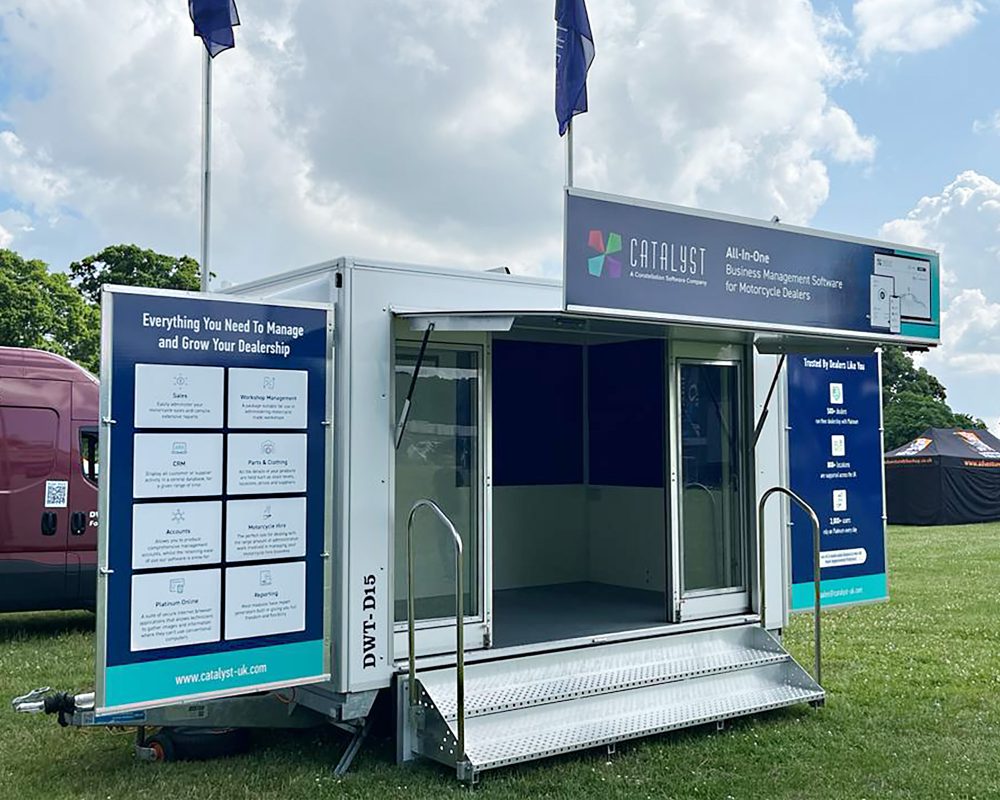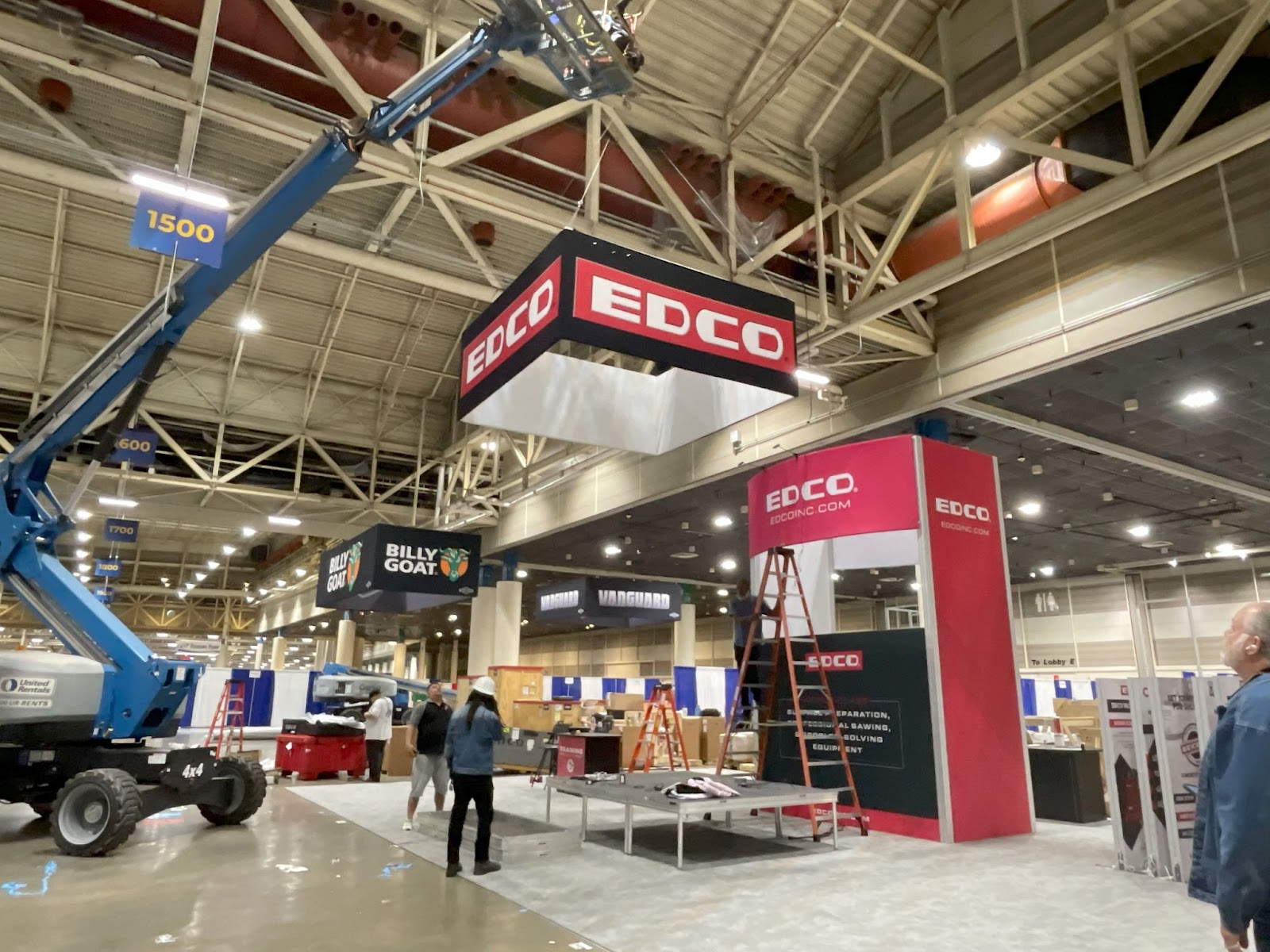
Show-site supervision covers the period after install is finished and the show is running, when a project manager or supervisor stays on the floor to handle problems, coordinate with the general contractor, and keep the booth presentable through every open day.
For a multi-day event like the AUSA Space and Missile Defense Symposium at the Von Braun Center, that window can run several days, during which a supervisor is often the only person on-site with full context on the booth's build and its vendor relationships.
A smaller single-day event at Cummings Research Park or the Jackson Center rarely needs the same level of dedicated supervision, since the shorter window and simpler booth setup usually leave less room for problems to compound before the day ends.
What a supervisor is actually responsible for during a show
- First response when something in the booth breaks or fails
- Daily coordination with the general contractor's floor manager
- Tracking any changes made on-site against the original plan
- Managing the closeout walkthrough before dismantle starts
What a site supervisor does once doors open
Supervision is largely reactive by nature: monitoring the booth for wear, addressing lighting or AV issues as they come up, and making sure cleaning and restocking happen on schedule each morning before the floor opens to attendees.
A supervisor also acts as the single point of contact for the exhibitor's own staff working the booth, so questions about the space or its equipment go to one person rather than getting lost among several vendors.
Handling floor problems in real time
The most common issues during a show are small but visible: a graphic panel coming loose, a monitor losing signal, or furniture needing adjustment. A supervisor who already knows the booth's build can usually resolve these directly rather than escalating every issue to the general contractor.
Problems that do require GC involvement, like an electrical fault, move faster when the supervisor already has a working relationship with the floor manager from install.
A supervisor also fields questions from booth staff who were not part of the original build, translating what the exhibit can and cannot do on the fly rather than leaving that staff to guess during a live conversation with a visitor.
Coordinating with GC and venue staff during the show
Daily check-ins with the general contractor's floor manager keep a supervisor informed about anything affecting the whole floor, from schedule changes to safety notices, that would not otherwise reach an individual booth directly.
That relationship also matters if a booth needs an on-the-fly service order, such as additional power or a cleaning request, since those requests route through the GC regardless of who is supervising the booth itself.
- Daily check-in with the floor manager
- Route service requests through the GC
- Track any safety notices affecting the booth
Closeout walkthrough before dismantle starts
Before strike begins, a supervisor typically walks the booth to document its condition, confirm nothing is missing, and flag any damage that occurred during the show. That record matters if there is a dispute later about wear or missing components.
This walkthrough also gives the dismantle crew a clear picture of what needs special handling, such as fragile graphics or equipment that needs to be packed separately from structural components.
Staffing coverage across a multi-day symposium
A show that runs several consecutive days, as the annual symposium typically does, usually needs more than one person covering supervision across the full open-hours window, particularly if the booth stays staffed from before doors open until after the floor clears each evening.
Splitting coverage between two people who overlap during the busiest midday hours, rather than one person working the entire day alone, keeps response times consistent and gives each supervisor a real break during a demanding week.
Frequently asked questions about show-site supervision
Does a small booth need on-site supervision?
Not always; smaller, simpler booths can often be managed by exhibitor staff without a dedicated supervisor.
What problems come up most often during a show?
Minor issues like loose graphics, AV signal problems, or furniture adjustments are the most common.
Who does a show-site supervisor report to?
Typically the exhibitor's own event lead, while coordinating day-to-day with the general contractor's floor manager.
Does supervision cover the full run of a multi-day show?
Yes, supervision typically continues through every open day until dismantle begins.
How is supervision staffed across a long symposium week?
Often with two people overlapping during peak midday hours rather than one person covering the entire day alone, which keeps response times steady.