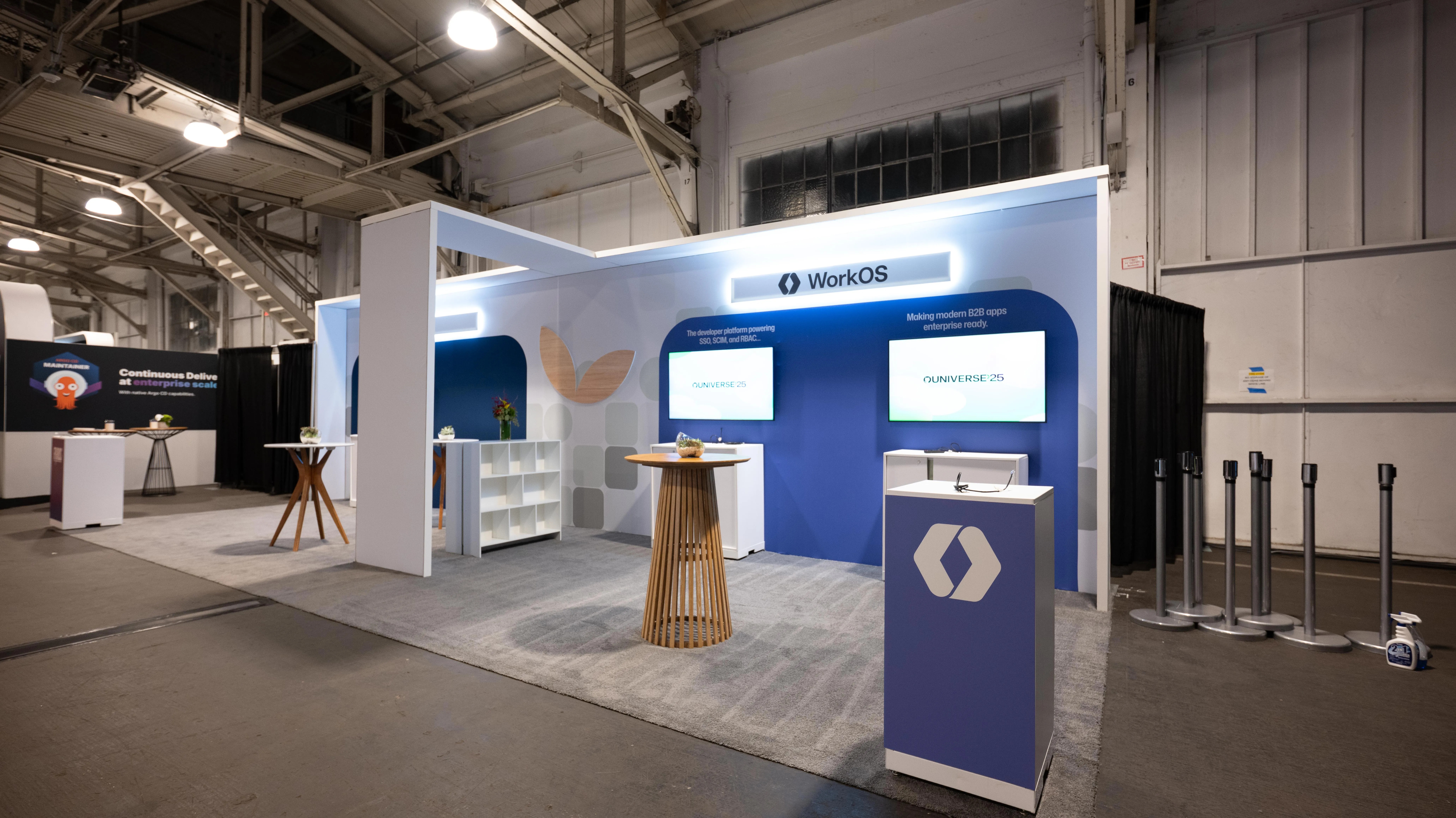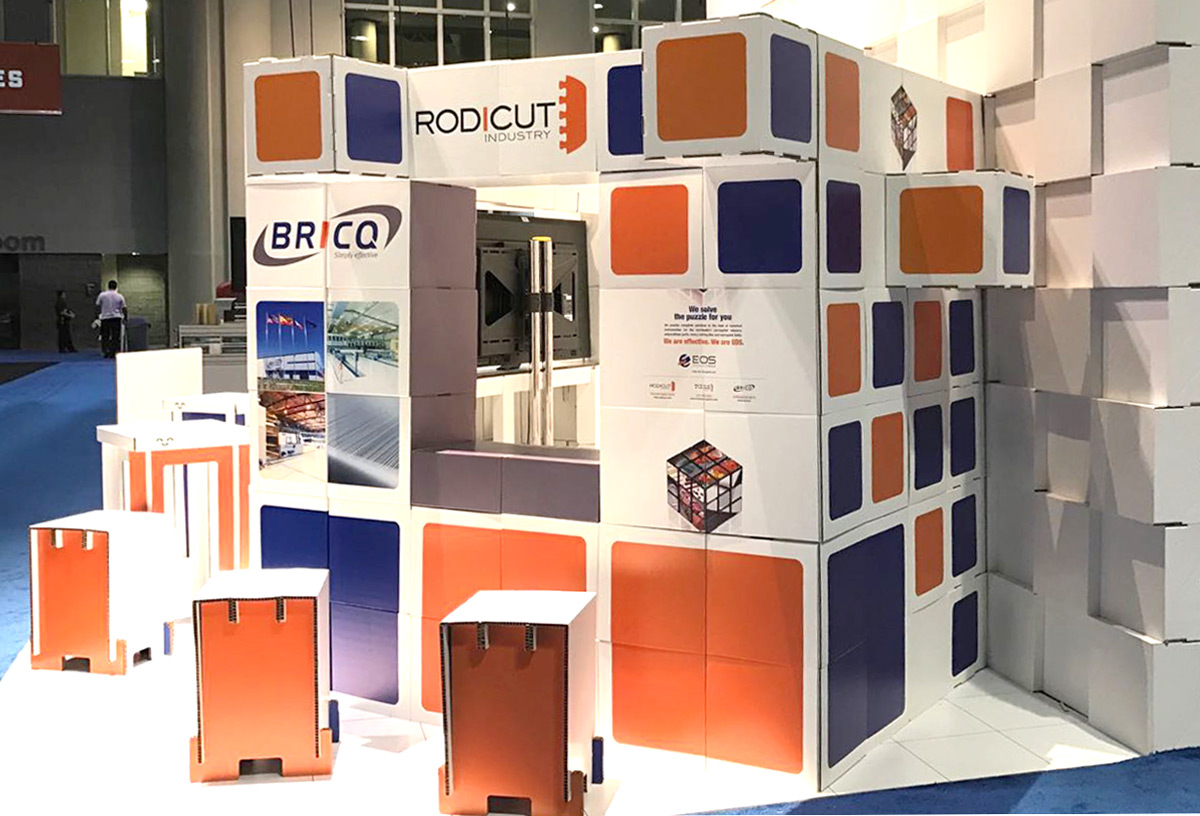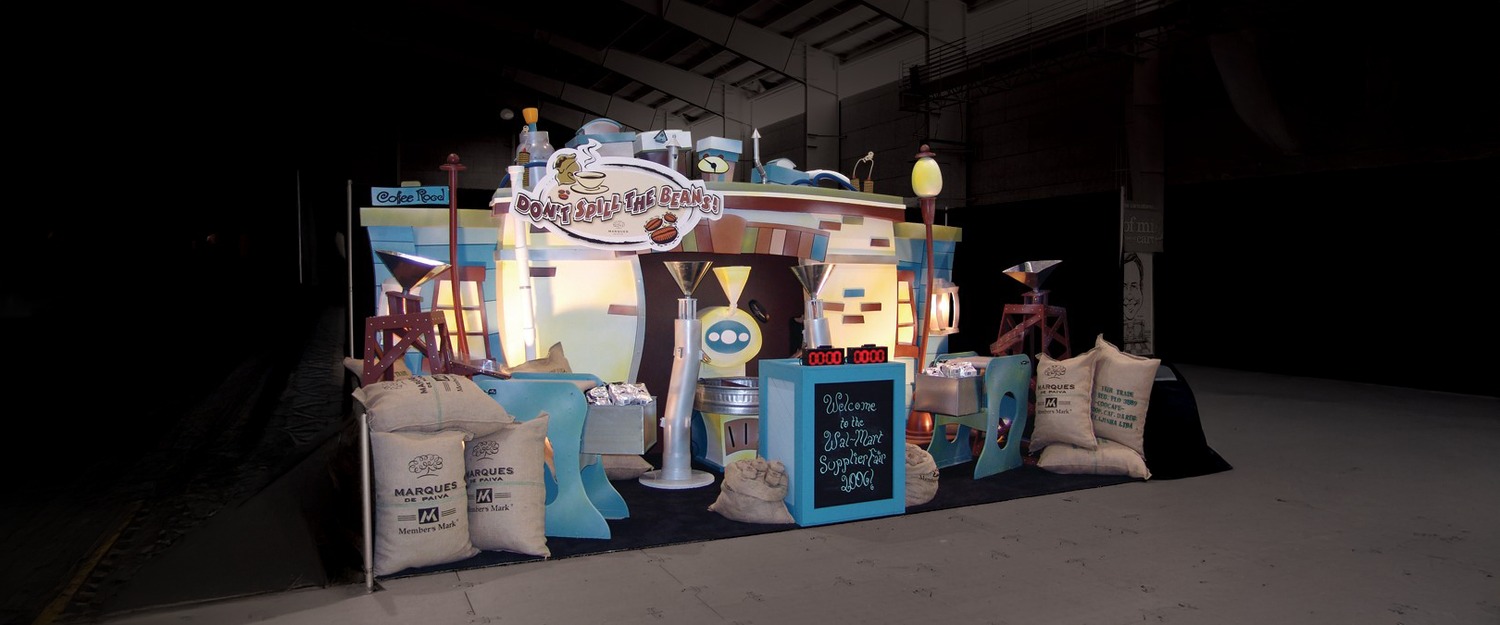
Fabrication is the physical build step between an approved design and a booth that can actually ship to Huntsville: cutting and finishing structural elements, mounting graphics, wiring lighting, and test-fitting components before anything leaves the shop.
Because the market's largest show, the AUSA Space and Missile Defense Symposium, runs on a fixed August date, fabrication schedules for exhibitors who show there have to work backward from a freight deadline that does not move, which puts real pressure on how much design revision can happen late in the process.
A build shop working for a returning defense or aerospace exhibitor also has to account for the fact that the same exhibit may need to travel to other regional shows across the year, not only the Huntsville date, which affects how durable the fabrication needs to be from the start.
What the fabrication stage has to get right
- Structural components that survive repeated freight handling
- Finish quality that holds up under show lighting
- Test-fit before anything ships
- Lead time set against a fixed show date
From drawing to build shop
Once a design is approved, the build shop works from construction drawings that specify materials, dimensions, and finish details rather than the renderings the exhibitor originally saw. That translation step is where dimensional issues or material substitutions usually surface, before they become a problem on the show floor.
A build shop that flags a conflict at this stage, rather than during test-fit later, saves the schedule real time.
Materials suited to repeated freight moves
A booth that only has to survive one trip looks different from one that will travel to multiple shows across a year. Fabrication decisions about panel construction, corner protection, and hardware durability should reflect how many times the piece will actually be crated and moved.
For exhibitors returning to Huntsville annually for the same symposium, that durability question changes the economics of the build meaningfully.
Quality control before it ships
A full test-fit assembly in the shop, rather than individual component checks alone, is the step that catches problems like a graphic panel that is a quarter-inch off or a lighting run that does not reach its fixture. Skipping that step to save a day of shop time tends to cost more time on the show floor.
Photographs from the test-fit also give the install crew a clear reference for how the booth should look once it is on-site.
- Full test-fit assembly, not component checks alone
- Photo reference for the install crew
- Final punch list before crating
Lead time against the Huntsville show calendar
Working backward from a fixed August date means fabrication lead time has to account for the advance warehouse deadline as well as the shop's own build schedule, rather than counting only toward the show's opening day. A design change requested too close to that freight cutoff can force a shop to choose between quality and schedule.
Booking shop time early, even before creative is fully locked, tends to protect the schedule better than waiting for a perfect design before reserving build capacity.
Handling repairs during show week itself
Even a well-built exhibit can arrive at the Von Braun Center with a piece of hardware loosened in transit or a graphic panel scuffed during freight handling, which is why keeping a small kit of touch-up materials and spare fasteners with the booth is worth the minor extra weight.
For exhibitors without an in-house repair capability, confirming ahead of time whether the fabrication shop or a local Huntsville vendor can respond quickly during move-in gives a fallback option if a repair is beyond what the on-site crew can handle.
Frequently asked questions about exhibit fabrication
How much lead time does fabrication need before a Huntsville show?
Enough to build, test-fit, and still hit the advance warehouse freight cutoff, which typically means booking shop time well before the show's target dates.
What materials hold up best for repeated shows?
Panel systems and hardware rated for multiple crating cycles, chosen based on how many times the booth will actually travel.
What happens if a design changes mid-build?
It can extend the schedule or force a tradeoff with the freight deadline, so late changes should go through the build shop before they are approved.
Is a full test-fit really necessary?
Yes. It is the step most likely to catch a sizing or lighting issue before it becomes a problem on the actual show floor.
Does fabrication need to account for shows beyond Huntsville?
Yes, if the exhibit is expected to travel to other regional events, since that changes how durable the construction needs to be from the start.