Retail and ecommerce events in Huntsville rarely look like a traditional trade show. A brand launching a pop-up at Bridge Street Town Centre, a maker showcasing product at a MidCity District weekend market, or an online seller running a one-day sample sale all fall under retail and ecommerce event services without ever booking exhibit hall space.
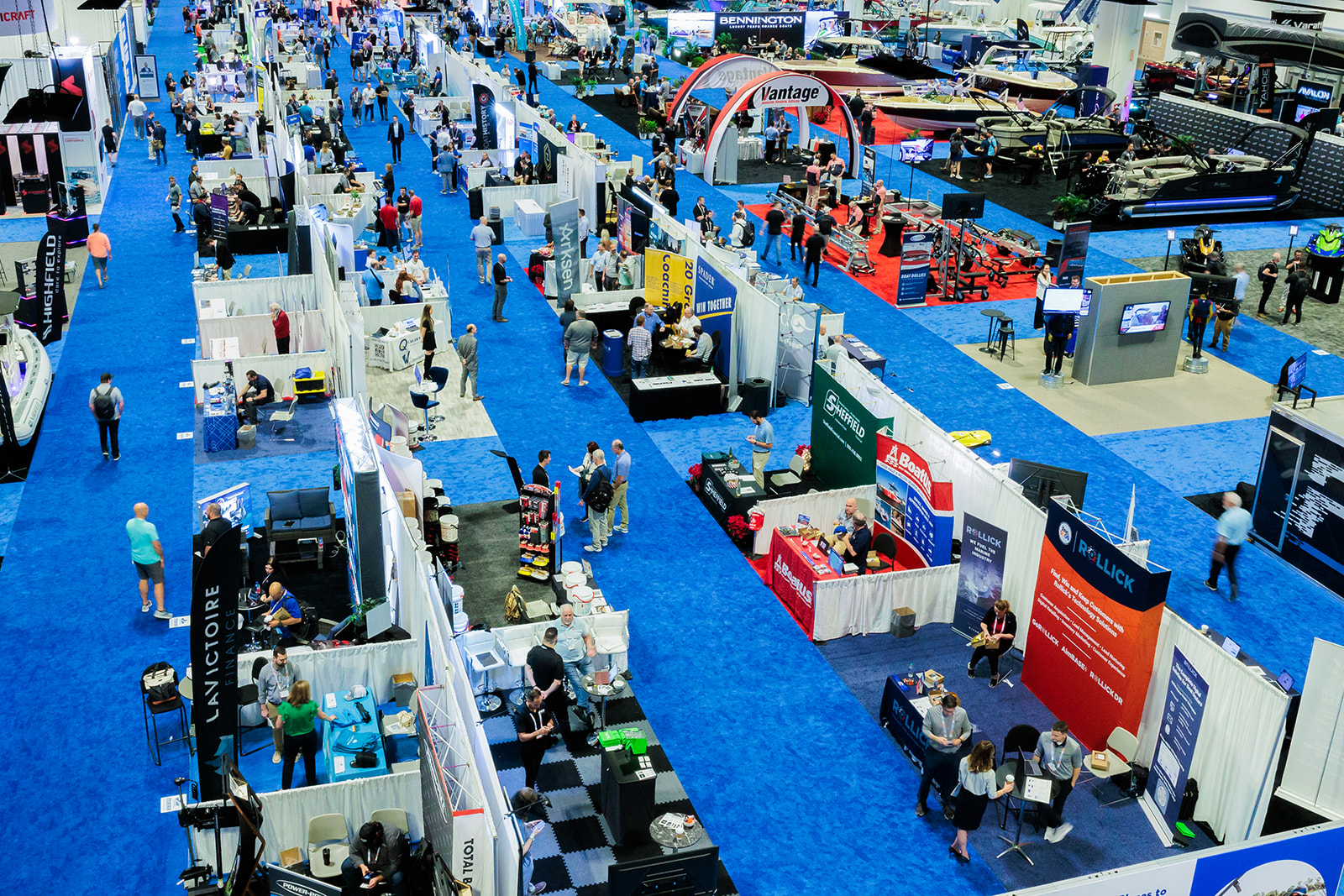
That setting changes the priorities: visual merchandising and a fast, walk-up customer interaction matter more than the freight, rigging, and dock logistics that dominate a Von Braun Center trade show booth.
What a retail event needs instead of a trade show plan
- A display built for browsing customers, not scheduled buyer meetings
- Point-of-sale setup if the event includes direct purchases
- Visual merchandising that works in a retail-district setting
- A load-in plan sized for a storefront or plaza, not a loading dock
A different setting than the convention floor
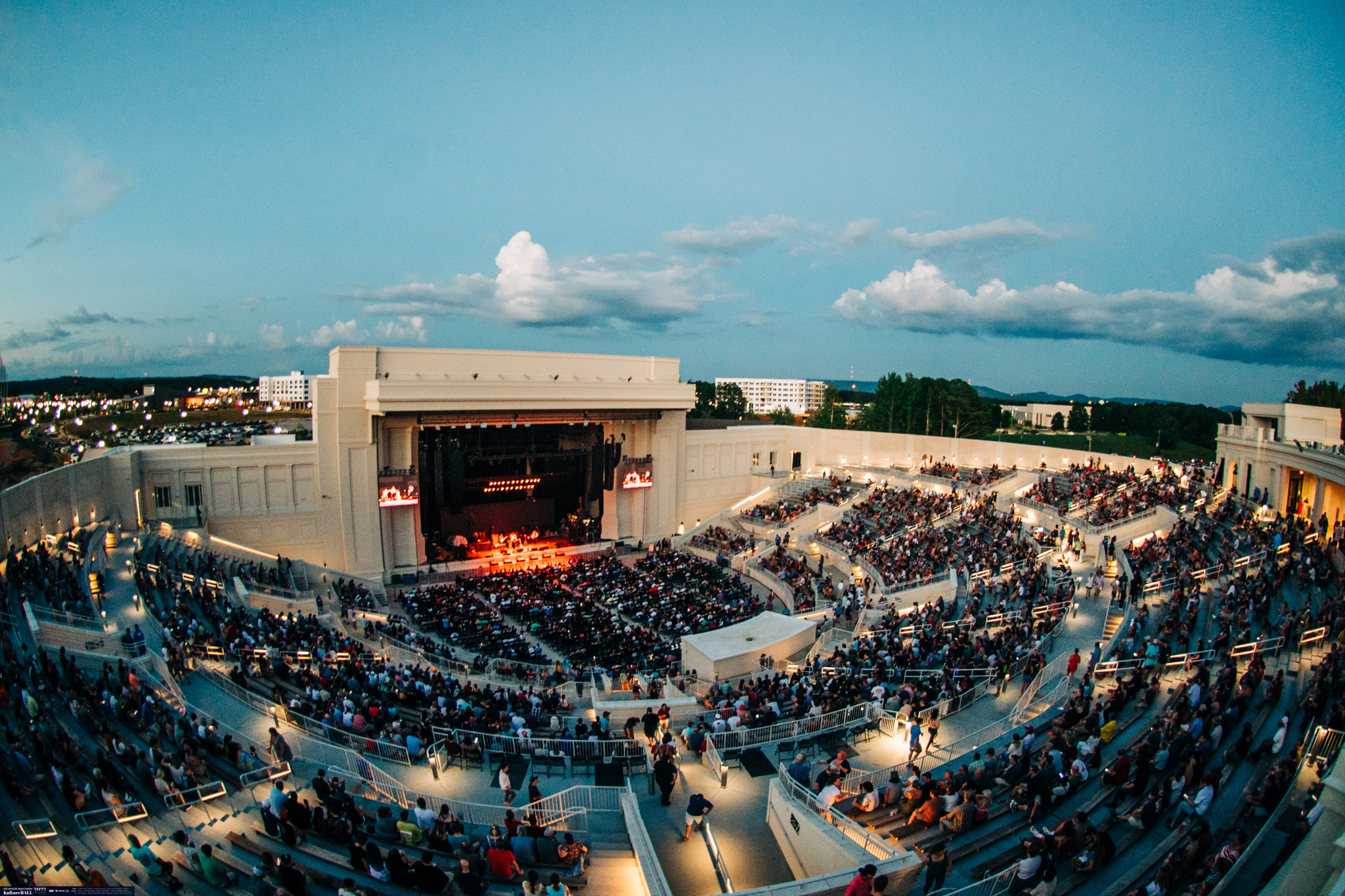
Bridge Street Town Centre and the MidCity District both host retail-adjacent events in outdoor plazas, storefront-adjacent spaces, or repurposed retail units, none of which come with the loading dock, rigging points, or labor call structure of the Von Braun Center.
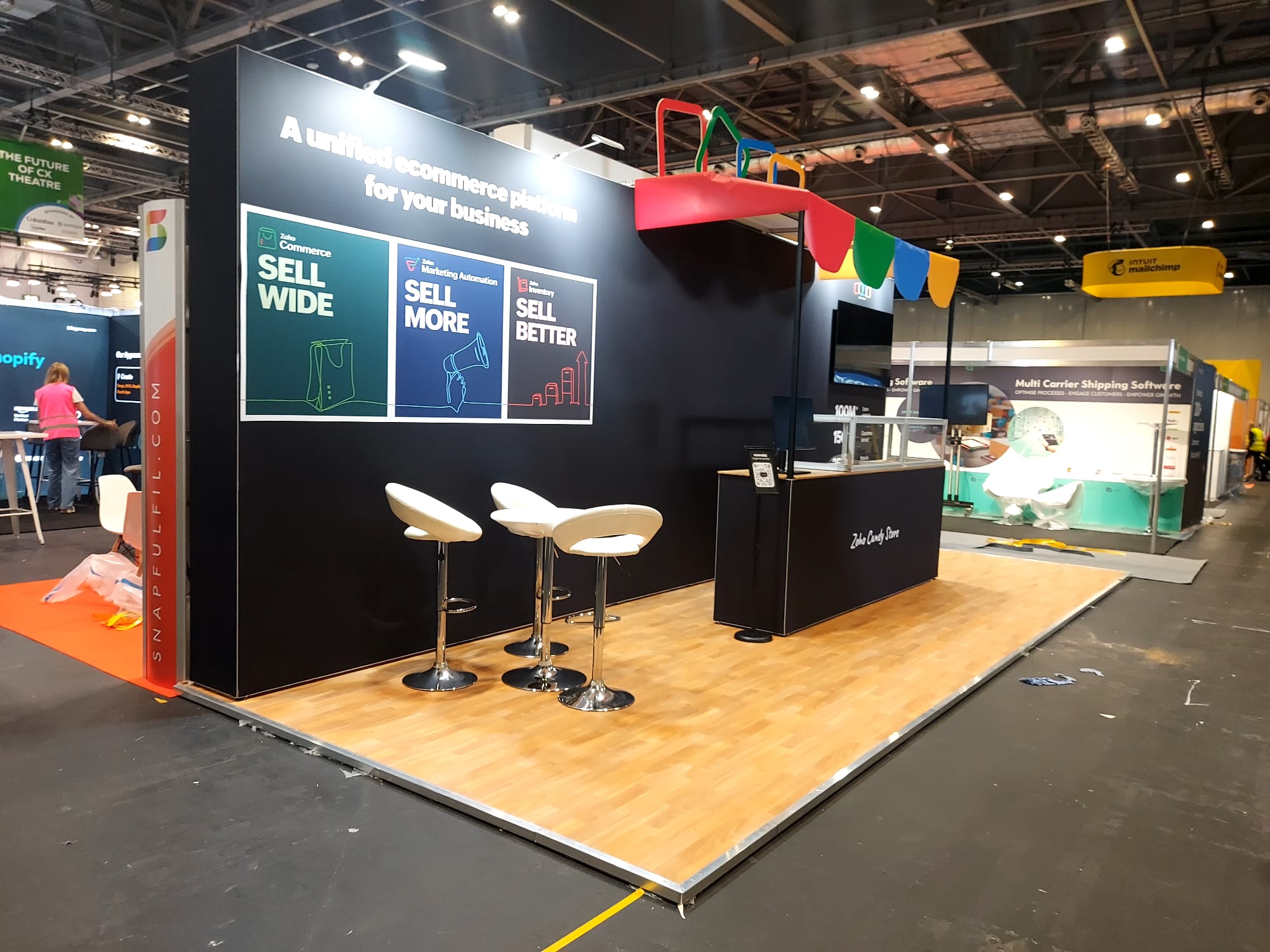
Planning a retail event like a scaled-down trade show booth usually overbuilds for the setting; the format works better designed from scratch around a storefront or plaza footprint.
Visual merchandising over structural build
Because retail-district foot traffic is already there to browse and shop, the display's job is to draw a passerby's eye and communicate a product quickly, which favors strong visual merchandising over a large structural footprint.
Simple fixtures, clear product arrangement, and signage readable from a distance tend to outperform an elaborate build in this setting.
Point-of-sale and transaction flow
Unlike most trade show booths, a retail or ecommerce event often includes direct, on-the-spot purchases, which means the display needs a functional point-of-sale setup and a traffic flow that does not create a bottleneck at checkout.
Planning the checkout location as part of the initial layout, rather than adding it in after the display is designed, keeps the flow working during a busy weekend.
- Position checkout away from the main browsing flow
- Plan for card and mobile payment connectivity on-site
- Keep a simple restock process behind the display
Weather and outdoor considerations
Outdoor plaza events at Bridge Street or MidCity carry weather exposure that an indoor exhibit hall never does, so a canopy, weighted fixtures, and a rain contingency plan need to be part of the setup rather than an afterthought.
Checking the specific district's rules on outdoor structures and permitted footprint before the event avoids a setup that does not comply with the property's own guidelines.
Staffing for a walk-up audience
Retail-district foot traffic moves faster and less predictably than a scheduled trade show buyer meeting, so staffing needs to prioritize quick, approachable interactions over a longer, structured pitch.
A team comfortable with high-volume, short conversations tends to perform better at this kind of event than one trained primarily for a technical trade show floor.
Ecommerce brands testing a physical presence
An online-only brand running its first physical pop-up in Huntsville often underestimates how different a walk-up interaction feels compared to a digital storefront, where product photography and copy do most of the work that a staffer now has to do in person.
Treating the pop-up as a chance to learn how customers react in person, beyond its role as a sales channel, tends to produce more useful feedback for the brand's next event.
Frequently asked questions about retail and ecommerce event services in Huntsville
Do Bridge Street Town Centre and MidCity events use trade show booth structures?
Not usually; these settings favor a pop-up or storefront-style display designed for a plaza or retail-adjacent space rather than a convention-hall booth format.
Is point-of-sale setup needed for a retail event display?
Often yes, since these events frequently include direct purchases, so planning checkout location and payment connectivity into the layout matters more than at a typical trade show booth.
How should an outdoor retail-district event plan for weather?
With a canopy, weighted fixtures, and a rain contingency plan built into the setup, since outdoor plaza events carry exposure an indoor exhibit hall does not have.
What kind of staffing works best for a retail-district event?
A team comfortable with quick, high-volume walk-up interactions, since retail foot traffic moves faster and less predictably than a scheduled trade show buyer meeting.
Do retail-district properties have their own rules for outdoor displays?
Yes, checking the specific property's rules on structure size and footprint before the event helps avoid a setup that does not comply with the district's own guidelines.