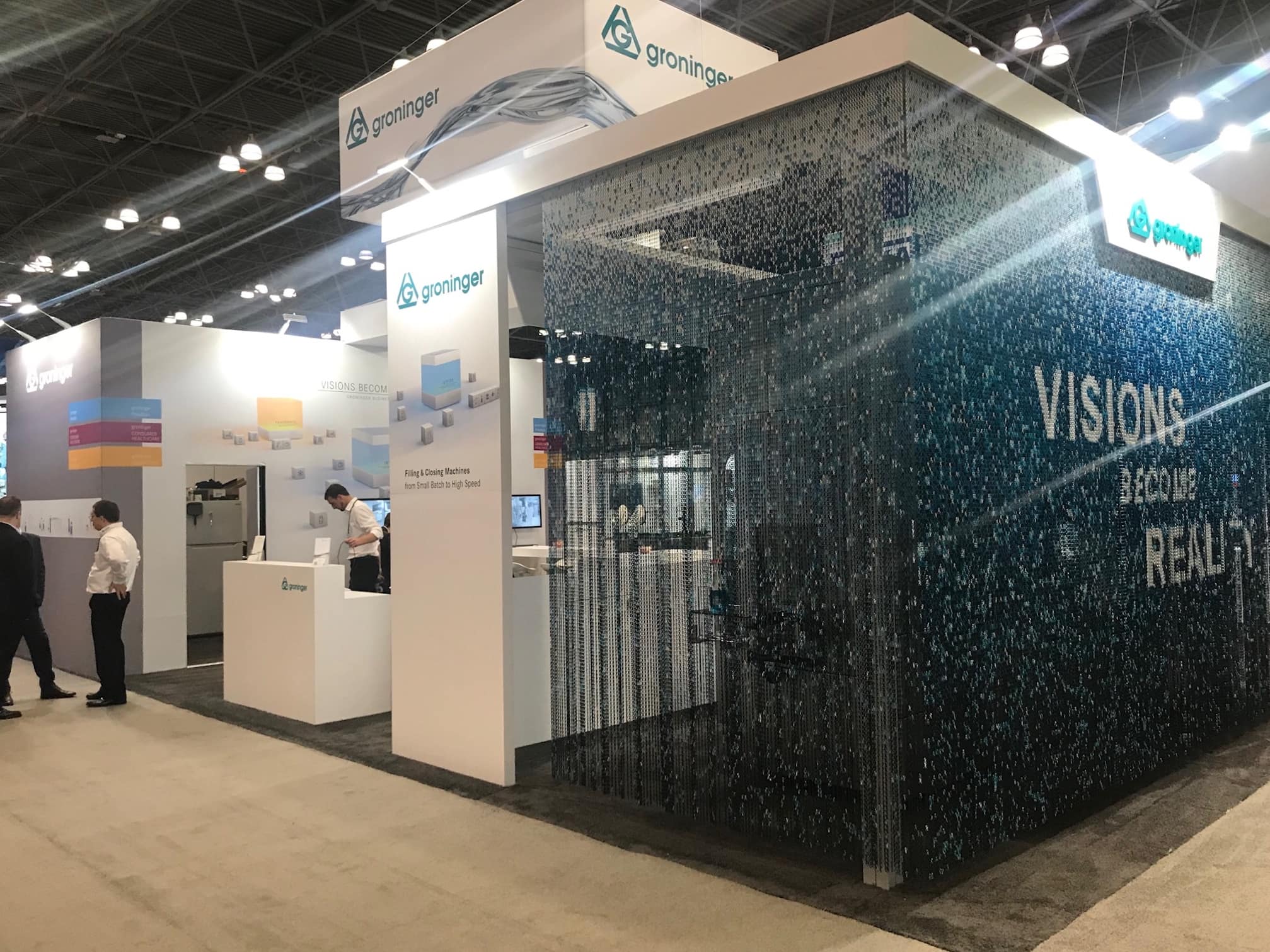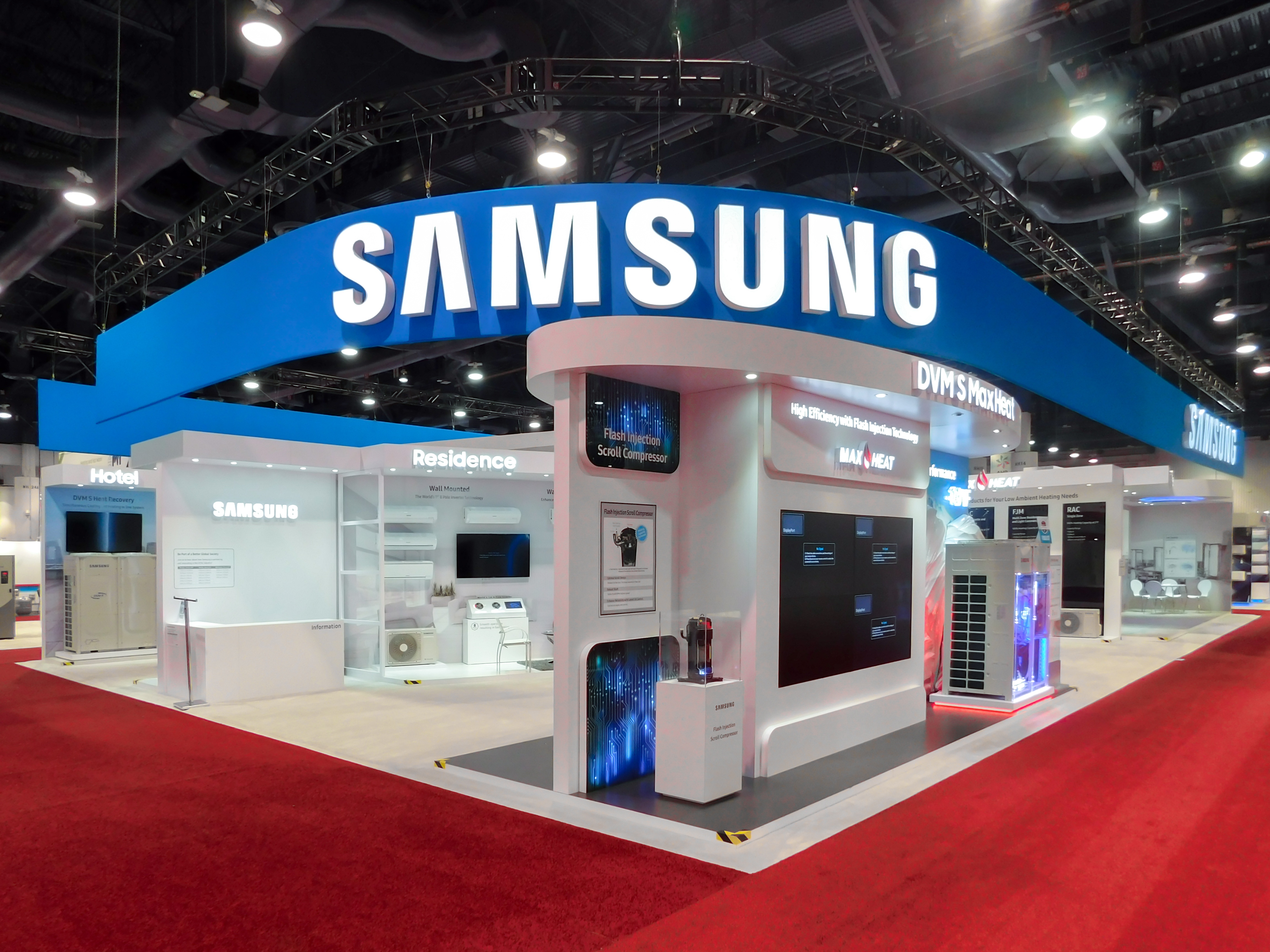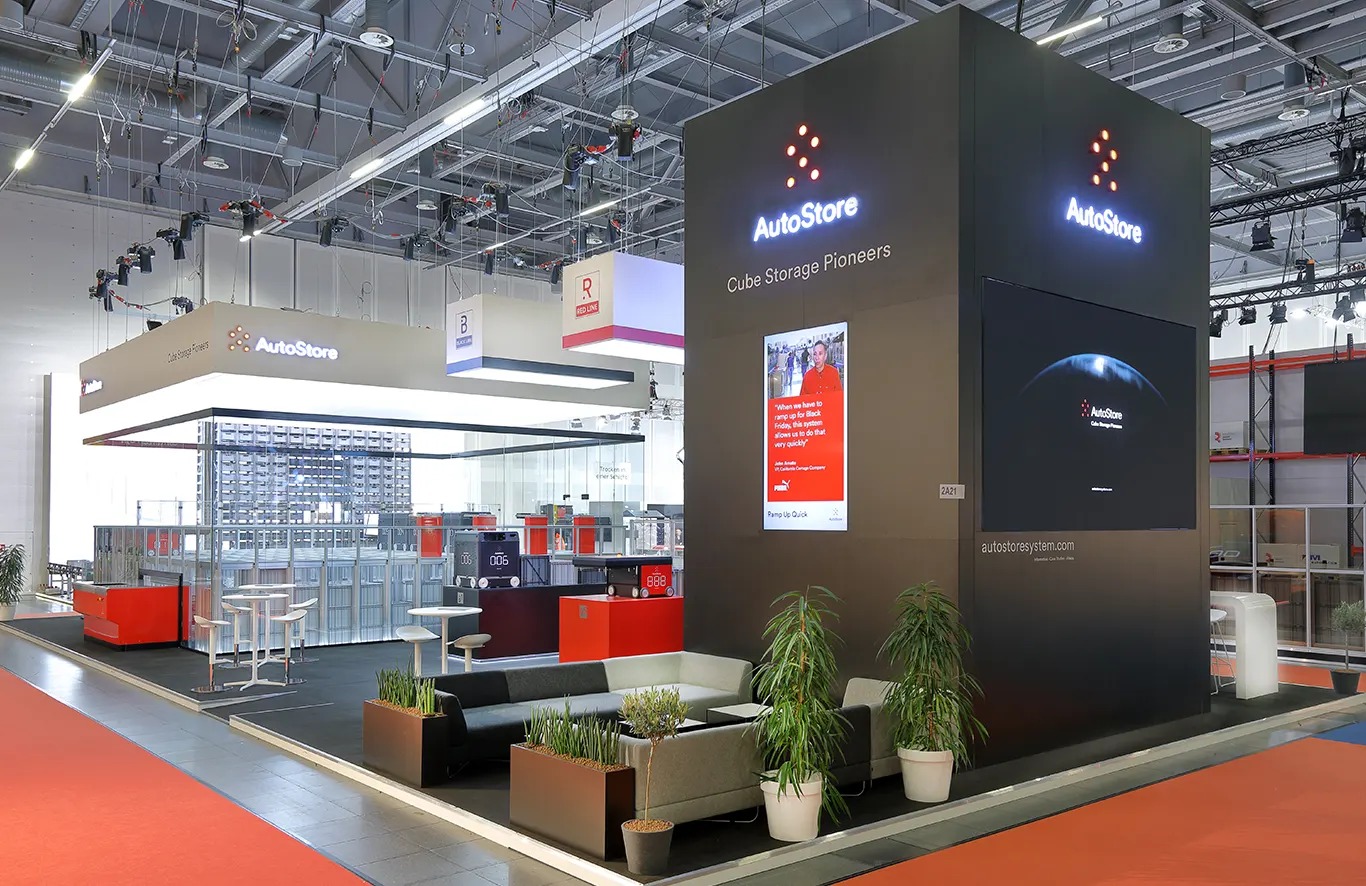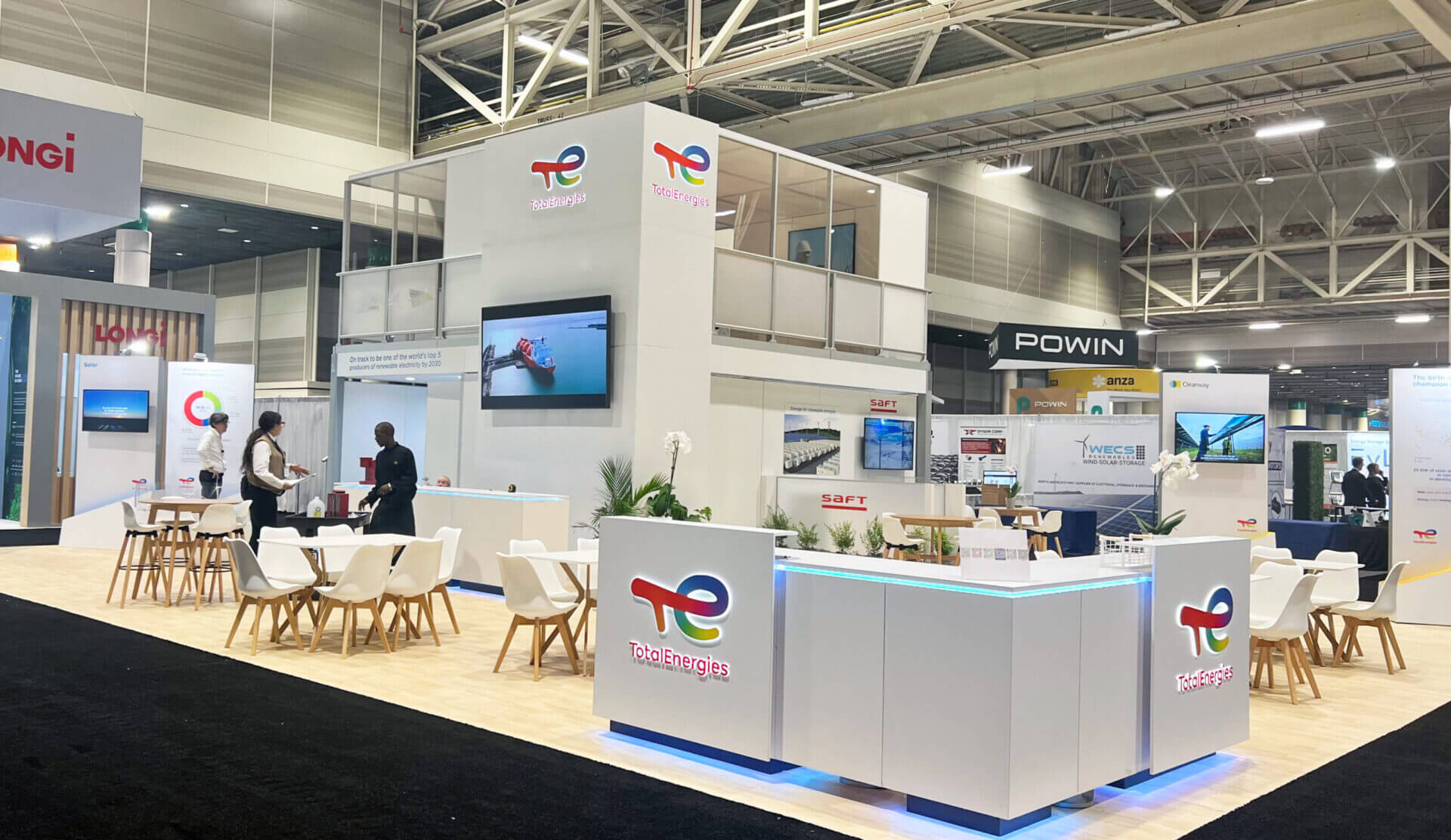
Huntsville's show calendar runs from the large annual AUSA symposium down to smaller recruiting and industry days at venues like Cummings Research Park and the Jackson Center, and few exhibitors get the same booth footprint at every one of them.
A modular system is built from a set of reusable structural and graphic components that reconfigure into different sizes and shapes, which is what lets one exhibit serve several different events across a year instead of one.
That flexibility matters most for exhibitors whose Huntsville presence is not limited to a single flagship show, since a company recruiting at Cummings Research Park one month and exhibiting at the symposium the next needs a system that adapts rather than two separate builds sitting idle the rest of the year.
What makes a modular system worth the investment
- Range of footprints the components can actually reconfigure into
- How much of the graphic package can be reused across sizes
- Case and crate weight for repeated freight moves
- Component durability over several years of shows
What makes a system modular
A true modular system is built from standardized frame components, connectors, and graphic panels that can be rearranged rather than a fixed structure with a few interchangeable parts. That distinction matters because it determines how much reconfiguration is actually possible without ordering new hardware.
Some systems are modular only in a limited sense, offering one or two alternate layouts. Others draw from a full kit of parts that supports a wide range of footprints from a single inventory, which is the version worth paying for if the show calendar actually varies.
Reconfiguring for different footprints
Moving from a ten-by-ten inline booth to a twenty-by-twenty island typically means adding structural components and graphic panels rather than starting over, provided the original system was designed with that range in mind from the start.
Exhibitors who know they will face different footprints across their Huntsville show calendar should confirm reconfiguration range before purchase, not after the first time a show assigns an unexpected booth size.
Budget math over several shows
A modular system typically costs more upfront than a single rental but less over several years than repeated rental fees or a fully custom build for every show. The math favors modular most clearly for exhibitors attending three or more shows a year with varying footprints.
Graphic panels that can be swapped without replacing structural components also reduce the cost of refreshing a booth's messaging between shows.
What to check before buying into a kit
Component weight and case count affect freight cost every time the system ships, so a modular kit that reconfigures well but weighs significantly more than a comparable custom build can erase some of its cost advantage over time.
It is worth confirming how the manufacturer supports replacement parts, since a modular system loses its value quickly if a damaged connector or panel cannot be replaced without buying an entirely new component set.
- Confirm case weight against typical freight costs
- Ask about replacement part availability
- Test the full footprint range before committing
Storage and tracking for a larger component inventory
A modular system inherently has more individual pieces than a fixed custom build, which makes an organized storage and labeling system more important, not less. Losing track of a single connector type can hold up an install while a replacement part is sourced.
Numbering cases and keeping an updated inventory list of exactly which components live in which case saves real time when a crew is packing for a show with a different footprint than the last one, since they can pull only what that configuration needs.
Frequently asked questions about modular exhibit systems
How many configurations does a modular system typically support?
It varies by manufacturer, but a well-built kit should reconfigure across several common footprints from ten-by-ten up to larger islands.
Does a modular system work for both a 10x10 and a 20x20 booth?
Yes, if it was designed with that range in mind; some lower-cost systems only support one or two layouts.
What's the tradeoff between modular and custom?
Modular trades some brand-specific design control for lower long-term cost across multiple shows with different footprints.
How long does a modular system typically last?
With reasonable care and storage, structural components can last several years across many shows before needing replacement.
How should components be tracked between shows?
With a numbered case system and an updated inventory list so a crew can pull exactly what a given footprint needs without guessing.