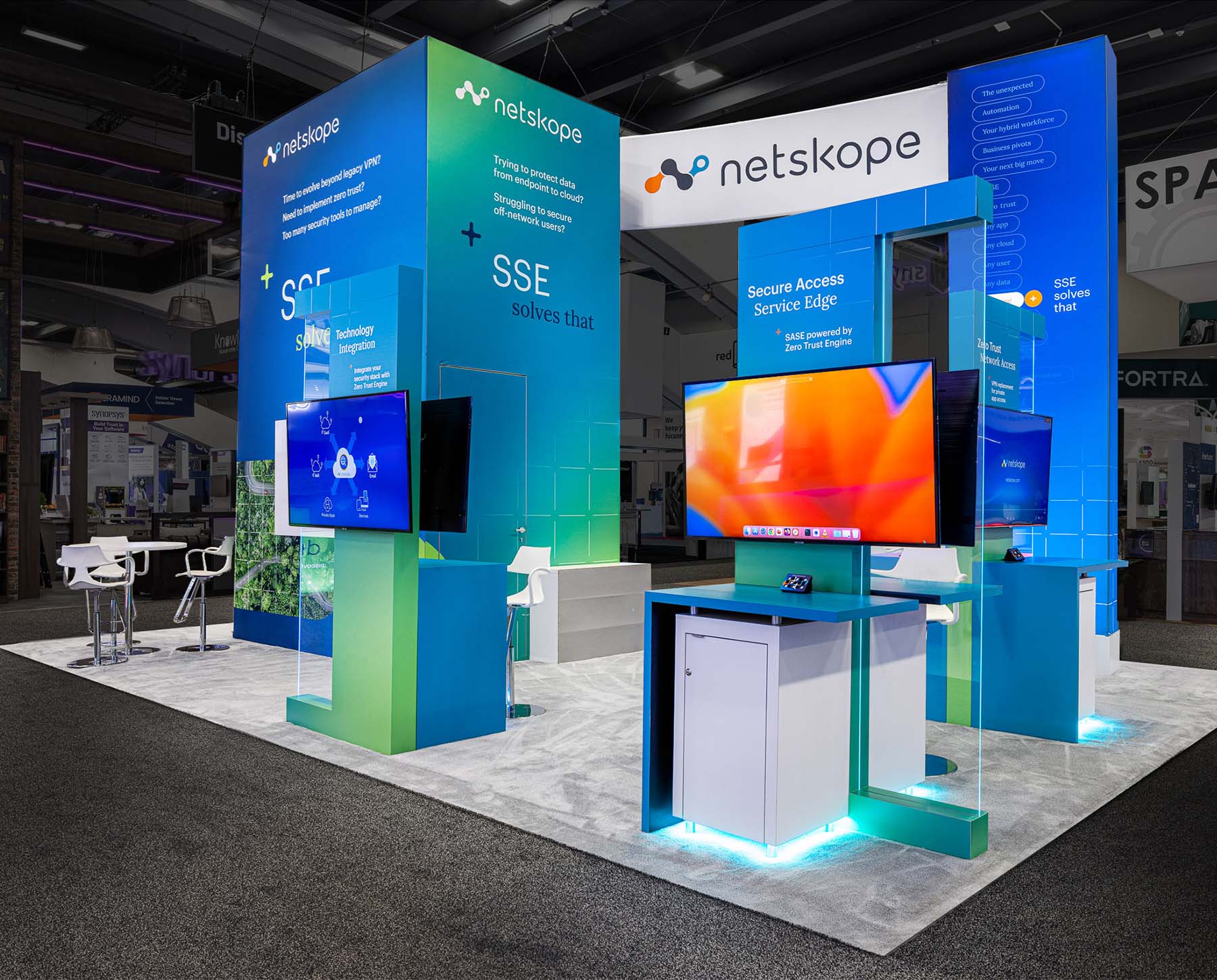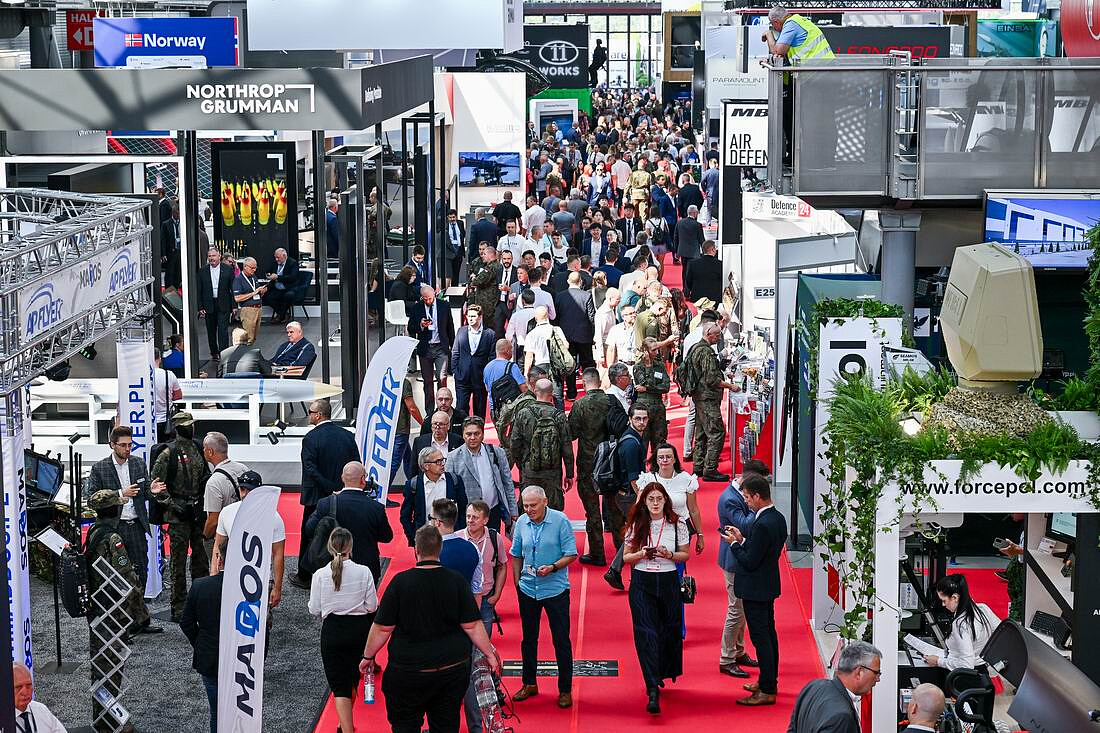
Redstone Arsenal, NASA Marshall Space Flight Center, and the roughly 300 companies inside Cummings Research Park pull a deep bench of industrial suppliers into Huntsville's show calendar, from precision machining vendors to materials-handling and testing-equipment companies serving the aerospace-defense base.
Industrial trade show services scale up from a standard exhibit booth in ways most other categories on this site do not: heavier equipment, crane or rigging access, and floor-load engineering that has to be confirmed before a single piece of machinery is scheduled to arrive.
What separates an industrial exhibit from a standard booth
- Crane or rigging access for equipment too heavy for a standard dock cart
- Engineered floor-load rating for the specific hall
- Safety zone planning around any moving or operating equipment
- A freight schedule sized for oversized, not standard, shipments
The supply chain behind the show floor
Much of Huntsville's industrial trade show activity traces back to the same supply chain that serves Redstone Arsenal's prime contractors and NASA Marshall's programs: precision machining, materials testing, tooling, and industrial automation companies that rarely get much attention outside this specific market.
A booth built for a general industrial audience elsewhere often needs adjustment for Huntsville's buyers, who tend to ask more pointed questions about tolerances, certifications, and program-specific compliance than a general manufacturing crowd.
Rigging and crane access
Equipment too heavy for a standard dock cart needs rigging or crane support arranged directly with the venue well ahead of the show, since not every Huntsville hall has the same overhead clearance or floor anchor points to support heavy lifts.
Confirming rigging capacity as part of the initial floor plan submission, rather than after the equipment has already been built for the booth, avoids discovering a mismatch too late to adjust.
- Confirm overhead clearance and anchor points before design
- Schedule rigging crews separately from standard exhibitor labor
- Submit equipment weight specs with the floor plan
Floor load engineering
Heavy industrial equipment concentrates weight at a small number of contact points, which can exceed a standard exhibit hall's floor rating even when the total equipment weight seems modest, so an engineered load calculation matters more here than a general estimate.
Working with the venue's engineering contact to confirm the rating for the specific hall, rather than relying on a generic published figure, is the safer approach for anything unusually heavy or concentrated.
Safety zones around operating equipment
Any equipment demonstration involving moving parts needs a clearly defined and physically barriered safety zone, separate from the general booth traffic area, along with a trained attendant present whenever the equipment is running.
Show management typically reviews these plans as part of the floor plan approval process, so submitting the safety zone layout alongside the general booth design keeps the review from becoming a separate, delayed step.
Freight built for oversized shipments
Industrial exhibits often ship as oversized or specialized freight rather than standard crates, which changes the transportation timeline and the dock scheduling needed at the Von Braun Center or wherever the show is held.
Building extra buffer time into the freight schedule, particularly for equipment coming from out of state, keeps a delayed truck from threatening the booth's readiness by opening day.
Certification paperwork for the floor
Buyers at Huntsville's industrial shows frequently ask for certification documentation on the spot, whether that covers material specifications, testing standards, or a program-specific qualification, so having that paperwork ready at the booth matters as much as the equipment itself.
A staffer unable to produce that documentation quickly can lose a serious conversation to a competitor exhibit that had it ready, which is a smaller detail than the rigging plan but just as often the deciding factor in a technical buyer's first impression.
Frequently asked questions about industrial trade show services in Huntsville
Does every Huntsville venue support crane or rigging access for heavy equipment?
Not equally; overhead clearance and floor anchor points vary by hall, so rigging capacity should be confirmed with the venue as part of the initial floor plan submission.
How is floor load rating determined for heavy industrial equipment?
Through an engineered calculation based on the equipment's actual contact points and weight distribution, confirmed with the venue's engineering contact rather than a generic published figure.
What is required for a live equipment demonstration on the show floor?
A physically barriered safety zone separate from general booth traffic and a trained attendant present whenever the equipment is operating, both typically reviewed as part of floor plan approval.
Does industrial equipment ship differently than a standard trade show booth?
Often yes, as oversized or specialized freight rather than standard crates, which changes the transportation timeline and requires extra dock scheduling buffer.
Who makes up the typical buyer audience at Huntsville industrial shows?
Largely buyers tied to Redstone Arsenal's supply chain and NASA Marshall's programs, who tend to ask more specific questions about tolerances and certifications than a general manufacturing audience.