Huntsville's exhibitor base is unusual for a city its size because Cummings Research Park, the second-largest research park in the country, sits a few miles from the downtown exhibit halls and fills trade show floors with aerospace and defense contractors who bring dense, technical booth content.
That combination, a compact exhibit hall footprint and a heavier-than-average booth program, means aisle planning and dock scheduling carry more weight in Huntsville than they would in a market with a bigger, more forgiving hall.
What drives a trade show floor in Huntsville
- Dock scheduling against a shared loading corridor
- Aisle and booth-number accuracy before freight arrives
- Coordination with the show's general contractor
- Teardown speed on a fixed move-out window
The exhibit floor is a scheduling problem before it is a design problem
Every trade show floor in Huntsville runs on a dock window shared with whatever else is booked in the building that week, so freight arrival times, forklift access, and even parking for delivery trucks need to be locked with the venue and the general contractor before booth design gets finalized.
A booth that looks right on paper can still miss its slot if the crate shows up an hour after the dock closes, which is why trade show services in this market lean on a tight, confirmed schedule rather than a rough estimate.
- Confirm booth number and aisle position against the official floor plan, not an early draft
- Lock delivery windows with the general contractor, not only the venue
- Label every crate and case with booth number before it leaves the shop
Huntsville's exhibitor mix skews technical
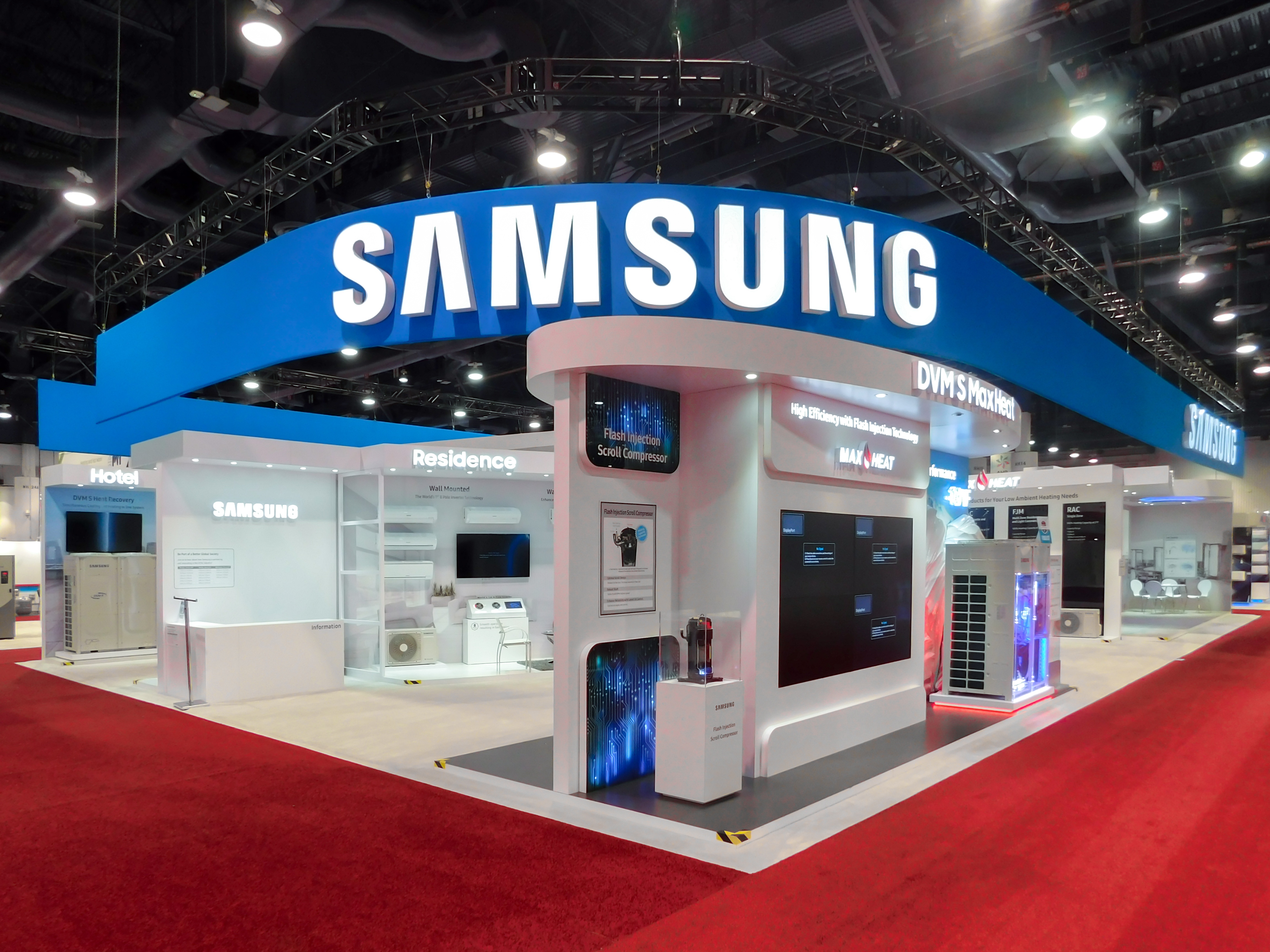
With Redstone Arsenal, NASA Marshall Space Flight Center, and a dense cluster of defense and aerospace contractors headquartered in Cummings Research Park, many local trade shows carry more technical signage, monitors, and demo hardware per booth than a general consumer show would.
That raises the bar on power drops, cable management, and rigging approvals, all of which need to be ordered through the show's utility order form well before move-in rather than requested on the floor.
Move-in and move-out run on tighter windows than planners expect
Huntsville's exhibit halls are efficient but not oversized, which means move-in crews often work in a compressed window rather than a leisurely multi-day build, and move-out at the close of the show can be even tighter if another event follows immediately behind it.
Booking installation and dismantle labor with a buffer, rather than the bare minimum hours, is the single biggest lever for avoiding overtime charges on the back end.
Working with the show's general contractor
Every trade show has an official general contractor controlling freight, labor jurisdiction, and booth carpet, and Huntsville is a right-to-work market, so labor rules here tend to be venue-managed rather than union-mandated, but that does not remove the need to order services through the correct channel and deadline.
Missing an early-bird order deadline on drayage or electrical is the most common way a Huntsville trade show budget grows without anyone intending it to.
Exhibitors traveling into Huntsville for a show should also plan freight around Huntsville International Airport and the I-565 corridor if drayage is coming from out of state, since local trucking windows are easier to hit when the inbound schedule already accounts for the last leg into the venue's dock.
Frequently asked questions about trade show services in Huntsville
Is Huntsville a union labor market for trade shows?
Alabama is a right-to-work state, and the venues here generally manage labor and service rules directly rather than through blanket union jurisdiction, though the show's general contractor still sets order deadlines and floor rules.
How far ahead should freight be scheduled?
Lock delivery windows against the general contractor's move-in schedule as soon as booth space is confirmed, since Huntsville's dock corridors are shared across whatever else is booked in the building that week.
What kind of booths are common on Huntsville show floors?
Because the exhibitor base leans heavily on Cummings Research Park's aerospace and defense employers, booths often carry more monitors, demo hardware, and technical signage than a typical consumer trade show.
What is the biggest cost risk on a Huntsville trade show?
Missing an early-bird deadline for drayage, electrical, or labor with the general contractor, which turns a planned cost into a rush charge.
How does out-of-state freight reach a Huntsville show floor?
Most drayage arrives by truck along the I-565 corridor, so out-of-state exhibitors should build the last-mile delivery window into their freight schedule rather than assuming a regional carrier's standard timeline will match the show's dock hours.