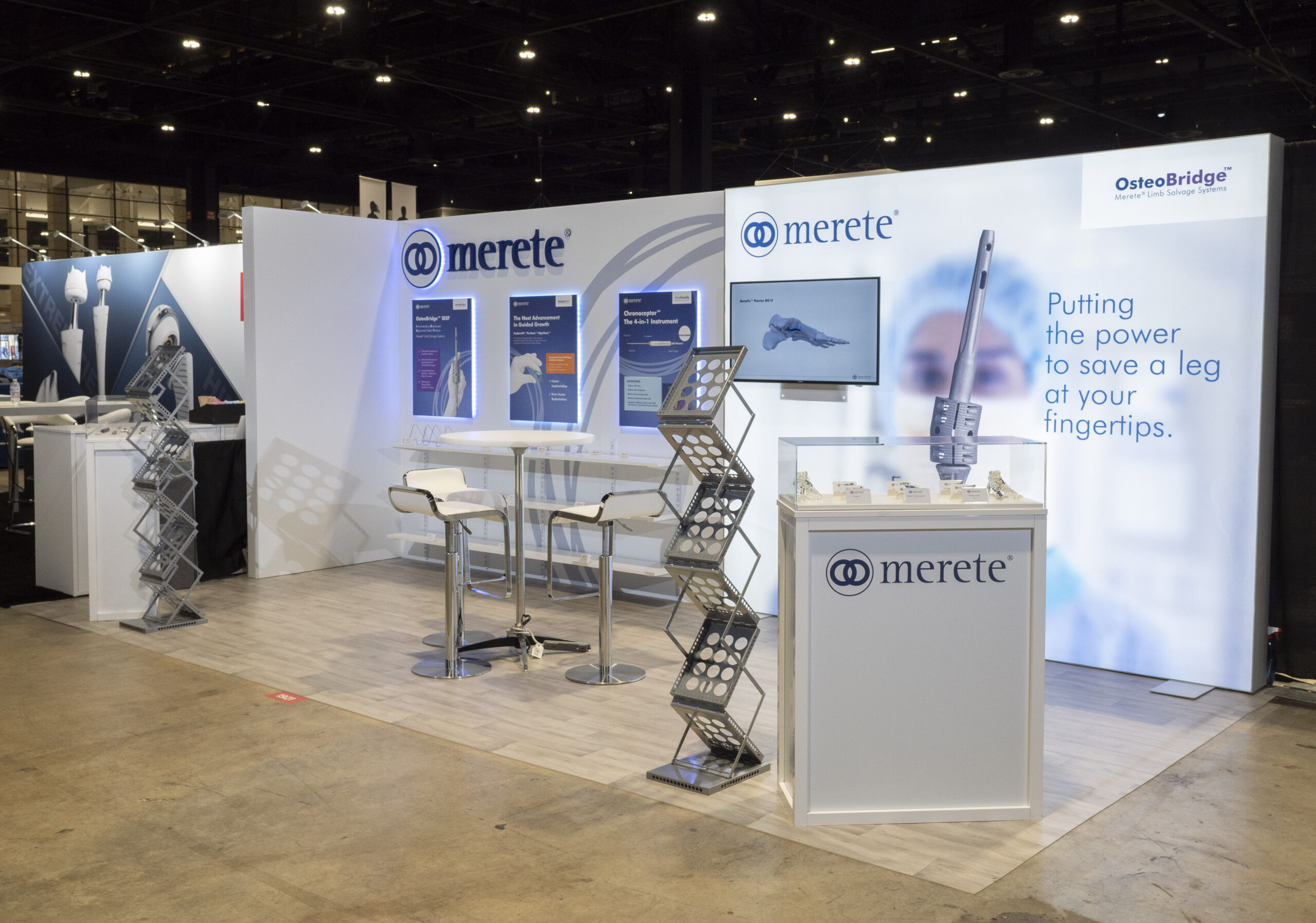
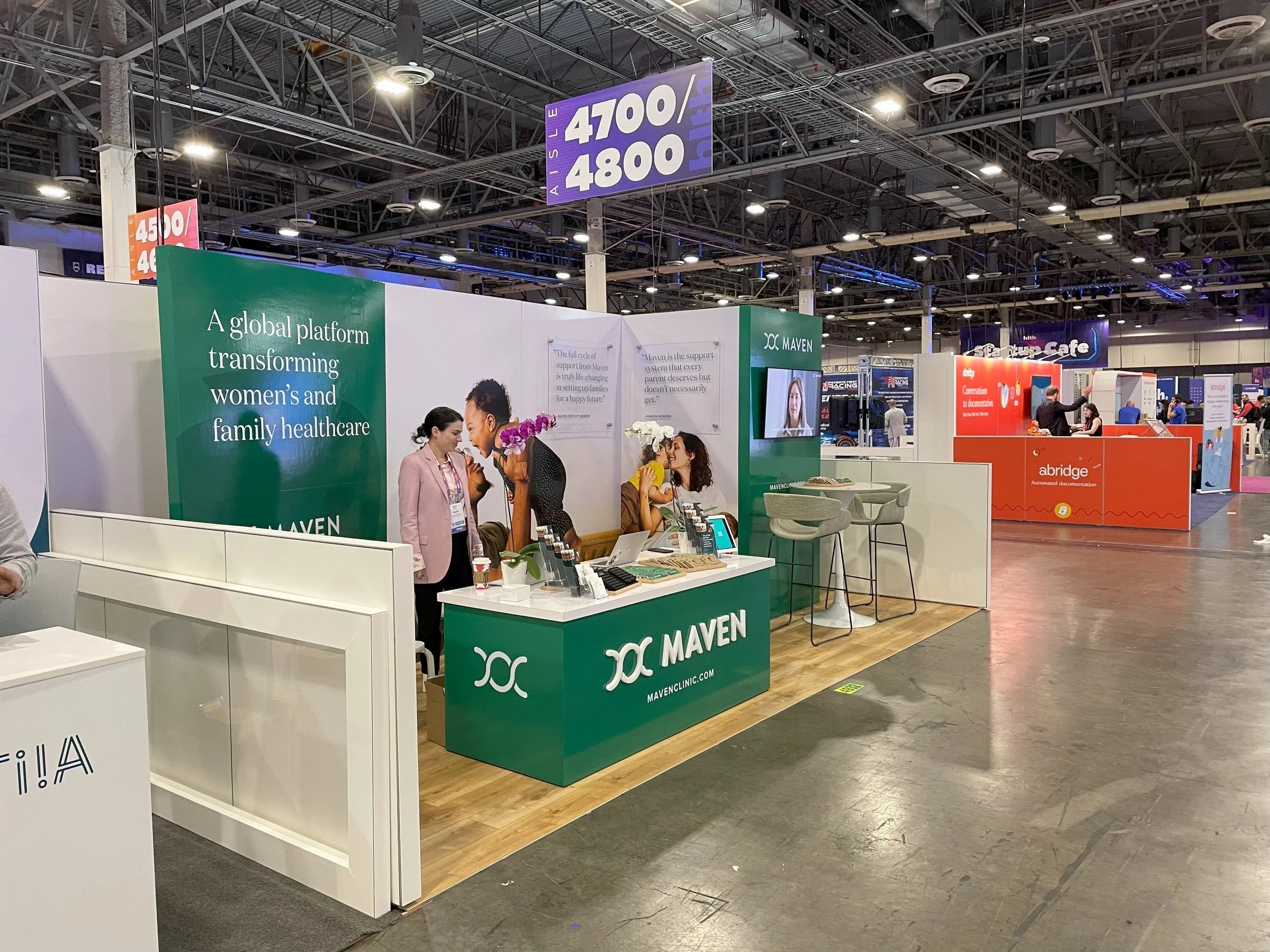
Cummings Research Park is the second-largest research park in the country by the city's own count, home to more than three hundred companies and roughly twenty-six thousand employees, many of them technical staff working alongside NASA Marshall Space Flight Center and Redstone Arsenal's defense programs.
That audience reads a booth differently than a general consumer crowd. Creative work for a Huntsville exhibit often has to lead with capability and credibility rather than a broad brand story, because the people walking the aisle are evaluating a technical relationship, not making an impulse decision.
That preference shows up across the whole market, from Redstone Arsenal program offices to the university and startup tenants filling out Cummings Research Park, since all of them are ultimately deciding whether a company can deliver on a specific technical claim rather than reacting to a general brand impression.
What creative concepting has to solve before design starts
- Who the audience actually is on this particular show floor
- What one message the booth needs to land in ten seconds
- How technical the visual language should be
- Where creative decisions hand off to the fabrication team
Designing for an engineering audience
Engineers and procurement staff from the Huntsville defense and aerospace base tend to slow down for specifics rather than slogans. Creative that states a capability plainly, backed by a demo or a piece of hardware, tends to outperform creative that leans on a purely emotional pitch.
That preference shows up most clearly in how a visitor reads the headline claim first, so the strongest, most concrete capability statement belongs at the top of the message hierarchy rather than buried in supporting copy underneath a broader theme.
That does not mean the booth has to look like a spec sheet. It means the creative hierarchy should put the clearest, most specific claim in the largest type, and let supporting visuals reinforce it rather than compete with it.
Message hierarchy on a technical floor
A crowded show like the AUSA symposium has dozens of booths making similar claims about mission readiness or technical capability. Creative that names the specific problem it solves, rather than a general capability statement, tends to stop a walking visitor faster.
Secondary messaging, product detail, and case examples belong deeper into the booth, where a visitor who has already stopped has time to read more than a headline.
Testing the headline claim with internal technical staff before finalizing it, rather than relying on the marketing team alone, tends to catch overstated or vague capability language before it reaches a floor full of people qualified to notice.
Where creative concepting starts
Concepting should start from the show and the audience, not from an existing brand template pulled from a different market. A booth designed for a general trade show in another city rarely translates cleanly to a technical, security-conscious Huntsville audience without real revision.
Early concepting also has to account for whether the exhibitor is showing hardware, since a physical product on the floor changes how much visual real estate graphics need versus how much space the item itself commands.
- Confirm whether hardware will be on display
- Set the single message the booth has to land
- Decide how technical the copy should read
Translating brand into a hall with real constraints
Every creative concept eventually has to fit inside the height, sightline, and material rules the venue and general contractor set for the show, which is why creative and fabrication need to talk to each other early rather than at the end of the process.
A concept that looks strong in a rendering but ignores those constraints usually gets revised late, under time pressure, right before freight ships.
Frequently asked questions about exhibit design and creative
How is creative different from booth design?
Creative sets the message and visual strategy; booth design turns that strategy into a floor plan that fits the venue's physical rules.
Does creative need to change for a defense or government audience?
Often yes, since that audience tends to respond to specific capability claims more than broad brand messaging.
Who has final say on creative revisions?
That is typically set by contract, but early alignment between the exhibitor's marketing team and the design team avoids late changes.
When should creative hand off to fabrication?
As soon as the concept is approved and checked against the venue's height and material rules, so the build shop has full lead time.
Does creative need input from technical staff as well as marketing?
Yes, since a technical audience can quickly spot an overstated or vague capability claim that marketing alone might not catch.