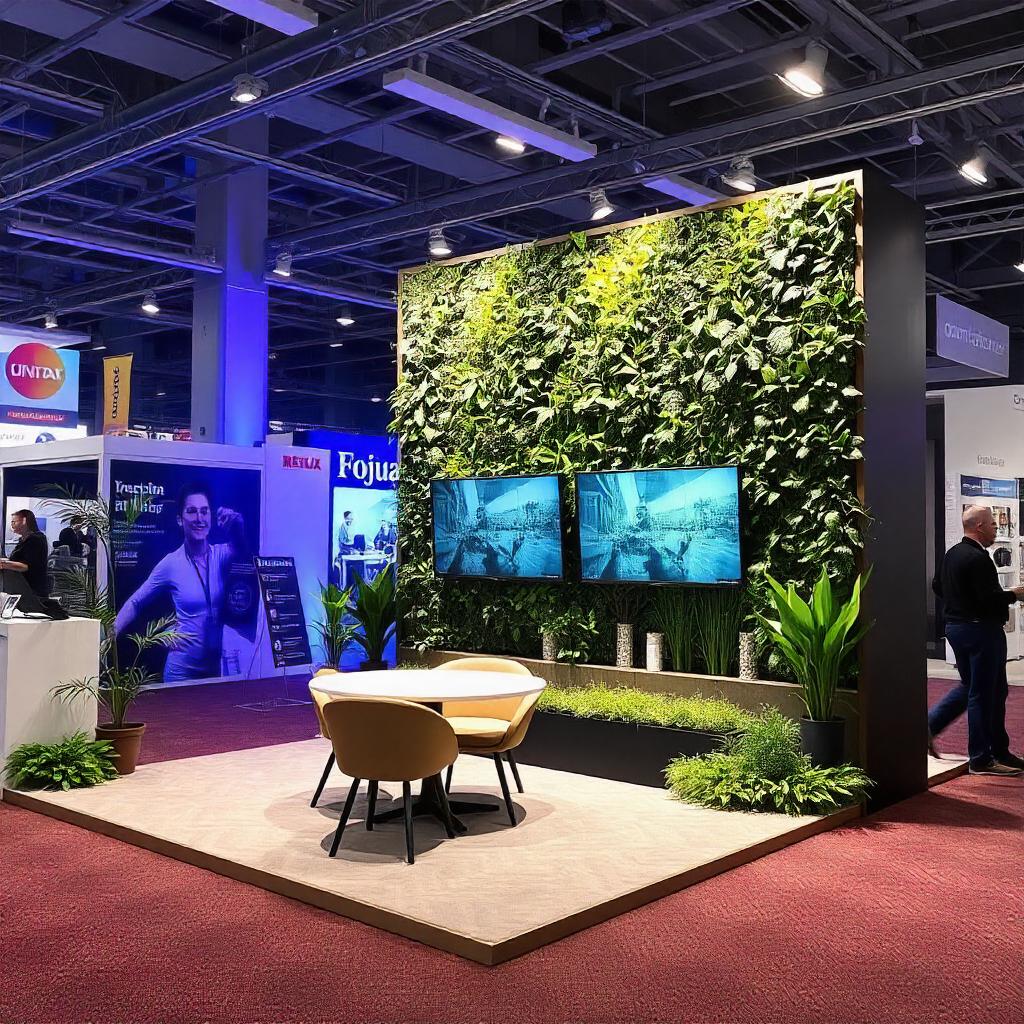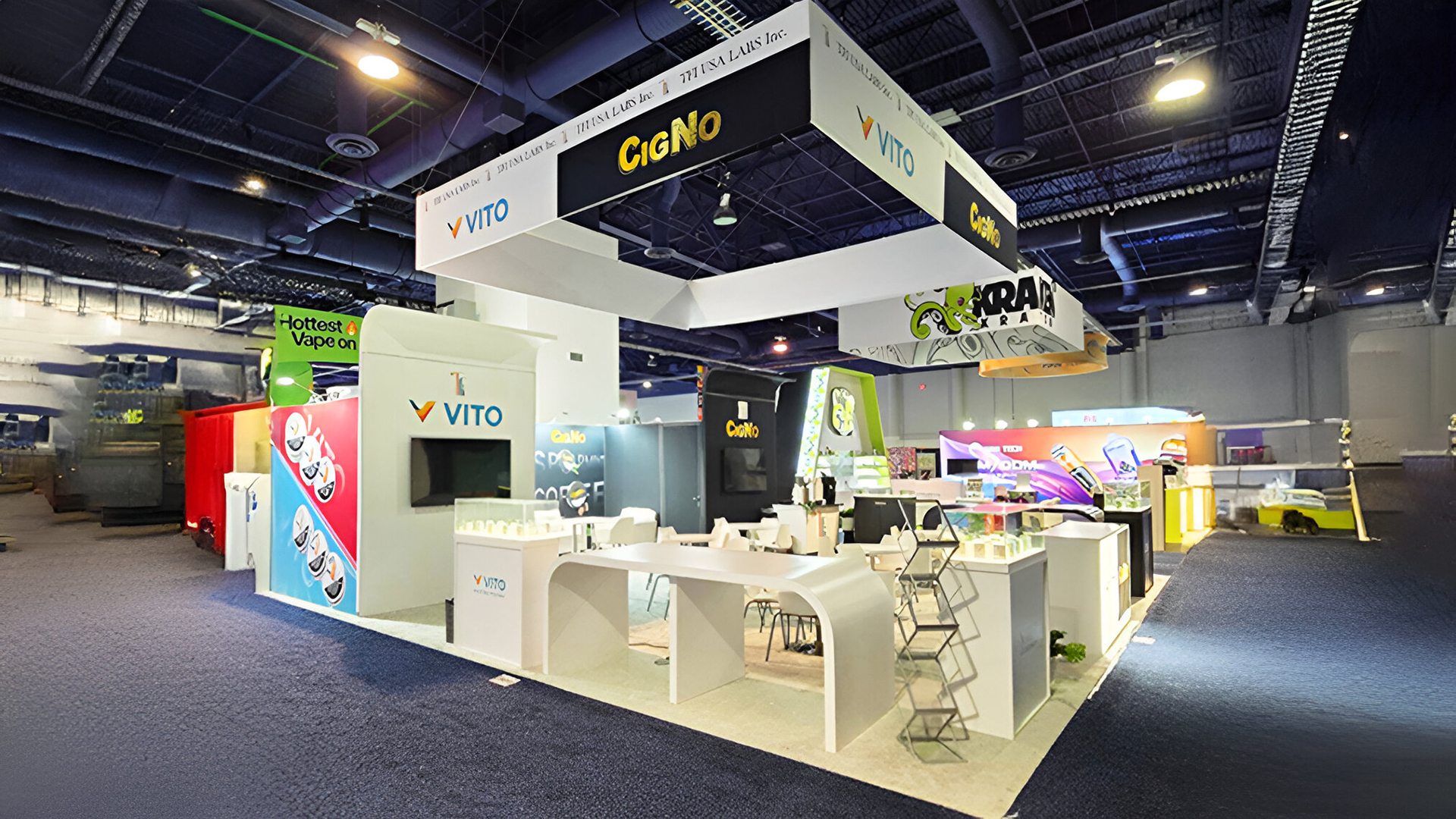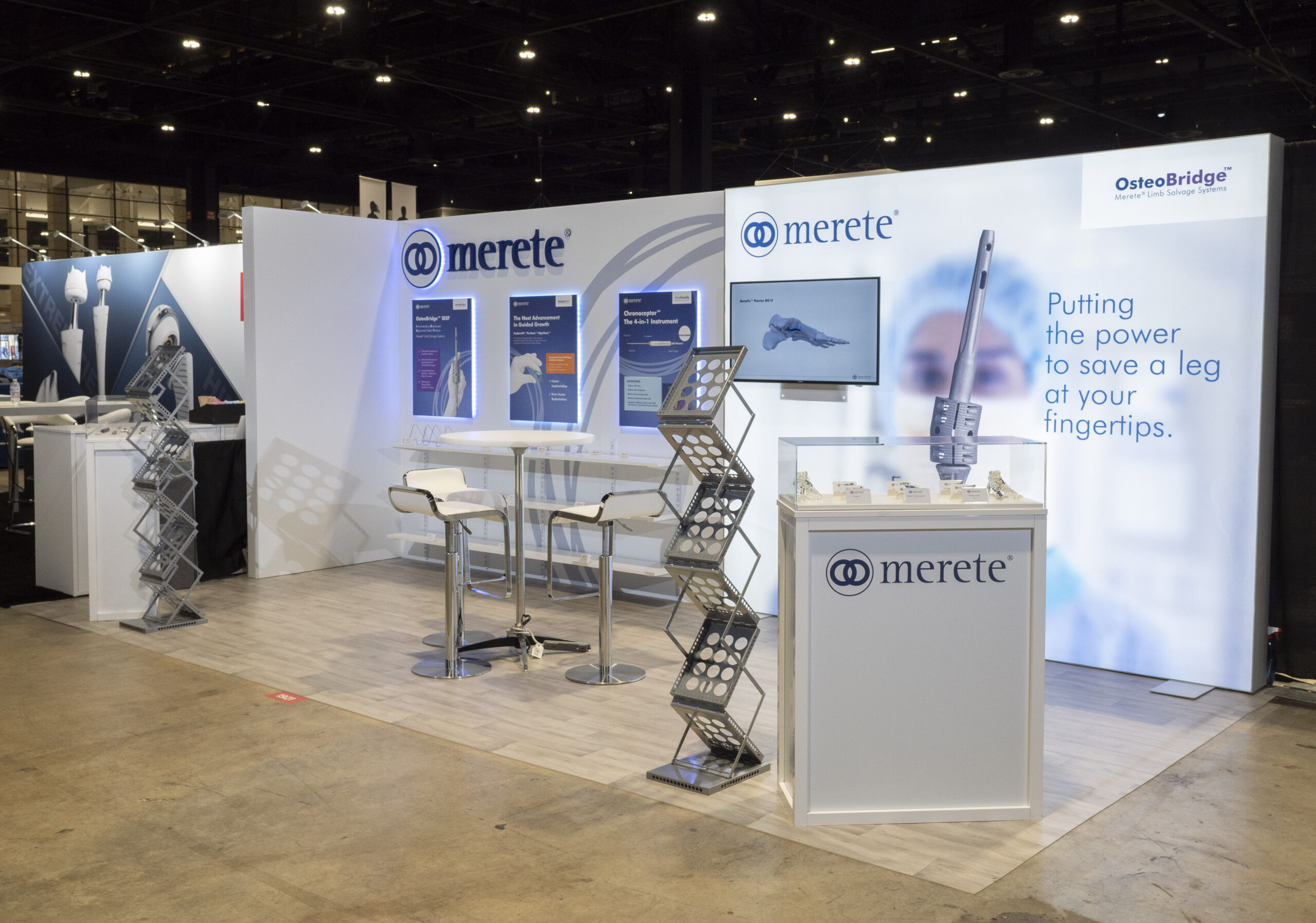
Modular display rentals solve a problem specific to exhibitors whose booth size changes from show to show, using a kit of reconfigurable panels, frames, and connectors that can scale up for a large island and back down for a compact inline space without buying separate structures for each footprint.
In a market where the same Huntsville exhibitor might show at the Von Braun Center's Exhibit Hall one month and a smaller venue the next, modular systems keep the visual identity consistent even as the physical footprint changes considerably between dates.
What makes a modular system worth choosing
- Footprint changes between shows on the same calendar
- Component reuse that lowers cost compared to separate fixed structures
- Storage and transport efficiency between a large and small configuration
- Graphics that adapt to different panel arrangements
One kit, several footprints
A modular system assembled from standardized panels and connectors can typically reconfigure from a large island down to a smaller inline booth using a subset of the same components, rather than requiring an entirely different structure for each size. This matters directly for Huntsville exhibitors whose calendar includes both a flagship date like the Global Force Symposium and smaller regional or association shows with tighter footprint limits.
The reconfiguration process takes planning, since not every component works in every layout, but the core investment carries across shows instead of sitting unused between one fixed-size booth and the next.
Storage and transport favor modular over fixed builds
A modular kit generally breaks down into a more compact, uniform shipping footprint than a large fixed structure built for one specific configuration, which lowers freight cost and simplifies storage between shows. For an exhibitor running a full calendar that includes the Von Braun Center locally and additional shows elsewhere, that transport efficiency adds up across a multi-show year.
This advantage becomes more noticeable the more often a booth travels, since a fixed structure's shipping cost stays constant regardless of how it is used, while a modular kit's efficiency compounds with use.
- Map each show's footprint requirement before selecting the component kit
- Confirm which panels support both large and small configurations
- Plan graphics to work across more than one panel arrangement
Graphics need to work across configurations, not only one layout
Because the same panels may appear in different positions depending on the show's footprint, graphics designed for a modular system generally hold up best when built with some flexibility rather than a single fixed layout in mind. A graphic designed only for a twenty-foot island backwall can look awkward or incomplete once the system reconfigures down to a smaller inline space, and reprinting on short notice rarely produces the same quality as planning for it up front.
Working with a design that anticipates more than one configuration from the start avoids reprinting graphics every time the footprint changes.
The cost case builds over a full show calendar
A modular system's upfront rental cost can look comparable to a fixed rental structure for a single show, but the savings show up across a calendar with multiple footprint requirements, where a fixed structure would otherwise need a second or third rental to cover the smaller dates. Evaluating the cost across the whole year's show list, rather than one date at a time, gives a clearer picture of whether modular makes sense for a given exhibitor.
Exhibitors with a single fixed footprint every year may not see the same benefit, since the flexibility modular systems offer is only valuable when footprint requirements actually change.
Frequently asked questions about modular display rentals in Huntsville
Can a modular system really scale from a large island to a small inline booth?
Yes, using a subset of the same standardized panels and connectors, though the reconfiguration takes planning since not every component fits every layout.
Does a modular kit save money on shipping?
Often, since it generally breaks down into a more compact, uniform footprint than a large fixed structure, which lowers freight cost and simplifies storage between shows.
Do graphics need to be redesigned for each configuration?
Not if they are planned with flexibility from the start. Graphics built for only one fixed layout can look incomplete once the system reconfigures to a different footprint.
Is a modular system worth it for an exhibitor with the same booth size every year?
Not necessarily. The cost advantage comes from footprint flexibility across a show calendar, so an exhibitor with a single fixed size every year may not see the same benefit.