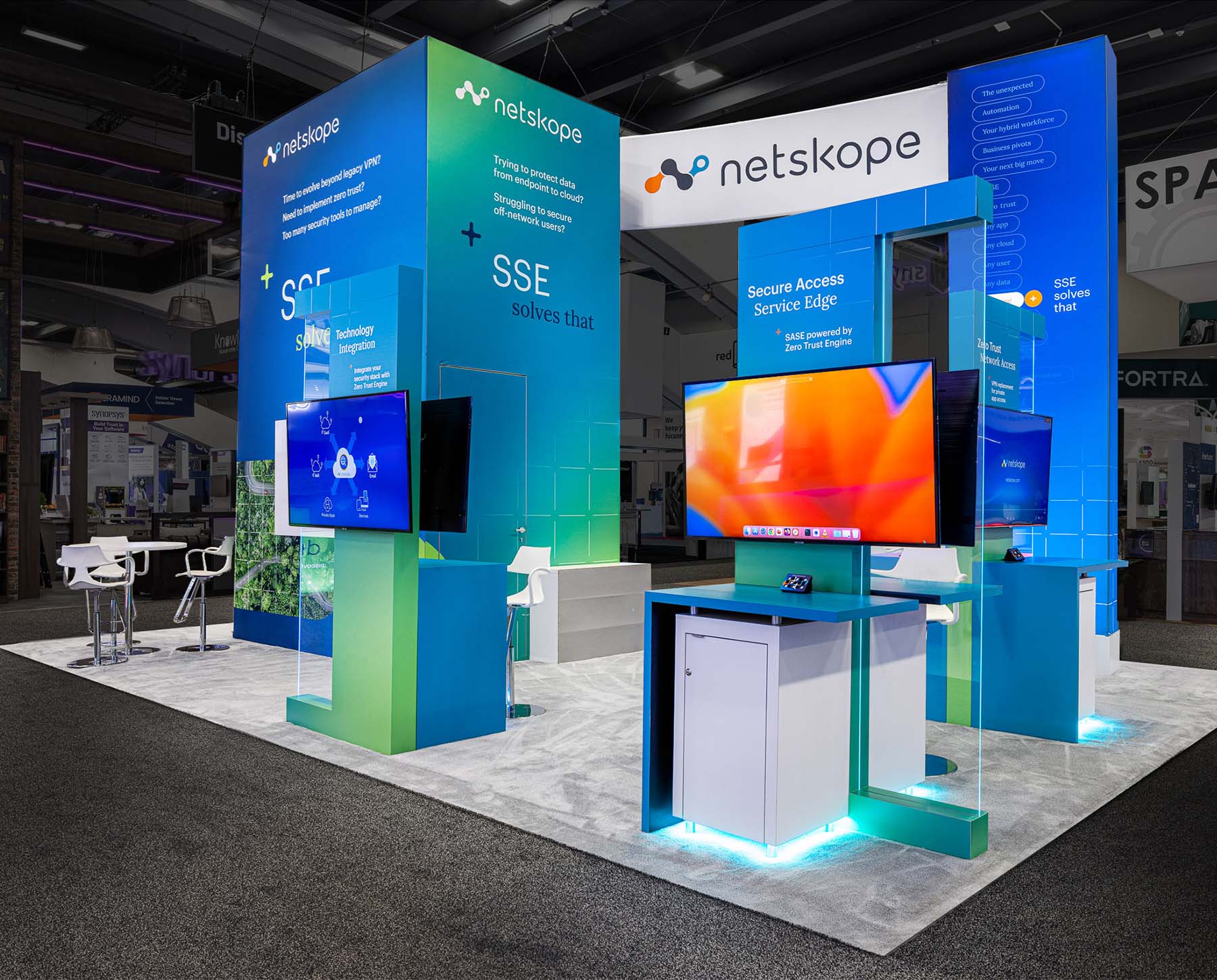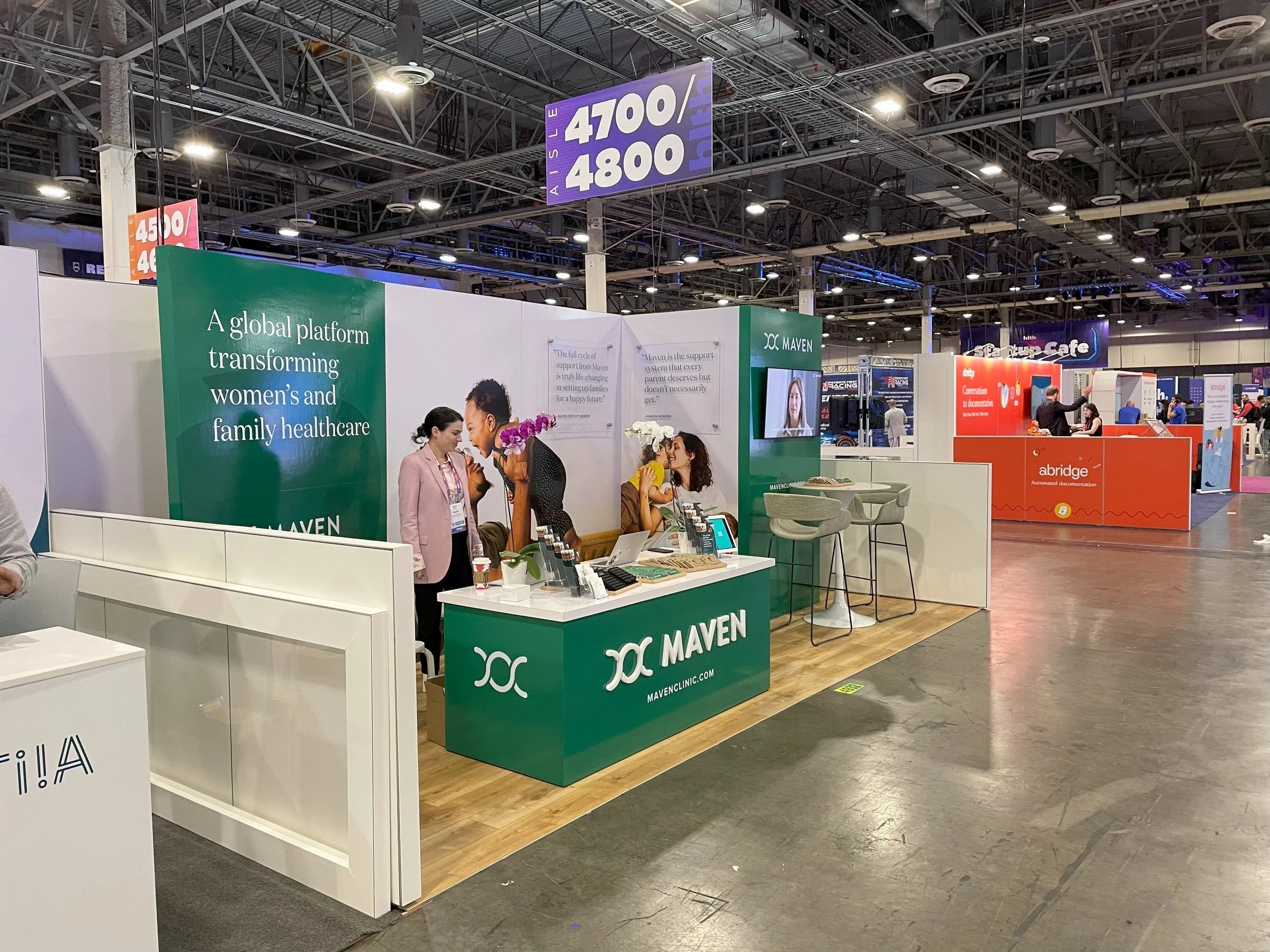
Sponsorship packages at recurring Huntsville aerospace and defense events tend to bundle floor space with signage rights, session mentions, or a branded moment during the program, and each of those pieces pulls the activation design in a different direction.
An activation built only around a logo wall underuses the sponsorship; the stronger builds give attendees a reason to stop that is not simply the brand's name in large type.
What separates a working activation from a branded wall
- An interactive reason to stop, beyond a logo alone
- Staffing that can hold a crowd without blocking the aisle
- Branding sized to the tier, not maximized regardless of space
- A way to measure engagement after the show
Reading the sponsor tier
A top-tier sponsorship at a Huntsville event might come with a footprint near the main stage or registration path, while a lower tier gets a smaller space further from the flow, and the activation design should match the traffic that space actually gets.
Overbuilding a small footprint with too many elements crowds the space and makes it harder for attendees to engage with any single piece.
Confirming exactly what the sponsorship contract includes, down to whether a session mention or a stage moment is part of the package, avoids designing an activation around a benefit that was never actually purchased.
Branding without crowding the aisle
Signage and structure that extend past the sponsor's assigned footprint create friction with neighboring exhibitors and with the venue's fire-code aisle requirements.
A clean edge to the activation, even a simple flooring change or low rail, tells attendees where the space starts without needing tape or a rope line.
Interactive elements that hold a crowd
A short, simple interaction, whether that is a demo, a game, or a hands-on product touch, gives a staffer a natural opening line instead of a cold approach.
Interactions that take under a minute keep the line moving during a busy break, while anything longer needs enough space for a small queue that does not spill into the aisle.
- Keep interactions under a minute during peak break windows
- Give staffers a natural opening line tied to the interaction
- Queue space should sit inside the sponsor footprint, not the aisle
Staffing and script
Staff who can read whether an attendee wants a quick badge scan or a longer conversation get more out of the same footprint than a script that treats every visitor the same way.
A rotation plan across a multi-day event keeps energy up at the activation instead of the same two people covering the whole run.
Briefing staff on the sponsor's actual talking points, beyond the interaction mechanics alone, matters more at a technical Huntsville event where attendees may ask a genuinely detailed follow-up question.
Measuring the activation after the show
Scan counts, interaction counts, and any follow-up meetings booked on-site give a sponsor something concrete to report back to their own leadership after the event closes.
That data is easiest to collect when it is captured within the interaction itself, rather than added as a separate survey step attendees are unlikely to complete.
Sharing a short recap with the sponsor within a day or two of the event, while the numbers are still fresh, tends to land better than a report sent weeks later after the conference has faded from memory.
Frequently asked questions about sponsor activation environments
How much space does a sponsor activation typically need?
It depends on the sponsorship tier purchased; the design should match the footprint and traffic level that tier actually delivers rather than aiming for maximum scale.
What makes an activation more effective than a branded wall?
A short interactive element that gives attendees a reason to stop and gives staff a natural opening line, rather than relying on signage alone.
How is queue space handled during a busy break?
Queue space should be planned inside the sponsor's assigned footprint so it does not spill into the shared aisle.
Can activation results be measured after the event?
Yes, through scan counts, interaction counts, or on-site meetings booked, especially when that tracking is captured within the interaction itself.
Does staffing matter as much as the physical design?
It does; staff who can read whether a visitor wants a quick scan or a longer conversation get more value out of the same footprint.
When should activation results be shared with the sponsor?
Within a day or two of the event closing, while attendance and interaction numbers are still fresh and easy to tie back to specific sessions.