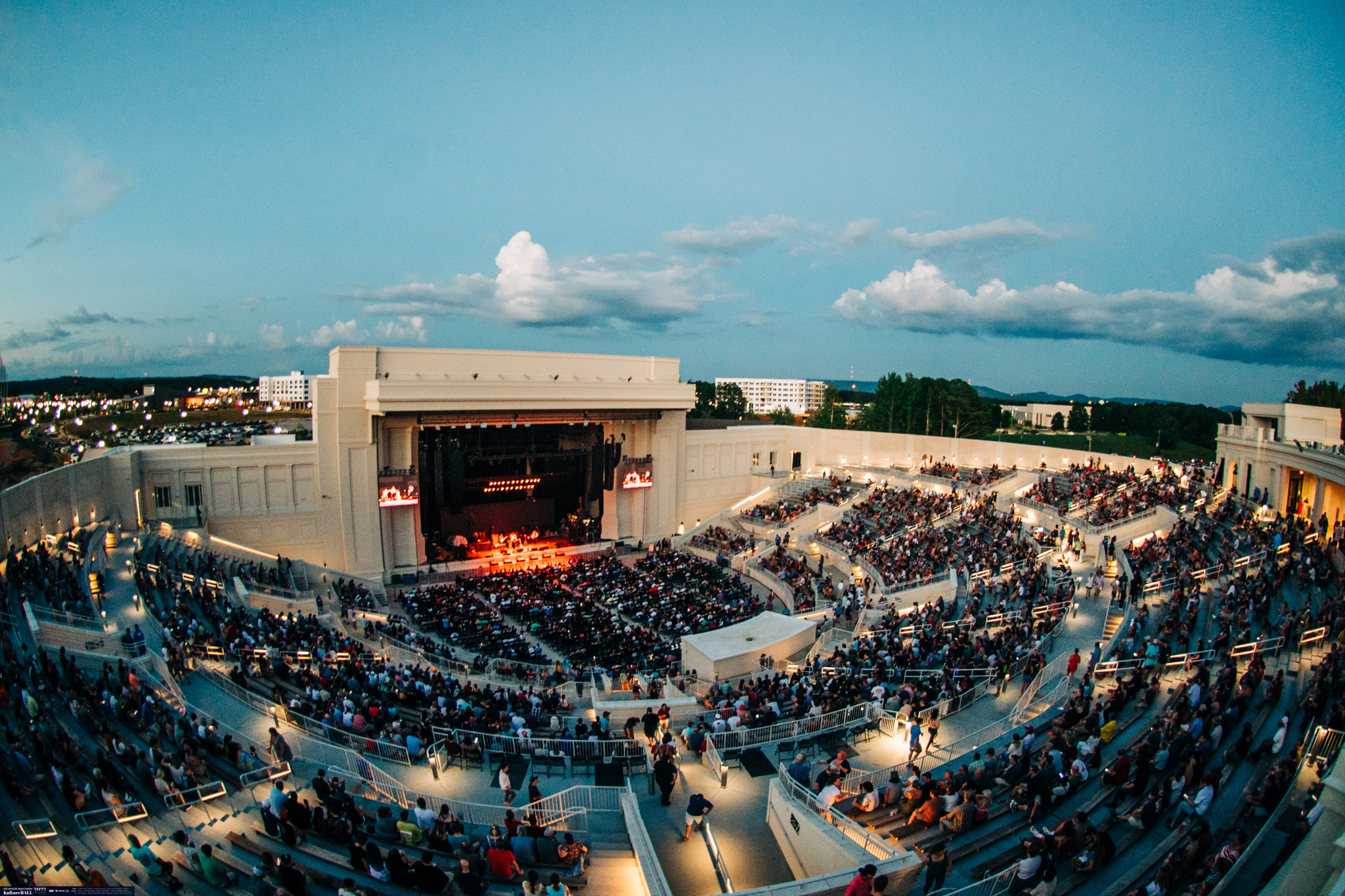
Huntsville's dense base of engineering, aerospace, and defense professionals, many of them tied to Redstone Arsenal and Cummings Research Park, supports a strong culture of recurring professional and trade association meetings, including the region's well-known annual space and missile defense gathering hosted with AUSA's local chapter.
That recurring pattern means an association meeting planner in Huntsville is often working with the same venue, the same rough attendee base, and the same institutional memory year over year, which rewards consistency more than novelty.
What matters for a recurring association meeting
- Consistency in registration and branding across years
- Committee and board rooms alongside the general session
- A venue relationship that carries institutional knowledge
- Room to grow the program without starting over
Consistency matters more than reinvention
Members who attend an association meeting year after year build an expectation for how registration works, where committee rooms are, and how the general session flows, so a planner who changes too much between years risks confusing a loyal, returning audience rather than improving their experience.
That does not mean the program should never evolve, but changes are best introduced deliberately, one or two at a time, rather than as a full redesign that leaves longtime attendees relearning the event.
Committee rooms run alongside the main program
Unlike a single-track conference, association meetings often carry board meetings, committee sessions, and chapter business happening in parallel with the general program, sometimes before the public sessions even open, which means the room block needs smaller meeting spaces held separately from the main breakout schedule.
Scheduling those committee sessions needs its own line on the master calendar, since a board meeting running long can hold up a room needed for the general program later that day.
The venue relationship becomes institutional knowledge
A venue that has hosted the same association meeting for several years accumulates its own understanding of the group's needs, preferred room configurations, catering habits, AV requirements, which is a real advantage over starting fresh at a new location, and worth weighing seriously before switching venues for a modest cost difference.
When a venue change is necessary, carrying that institutional knowledge forward in a written brief for the new location protects continuity for returning attendees.
- Document venue preferences and past issues in a written brief, not only staff memory
- Schedule committee and board rooms as their own calendar line
- Introduce program changes gradually rather than all at once
Growing the program without losing the core
As an association meeting grows, whether from a rising chapter membership or a broader regional draw tied to Huntsville's expanding defense and aerospace footprint, the temptation is to add tracks and rooms quickly, but growth works best when the core general session and registration experience that members already trust stays intact while new elements are added around it.
A meeting that keeps its familiar center while expanding at the edges tends to retain long-time members even as it welcomes new ones.
A post-meeting debrief with the venue and the planning committee, capturing what worked and what should change, is worth treating as a standing part of the process rather than an afterthought, since that record is what turns a single good year into a genuinely repeatable, improving annual meeting. Keeping that debrief in writing, rather than relying on memory the following year, protects the continuity that returning members have come to expect.
Frequently asked questions about association meeting services in Huntsville
Why do association meetings in Huntsville tend to be recurring?
The region's dense base of engineering, aerospace, and defense professionals, tied closely to Redstone Arsenal and Cummings Research Park, supports strong, long-running professional and trade association chapters.
How should committee meetings be scheduled?
As their own calendar line, separate from the general session breakout schedule, since a board or committee meeting running long can delay a room needed later for the main program.
Is it worth switching venues for a lower cost?
Weigh it carefully. A venue that has hosted the meeting for years holds institutional knowledge about the group's preferences that a new location won't have without a detailed handoff brief.
How should a growing association meeting expand its program?
By keeping the core general session and registration experience members already trust intact, while adding new tracks or rooms around that stable center rather than redesigning the whole event.
Should an association hold a debrief after each meeting?
Yes. A short debrief with the venue and planning committee, capturing what worked and what should change, builds the record that turns one good year into a repeatable, improving annual meeting.