Few metros put the same badge holders back on a show floor as often as Huntsville does. A defense contractor that exhibits at a spring supplier day inside the Von Braun Center often turns around and staffs a recruiting table at Cummings Research Park within a few months, then a booth at a fall program back at the VBC.
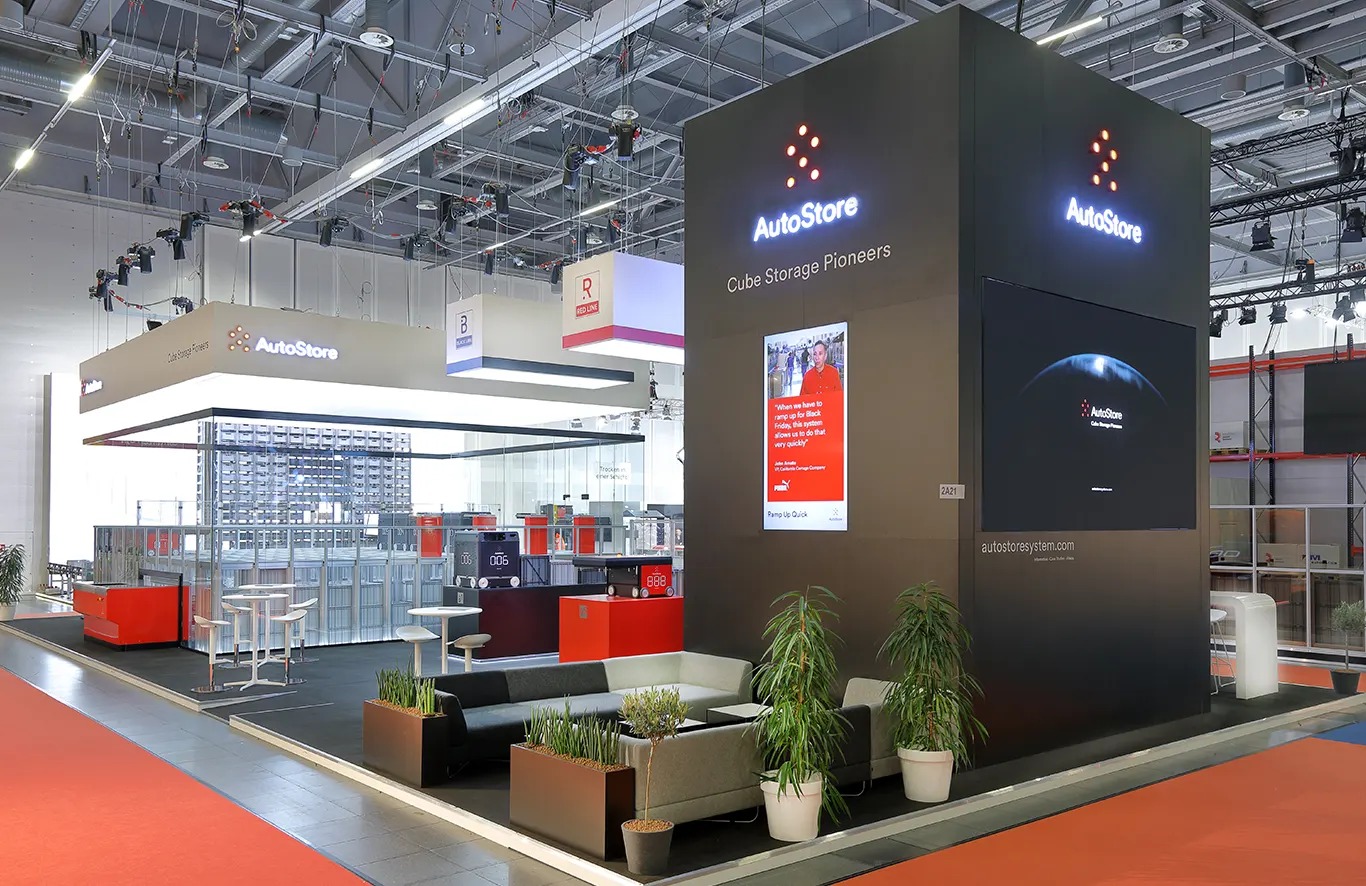
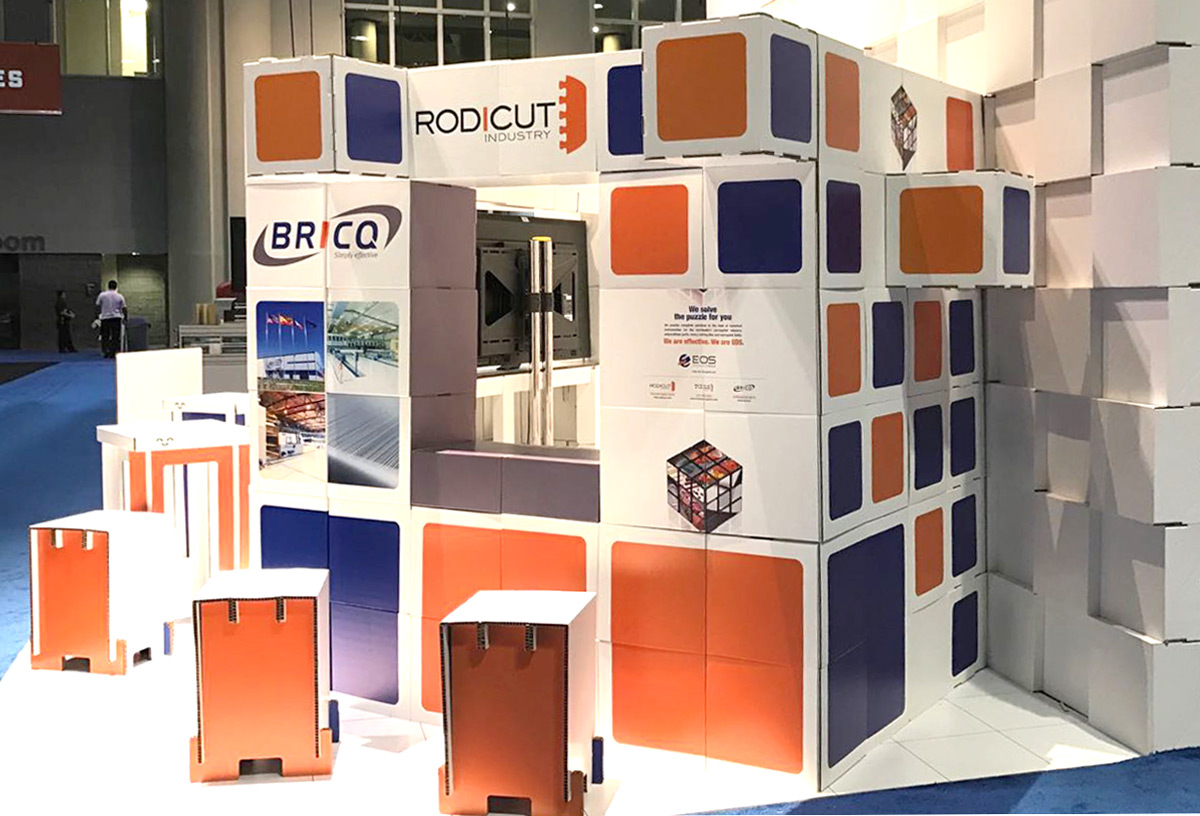
That cadence is why modular trade show booths get chosen here more than one-off custom builds: the frame, graphics panels, and lighting travel as a kit and reassemble in a different footprint each time instead of being rebuilt from scratch for every date.
What decides whether a modular kit fits
- How many Huntsville dates the kit needs to cover this year
- Whether the footprint changes between an inline table and a bigger island
- Case and crate weight against airline or ground-freight limits
- Graphic panel reuse versus a full reprint each cycle
Why the reuse math works here
Redstone Arsenal, NASA Marshall, and the roughly 300 companies inside Cummings Research Park generate a steady run of supplier days, technical symposia, and recruiting fairs rather than one marquee event a year. A team that exhibits three or four times locally spends less over a year on a modular system than on three separate custom builds.
The tradeoff is discipline: panels have to survive repeated pack-out, and graphics need a layout that still reads correctly whether the kit is set as a straight inline table or opened into a larger footprint.
Matching the kit to the room
The Von Braun Center's exhibit space handles configurations from a handful of tabletop displays up to full island footprints, so a modular system built for one narrow use case can end up oversized or undersized depending on which hall gets booked for a given date.
Confirming ceiling height, rigging points, and aisle width before the kit ships avoids a mismatch that shows up only once the crew is already on site.
- Confirm the hall and footprint before finalizing panel sizes
- Build in at least one alternate configuration
- Keep a spares kit for connectors and lighting
Freight and turnaround between dates
Huntsville International Airport's cargo capacity and the region's highway access mean modular cases generally move in and out without the freight bottlenecks that slow bigger metros, but the gap between two local shows is sometimes only a few weeks.
Building a turnaround checklist, so the crate gets inspected and restocked immediately after teardown rather than the week before the next show, keeps the same kit usable across a full year of Huntsville dates.
Labor and setup expectations
Alabama's right-to-work rules mean many modular installs here can run with a smaller in-house crew than a strict union hall requires, though the venue still sets its own service rules for electrical, rigging, and dock access.
Reading the exhibitor kit for the specific Huntsville date before assuming a self-install is allowed saves a scramble at move-in.
Graphics that survive a repeat schedule
A modular booth used four times a year needs a graphics strategy built for wear: magnetic or SEG panels that swap cleanly instead of full-panel reprints for every small message change.
Segmenting the graphics into a fixed brand zone and a swappable message zone lets one modular trade show booths kit serve a supplier day, a recruiting fair, and a technical symposium without three separate print runs.
Frequently asked questions about modular trade show booths in Huntsville
How many Huntsville shows justify owning a modular kit instead of renting each time?
Most exhibitors reach breakeven between two and three local dates a year, since the frame and hardware cost is spread across each additional show rather than paid once per event.
Can one modular system handle both a small supplier table and a larger booth?
Yes, if the kit is designed with a base configuration plus add-on panels, so the same components scale from a tabletop footprint up to a larger inline or island layout.
Does the Von Braun Center require a specific installer for modular booths?
The venue sets its own rules for electrical and rigging work by date and hall, so checking the current exhibitor service kit before assuming a self-install is allowed is the safer step.
How much storage does a modular kit need between Huntsville dates?
A single case or two-crate system is typical, small enough to store locally rather than shipping back to an out-of-state warehouse between shows only a few weeks apart.
What breaks first on a modular kit used across several shows a year?
Connector hardware and panel edges wear fastest, which is why a spares kit and a post-show inspection step matter more than the frame itself.