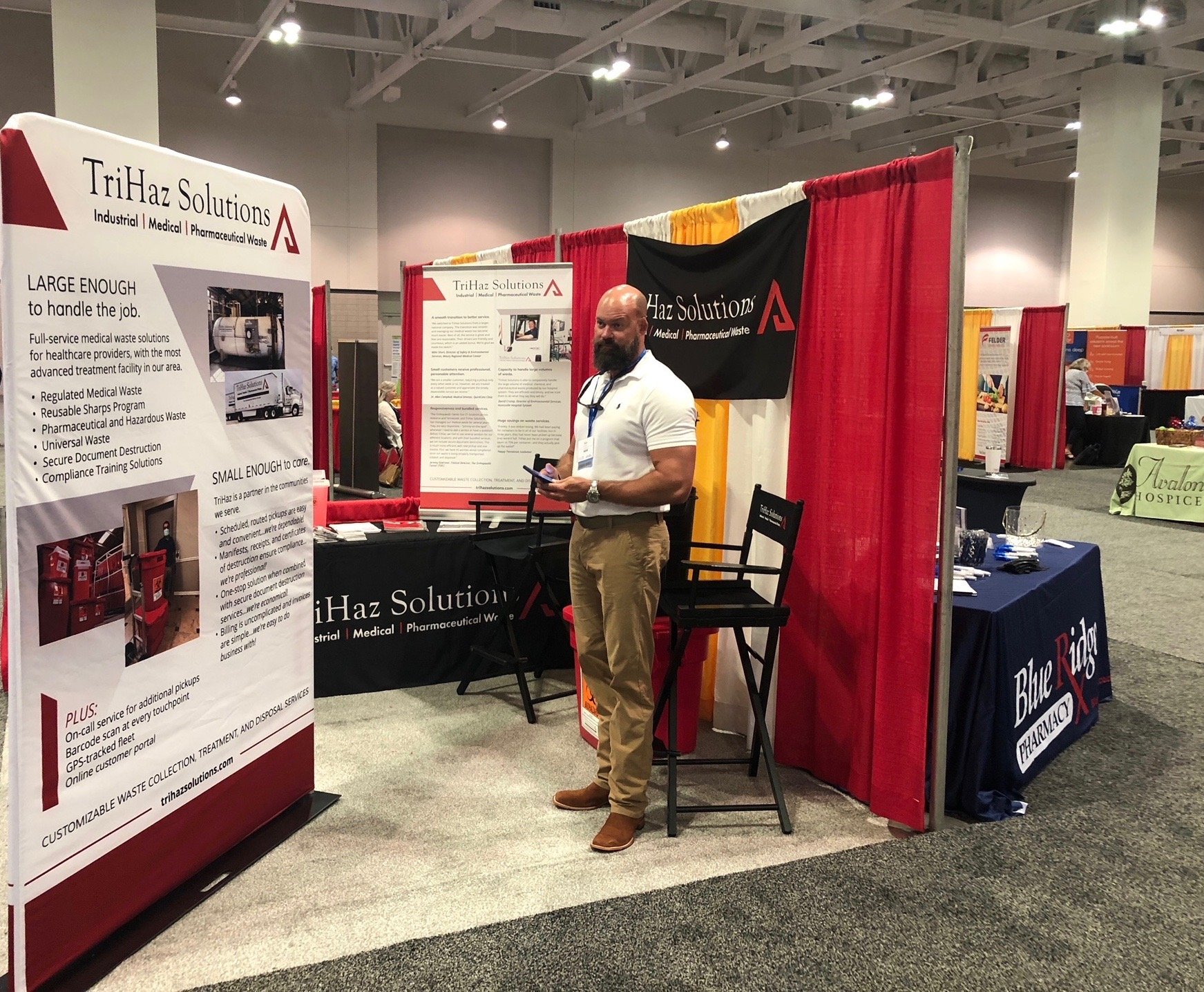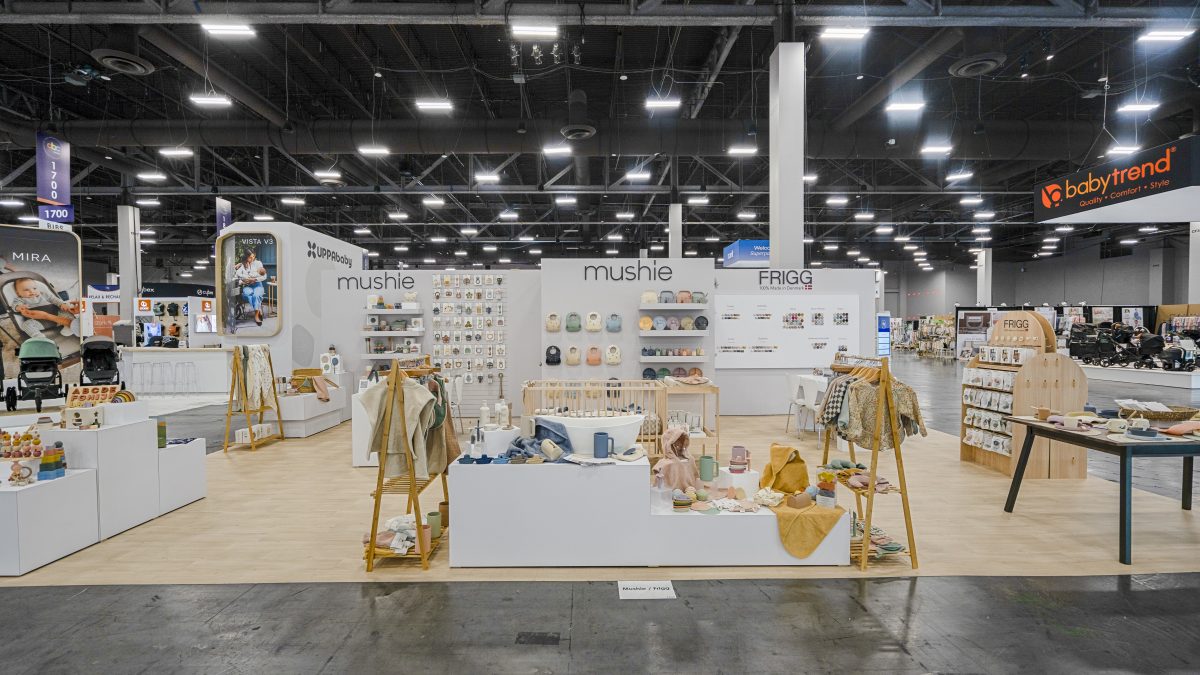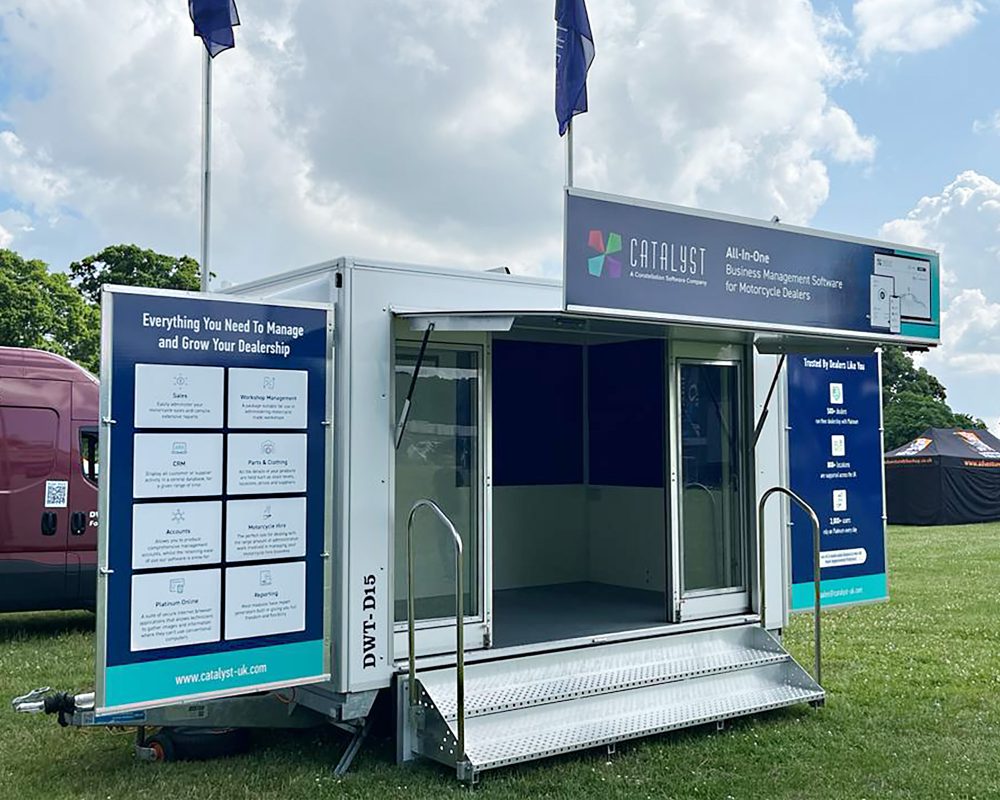
A touring program treats Huntsville as one stop on a longer circuit, which means the local logistics, freight arrival, dock access, crew scheduling, have to slot into a schedule set well before the truck ever reaches Alabama, not built fresh for this city alone.
Huntsville International Airport's air cargo and intermodal operation, combined with the I-565 corridor connecting the airport, downtown, and Cummings Research Park, gives a touring show reasonably fast freight options in and out, but only if the local leg is planned against the rest of the circuit rather than in isolation.
What makes a roadshow stop work in Huntsville
- A repeatable kit that doesn't need local redesign
- Freight timed against the rest of the circuit
- A fast local crew that knows the venue's quirks
- A reset plan built for hours, not days
The kit has to travel, not be reinvented
A roadshow's core assets, structure, graphics, AV, need to assemble the same way in Huntsville as they did in the last city and will in the next one, which means any local customization should be additive, a regional graphic panel, a city-specific handout, rather than a change to the core build.
Local crews should get the same build documentation used at every other stop, not a verbal walkthrough, since consistency across stops is what keeps setup time predictable city to city.
Freight has to sync with the rest of the circuit
Because a roadshow truck or crate set is often due at the next city within days, freight timing in Huntsville needs a hard outbound deadline built in, not only an inbound arrival target, and that outbound window should be confirmed with the venue's dock schedule before the show even opens.
Huntsville International Airport's intermodal cargo facility is a real asset if any portion of the kit needs to fly rather than truck to the next stop, but that option needs to be arranged ahead of time, not discovered as a fallback during a scheduling crunch.
Local crew speed matters more than local crew size
A roadshow stop usually runs on a compressed local schedule, so the value of a Huntsville crew is less about headcount and more about knowing the specific venue's dock quirks, elevator timing, and house rules well enough to avoid the delays a touring crew unfamiliar with the building would hit.
That local knowledge is the difference between a setup that finishes with time to spare and one that runs into the doors-open hour.
- Confirm dock hours and elevator access with the specific venue, not a general assumption
- Use a crew that has worked that venue before when possible
- Build a strike plan that hits the outbound freight deadline, not only doors-close time
Resetting fast between stops
A roadshow reset is measured in hours, not the days a standalone event might allow, so the strike sequence needs to be as rehearsed as the build sequence, with every case and crate pre-labeled for its place in the next city's load-in rather than sorted after the fact.
Treating the Huntsville stop as one link in a chain, rather than a standalone event, is what keeps the whole circuit on schedule.
A single point of local contact for the touring producer, someone who can answer a dock question or confirm a parking hold without routing through the full circuit's project manager, keeps small Huntsville-specific issues from becoming delays that ripple into the next city on the schedule.
Frequently asked questions about roadshow services in Huntsville
Can a roadshow use Huntsville's airport for freight?
Yes. Huntsville International Airport has an intermodal air cargo operation that can move freight to the next stop when trucking timelines are too tight, but it needs to be arranged ahead of the schedule crunch, not as a last-minute fallback.
Should the roadshow kit be redesigned for Huntsville?
No. The core build should stay consistent across every stop, with any local customization added on top rather than changing the base structure or graphics.
Why does local crew knowledge matter for a one-day stop?
A crew familiar with a specific venue's dock hours and elevator timing avoids the delays a touring crew unfamiliar with the building would run into during a compressed setup window.
How is a roadshow strike different from a standard event teardown?
It runs on an outbound freight deadline for the next city, not only a doors-close time, so cases need to be pre-labeled and the strike sequence rehearsed like the build.
Who should the touring producer contact locally in Huntsville?
A single named local contact who can answer venue-specific questions directly, so small issues get resolved on the spot instead of routing through the full circuit's project manager and risking a delay to the next stop.