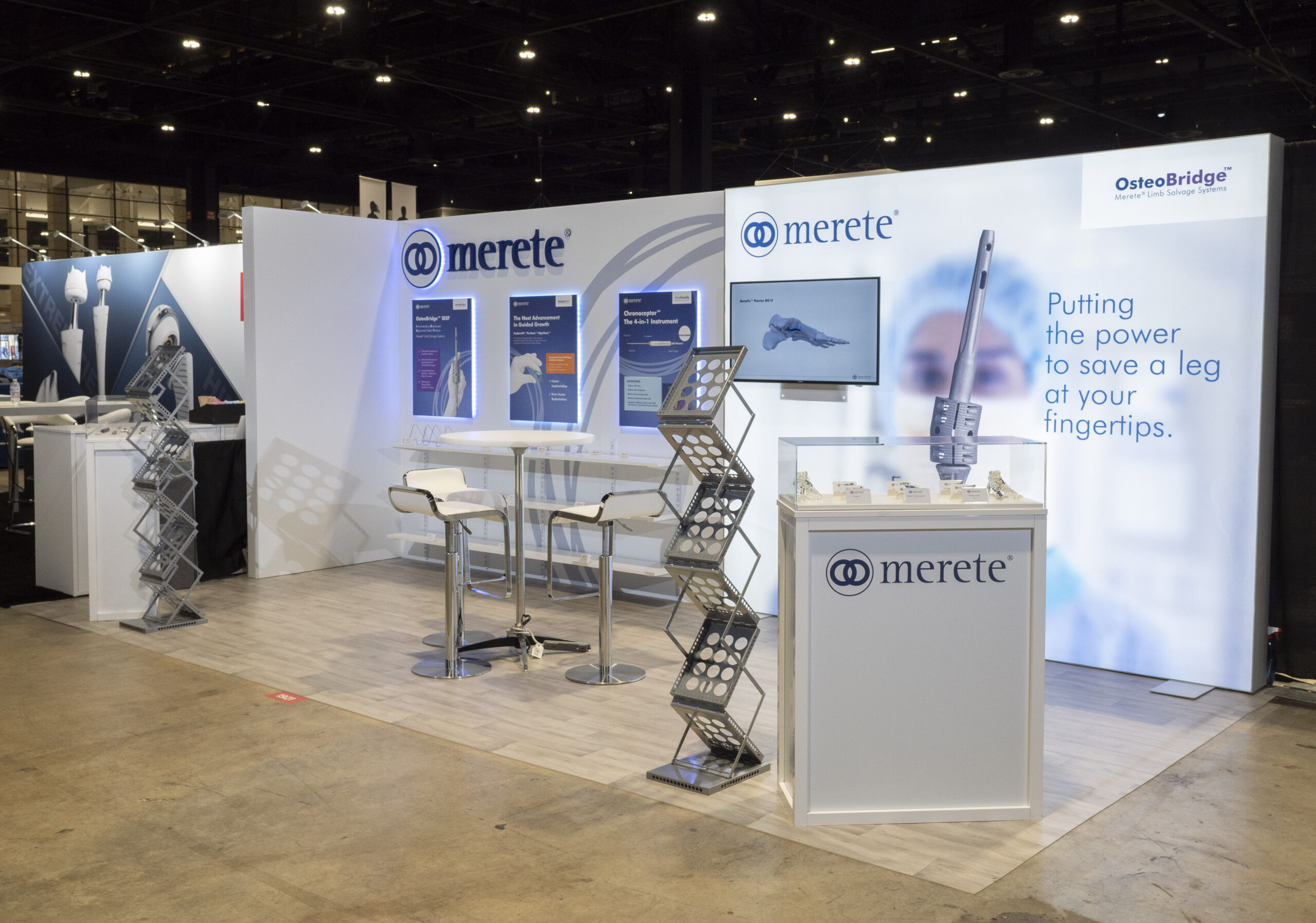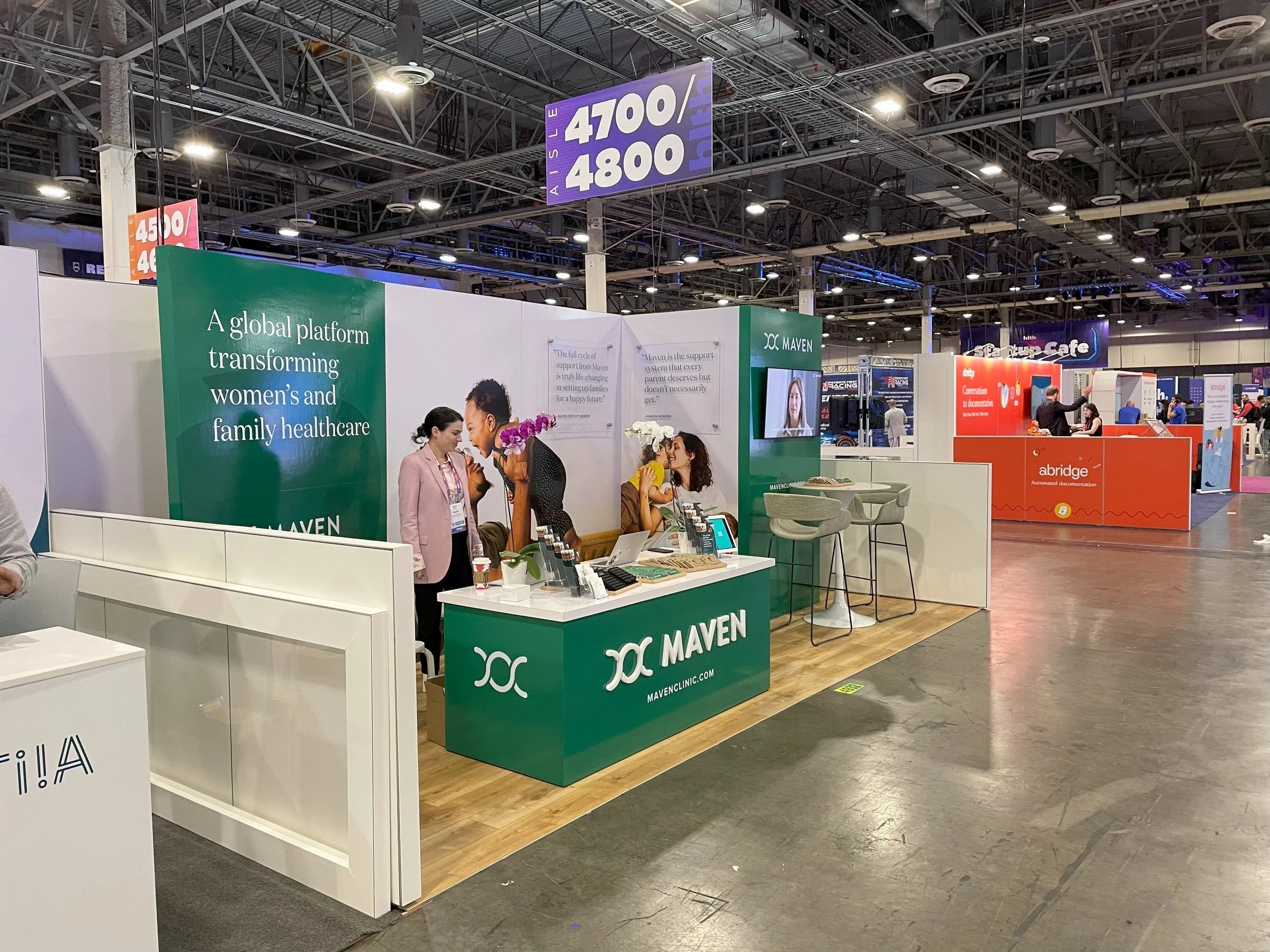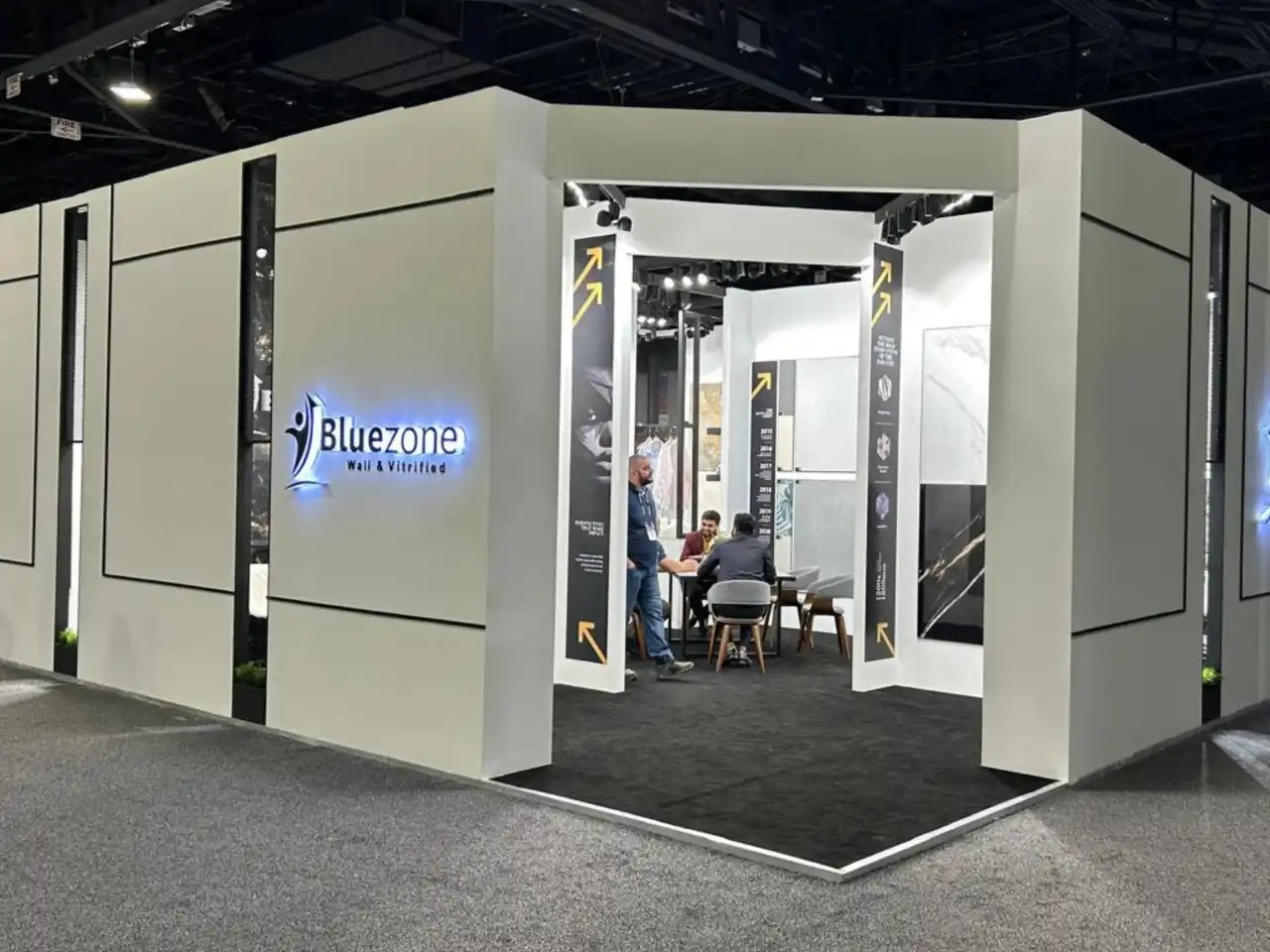
Installation and dismantle, often shortened to I&D, is the labor that physically builds and strikes a booth on the show floor, distinct from the design or fabrication work that happens before freight ever ships to Huntsville.
At a show the size of the AUSA Space and Missile Defense Symposium, held on the Von Braun Center's Propst Arena floor, dozens of booths are installing on overlapping schedules, which makes dock timing and crew sequencing as important as the install work itself.
Smaller events at venues like the Jackson Center or a Cummings Research Park facility involve far less crew coordination, since fewer exhibitors are competing for the same dock and floor space at once.
What shapes an I&D schedule in Huntsville
- The general contractor's move-in and move-out windows
- Dock scheduling in timed slots rather than open access
- Booth complexity relative to crew size
- Safety rules around lifts, rigging, and forklift traffic
What I&D labor actually does
An I&D crew unpacks freight, assembles structural components, hangs graphics, and does final detailing like leveling and cleaning before an exhibit is considered show-ready. On strike, that process runs in reverse, usually under tighter time pressure than install had.
Crew size depends on booth complexity: a small inline booth might need two people for a few hours, while a large peninsula exhibit with rigging and lighting can require a full day and a larger crew.
Move-in windows and dock scheduling
Large Huntsville shows assign move-in in timed dock windows rather than leaving the loading area open to whoever arrives first, which prevents trucks from stacking up outside the exhibit hall doors. Missing an assigned window can push a crew's start time back significantly.
Confirming the dock window and communicating it clearly to any freight carrier or EAC crew involved avoids one of the most common causes of install delays.
The dismantle crunch after a big show closes
When a show the scale of the symposium closes on a single evening, every booth on the floor is trying to strike, crate, and load out within the same few hours, which is where sequencing by the general contractor matters most.
Exhibitors whose crates are labeled clearly and whose crew knows the strike sequence in advance tend to get through dismantle faster than those improvising the order on the spot.
- Label crates clearly before the show opens
- Know the strike sequence before doors close
- Coordinate outbound trucking pickup time in advance
Safety rules that shape the schedule
Forklift traffic, aerial lifts for rigging, and overhead hanging signs all operate under venue safety rules that can restrict when certain work happens relative to other crews on the floor. Rigging is often scheduled during a specific window before general booth install begins for that reason.
A schedule that accounts for these restrictions up front avoids a crew arriving ready to work only to find the floor is not yet cleared for their task.
Working around a Huntsville summer install
Freight sitting on an outdoor dock apron before an August move-in can reach uncomfortable temperatures inside a crate, which affects both crew stamina during a long install day and how quickly a graphic panel or adhesive holds once it is finally mounted indoors.
Scheduling the heaviest labor for earlier in the day where the dock schedule allows, and giving freight a short acclimation period once it is inside the air-conditioned hall, are both small adjustments that reduce problems tied to the region's summer heat and humidity.
Frequently asked questions about installation and dismantle
How long does a typical booth install take?
It depends on complexity, from a couple of hours for a small inline booth to a full day for a large rigged peninsula exhibit.
What happens if dismantle runs past the venue's move-out window?
Late crews can face additional labor charges or delays getting freight onto outbound trucks, so sequencing matters.
Is I&D labor included in a booth package?
Sometimes, but it should be confirmed rather than assumed, since many packages price structure and labor separately.
Can exhibitor staff help with install?
It depends on venue and show rules; some tasks are reserved for GC or house labor even in an open-shop market.
How does August heat affect an install schedule?
Freight sitting on an outdoor dock can reach uncomfortable temperatures, which is why scheduling heavier labor earlier in the day helps during summer shows.