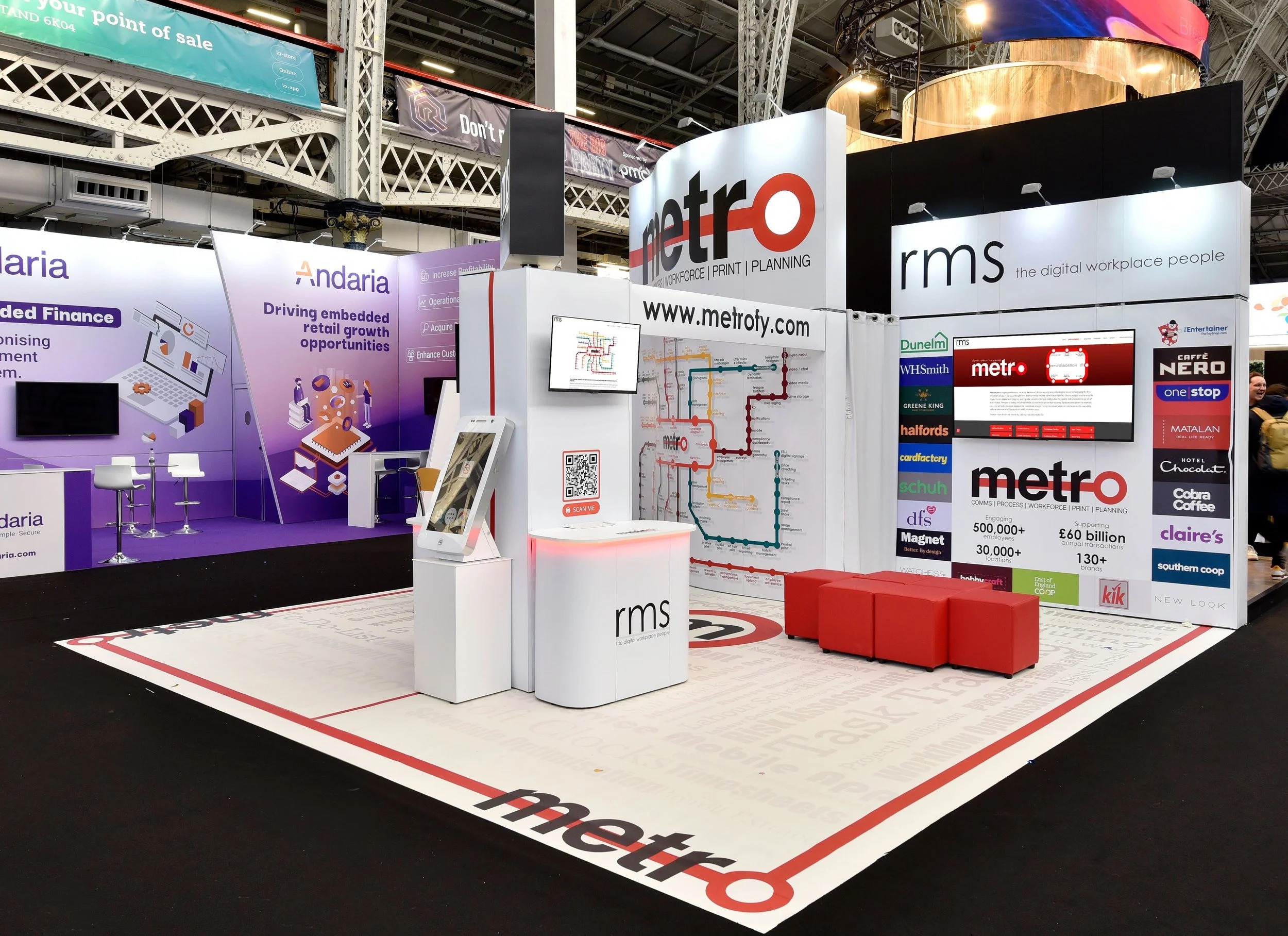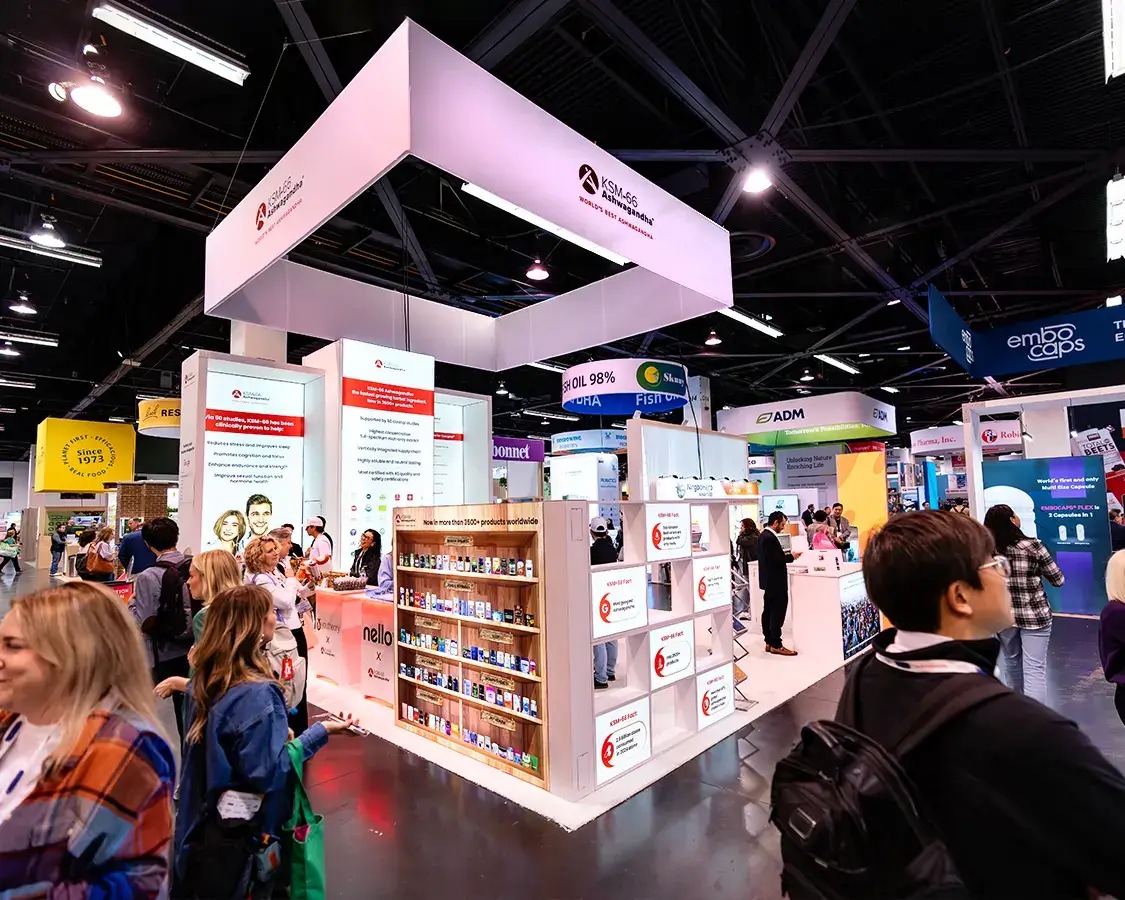
A booth running product demos or looping video content at a show like the Global Force Symposium typically needs a screen, a compact sound solution, and lighting sized to its own footprint, none of which draws on the venue's house production systems the way a keynote session does.
AV rental for trade shows in Huntsville covers this booth-level equipment specifically: display screens, audio that stays contained to the booth rather than bleeding into neighboring exhibits, and lighting that makes a booth's graphics and products visible under a convention hall's general overhead lighting.
What booth-level AV planning covers
- Screen size and viewing distance matched to the booth footprint
- Contained audio that does not carry into neighboring booths
- Lighting sized to make products and graphics visible
- Power and rigging needs specific to the assigned hall
Screen size should match the booth, not the room
A screen sized for a keynote stage overwhelms a standard trade show booth, while a screen too small for its viewing distance fails to draw attention from aisle traffic passing by. Booth AV planning starts with the actual footprint and expected viewing distance, choosing a screen size that reads clearly from the aisle without dominating the space or crowding out product displays and staff interaction areas.
This calculation looks different for a ten-by-ten inline booth than for a larger island space with sightlines from multiple directions.
Sound has to stay inside the booth's own footprint
Convention hall floors, including the Von Braun Center's Exhibit Hall during a major event like the Global Force Symposium, pack booths close enough together that audio bleeding from one exhibit into its neighbor becomes a real problem for both exhibitors. Directional speakers and contained audio solutions keep a booth's video or presentation sound audible to its own visitors without turning into background noise for the booth next door.
This consideration matters more at a busy show floor than it would at a smaller, less densely packed event.
- Choose directional or contained audio over open speakers on a packed floor
- Size screens to the booth's actual viewing distance, not the largest available option
- Confirm power availability with the hall before committing to a lighting or AV plan
Lighting compensates for convention hall conditions
General overhead lighting in a large hall like the Exhibit Hall or North Hall is built to illuminate the whole floor evenly, not to make any individual booth's graphics or product displays stand out. Booth-specific lighting, whether accent lighting on a graphic panel or focused lighting on a product display, corrects for that flat overhead condition and gives a booth more visual presence without needing a larger footprint.
This is a relatively low-cost addition that consistently makes a real difference in how a booth reads from the aisle.
Power and rigging still need to be confirmed with the hall
Booth-level AV equipment, especially larger screens and lighting rigs, draws power that needs to be ordered in advance through the venue rather than assumed to be available on-site, and any overhead lighting or hanging elements need to respect the specific hall's rigging rules. Confirming these details against the Exhibit Hall or North Hall's own specifications, rather than a general assumption about convention center capability, avoids a last-minute equipment change during move-in.
This step is easy to overlook when the AV plan is finalized separately from the booth's overall floor plan, so coordinating the two together avoids the mismatch.
Frequently asked questions about AV rental for trade shows in Huntsville
How is booth-level AV different from main-stage production?
Booth AV covers screens, sound, and lighting inside an individual exhibitor's own footprint, while main-stage production covers staging and technical infrastructure for keynote sessions, and the two need separate planning.
Why does audio bleed become a problem on a busy show floor?
Booths sit close together on a packed floor, so open speakers can carry sound into a neighboring exhibit, which is why directional or contained audio solutions work better in that environment.
Does a booth need its own lighting if the hall already has overhead lighting?
Usually yes. General overhead lighting illuminates the whole floor evenly but does not make an individual booth's graphics or products stand out, so booth-specific lighting adds visual presence.
When should power needs be confirmed with the venue?
Before the show, as part of the AV plan. Power for larger screens and lighting rigs needs to be ordered in advance through the venue rather than assumed to be available on-site.