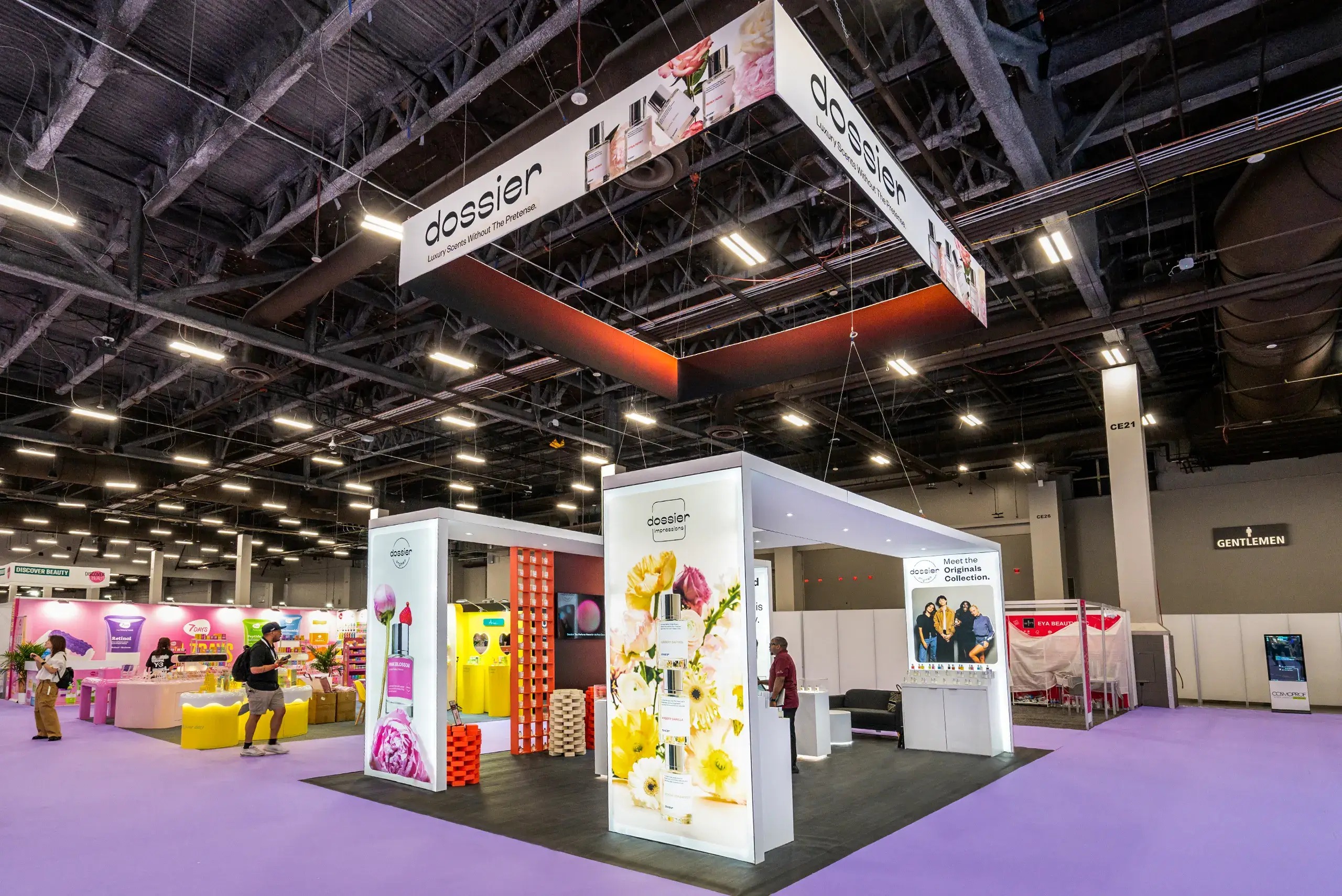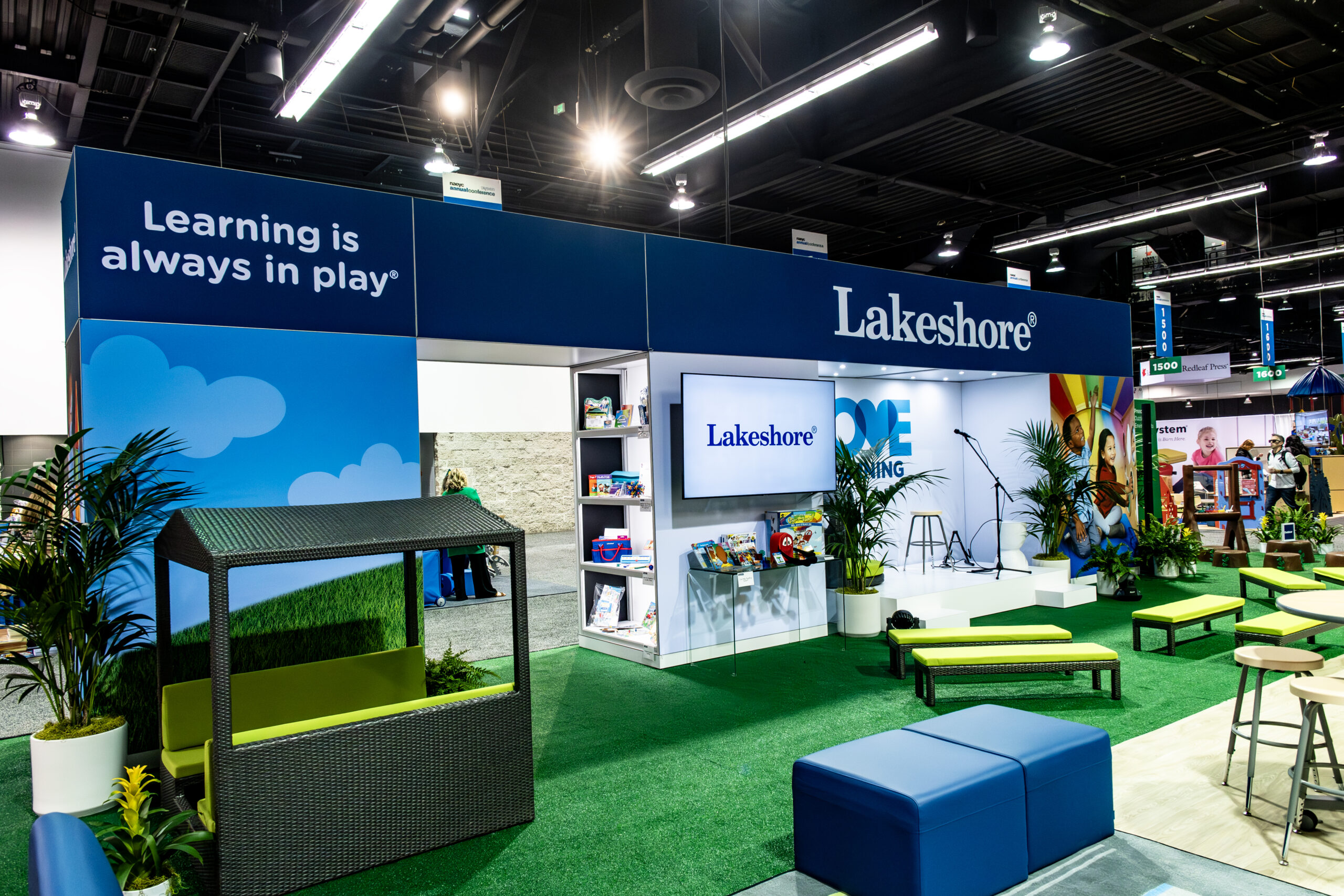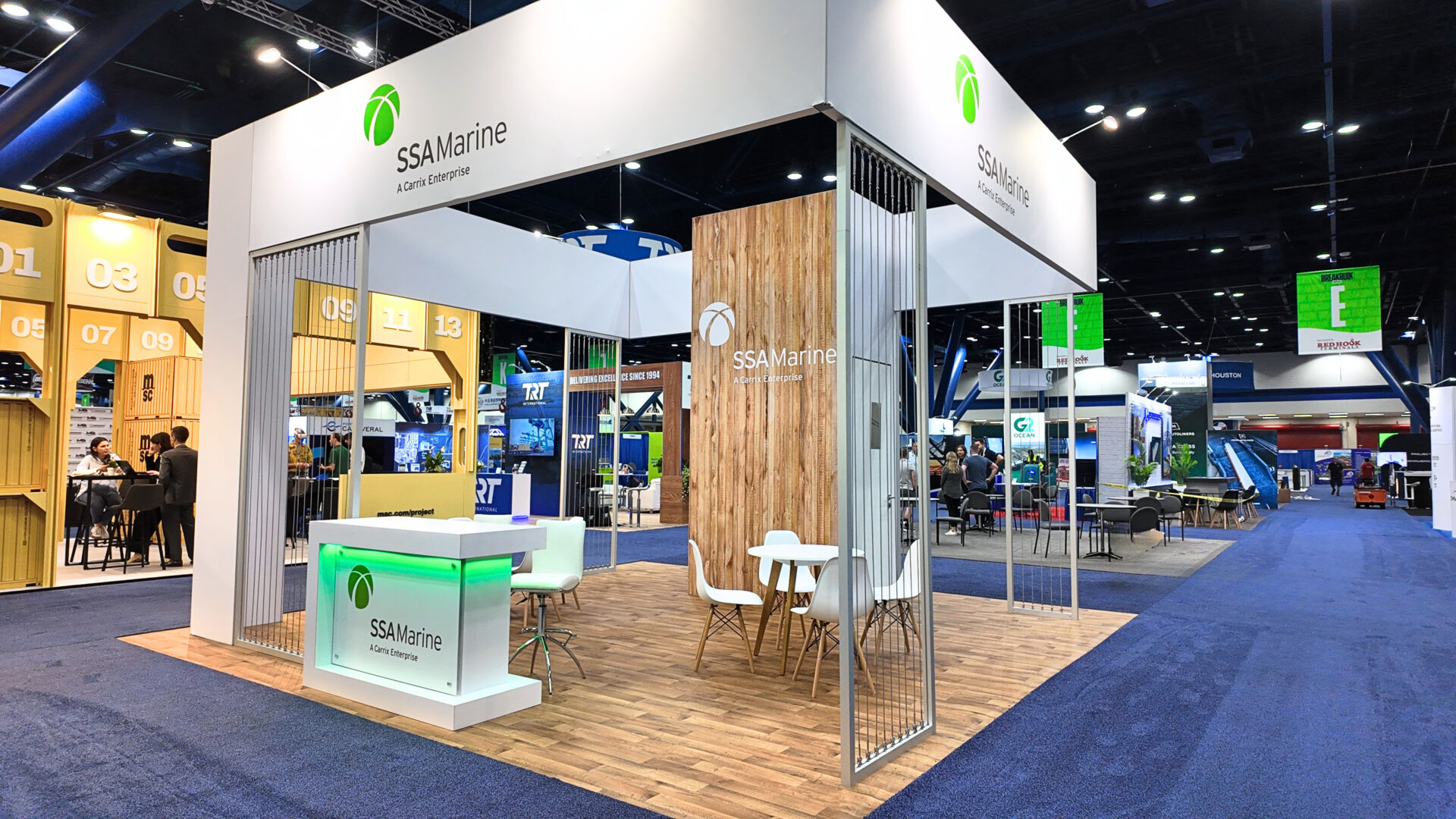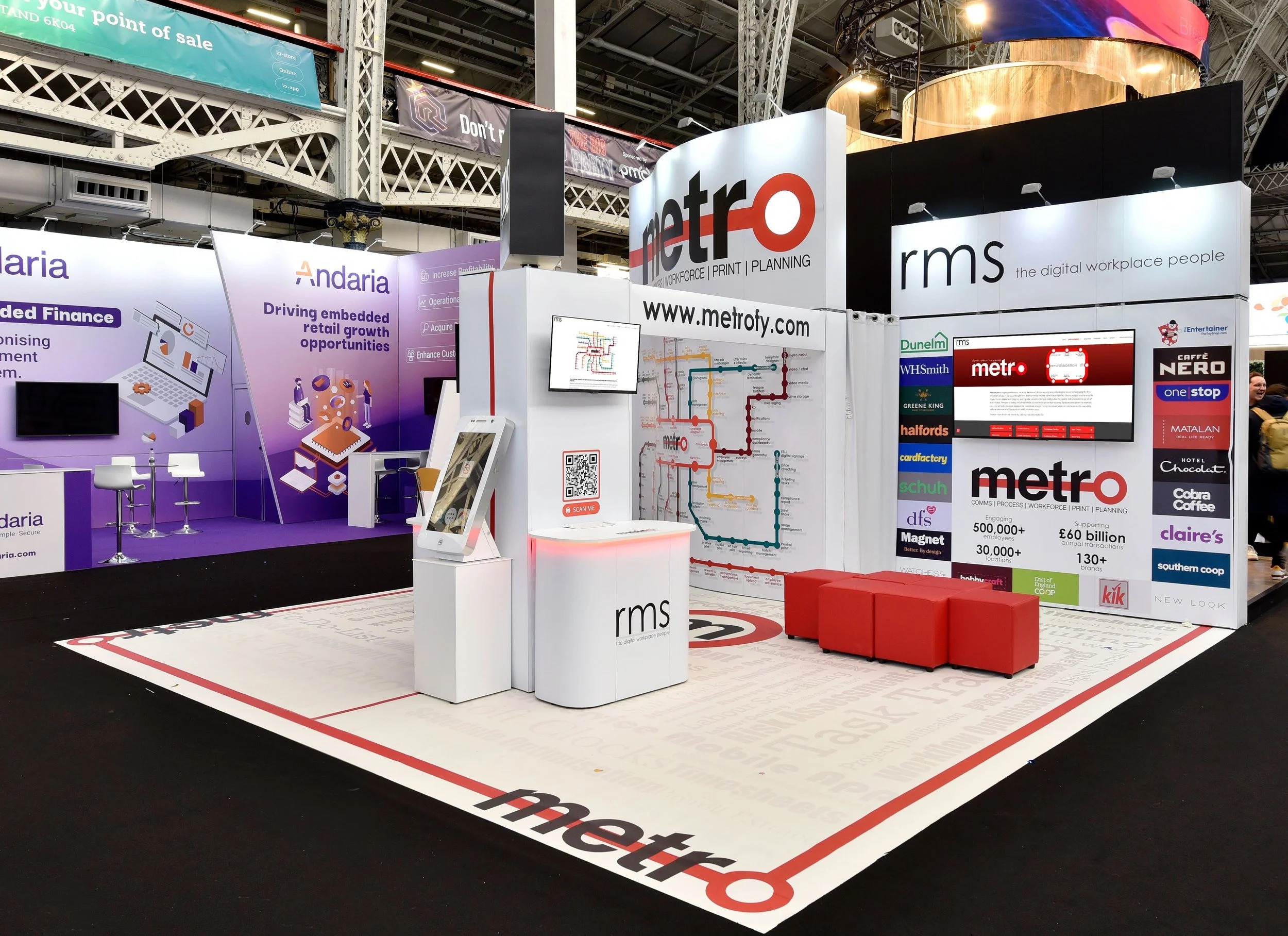
Multi-show rollout support is the logistics work of moving one exhibit program from date to date: shipping schedules, drayage windows, and the adjustments a booth needs when it moves from a local hall it was designed for into a hall with a different ceiling height, column spacing, or loading dock setup.
Huntsville exhibitors doing this regularly usually run a sequence that includes AUSA's Global Force Symposium locally and one or more national shows the same year, and the rollout plan has to account for the fact that those venues rarely match each other exactly.
What a rollout plan has to solve between shows
- Shipping windows that account for drayage at each destination
- Booth adjustments for different hall dimensions
- Staffing continuity across shows on a tight sequence
- Recovery time for damaged or worn components between dates
The Von Braun Center is usually the local anchor in the sequence
For a Huntsville-based exhibitor, the Von Braun Center's Exhibit Hall or North Hall is often the easiest stop in a multi-show sequence, since freight does not have to travel far and local staff can handle setup without a long shipping lead time. That local ease can mask how much harder the next stop on the calendar will be if it sits several states away with a tighter drayage window.
Rollout planning should treat the local show as the baseline and build extra buffer into every out-of-market date that follows it.
Different halls mean different booth math
A booth footprint that fits comfortably in one hall's column spacing can run into trouble in another hall with narrower aisles or lower rigging points. Rollout support means checking each venue's exhibitor service kit ahead of time rather than assuming the same booth plan will drop in cleanly everywhere it travels.
This matters most for taller structures or hanging signage, where a few feet of clearance difference between venues can force a last-minute redesign.
- Pull each venue's exhibitor kit before finalizing booth height and footprint
- Confirm rigging points and dock access at every stop on the sequence
- Build buffer days between shows that are shipping to different regions
Staffing has to travel with the booth
The people who know a booth's setup quirks are as important to a smooth rollout as the crates themselves, and a sequence that swaps staff between shows without a handoff usually loses time on-site relearning problems the previous team already solved. Keeping at least one consistent staff member across a multi-show run shortens setup at every stop after the first.
In a market where the same program offices and prime contractors show up at more than one show, that staffing continuity also keeps the booth conversation consistent for repeat attendees.
Damage and wear compound across a sequence
A booth component that survives one show intact can arrive at the next date with hardware loosened or graphics scuffed from transit, and a rollout plan that does not budget time for inspection and light repair between shows risks presenting a worn booth at a later, sometimes higher-stakes, date.
Building a short inspection window into the schedule after each show, before the next shipment goes out, catches most of this before it becomes visible on the next show floor.
Frequently asked questions about multi-show rollout support in Huntsville
Should the Von Braun Center show be treated the same as an out-of-market show?
Not exactly. It is usually the easiest stop in a sequence since freight and staffing stay local, but that ease can hide how much more buffer time an out-of-market date on the same calendar will need.
Why does hall size matter for a traveling booth?
Column spacing, ceiling height, and rigging points differ by venue, so a booth designed for one hall can need adjustment before it fits cleanly into another one on the same show sequence.
Does staffing need to stay consistent across a multi-show run?
It helps. Staff who already know a booth's setup quirks shorten move-in time at later stops, and consistent staff keep booth conversations aligned for attendees who see the company at more than one show.
How much buffer time should be built between shows?
Enough to inspect and lightly repair components after one show and before the next shipment goes out, especially between shows in different regions.
What happens if a shipment misses its connection between two shows on the same sequence?
The next stop's setup crew needs an alternate plan ready, whether that means a scaled-down temporary booth or borrowed local signage, so the exhibit still has a presence on the floor while the original freight catches up.