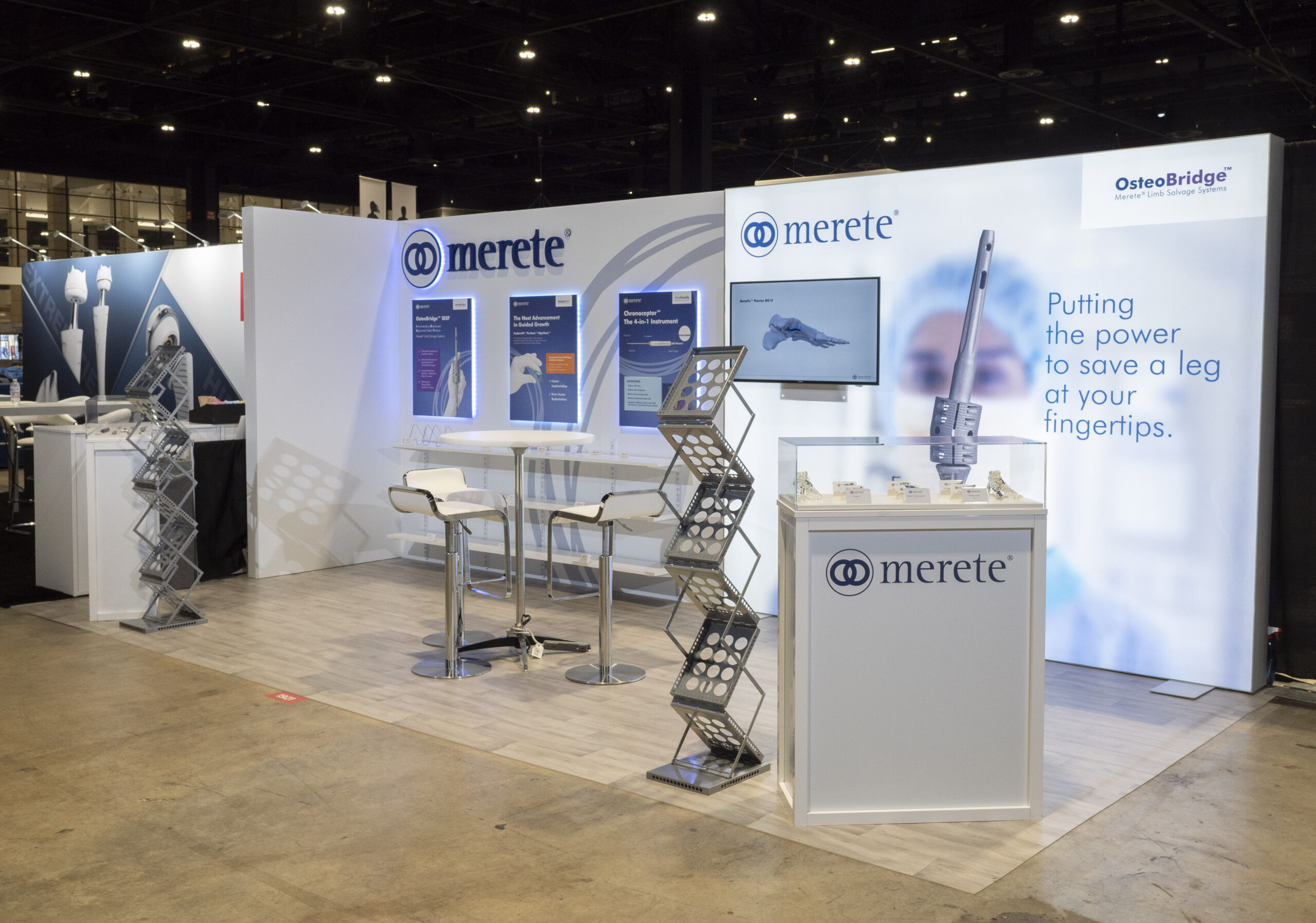
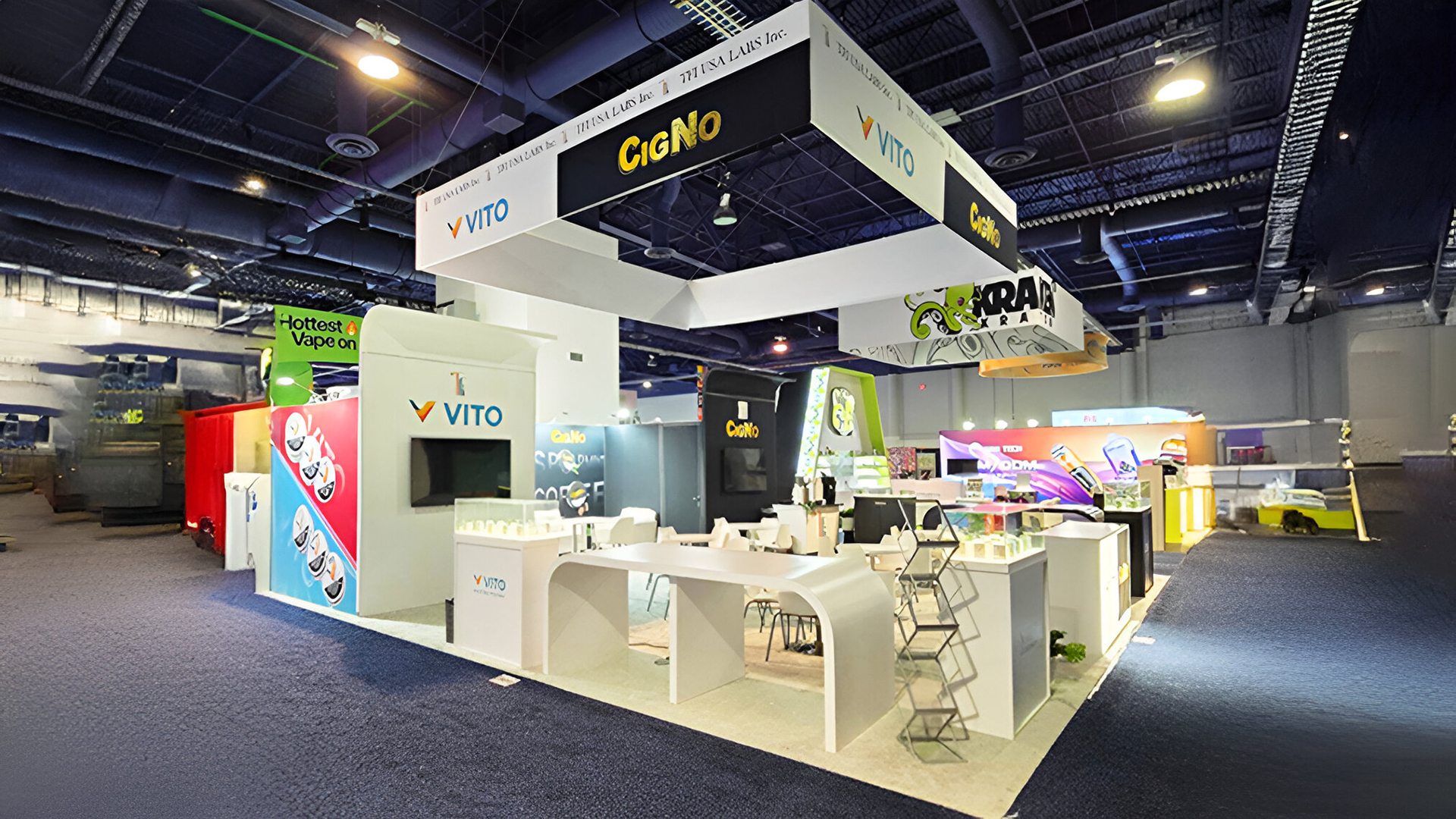
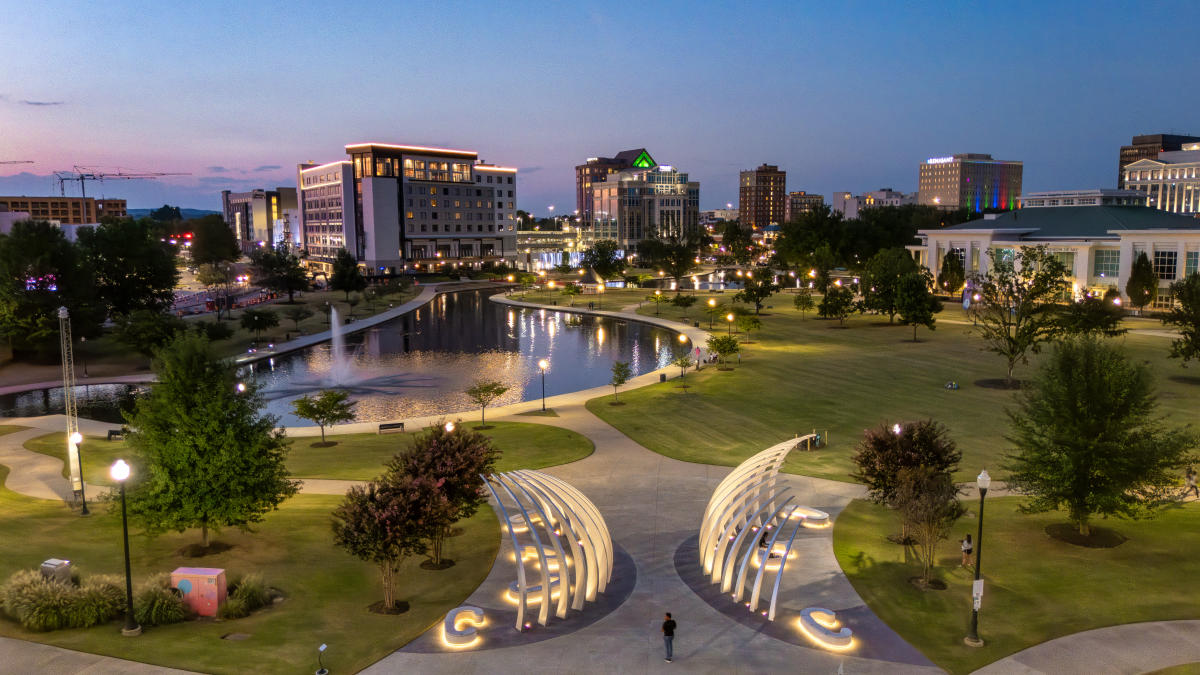
Huntsville's conference audience skews toward engineers, program officers, and researchers tied to Redstone Arsenal and Cummings Research Park, and that crowd moves through a floor with a purpose rather than browsing.
An exhibit built for a casual consumer show will underperform here; badges and business cards move faster when a booth respects that the visitor has a narrow break window before the next session starts.
What the conference floor rewards
- A booth message readable in a five-second walk-by
- Layout that survives a break-time crowd surge
- Lead capture that does not slow the line
- A teardown plan that respects the dock schedule
The floor pattern here
Break-time surges at a Von Braun Center conference tend to hit in short, dense waves rather than a steady trickle, since attendees are all released from the general session at once.
A booth built for a slow, steady crowd can get overwhelmed in the first five minutes of a break and then sit quiet for the rest of the slot.
Lunch breaks behave differently again, spreading traffic across a longer window as attendees filter out in smaller groups, which favors a staffing plan that can flex between a short surge and a longer, thinner stretch.
Footprint tied to attendee flow
Corner and end-cap booths on the main path from the ballroom to the coffee station see more of that surge than a booth tucked mid-aisle, which should factor into both the footprint chosen and the staffing plan.
A ten-by-ten booth with two staffers can move a break-time crowd faster than a twenty-foot island with one person trying to cover every side.
Exhibitors assigned a spot near the back of the hall, away from the main flow, often do better by leaning into a strong tabletop demo than by trying to compete on foot traffic alone.
- Corner and end-cap: expect surge traffic, staff for volume
- Mid-aisle: steadier flow, better for longer conversations
- Near coffee or food stations: highest walk-by count
Badge scanning without a bottleneck
A scanner that requires a slow manual entry turns a five-second interaction into a thirty-second one, and that difference compounds fast during a fifteen-minute break.
Testing the scanning hardware against the venue's badge format before the show, not on the first morning of the event, avoids losing the first surge to a technical fix.
Aisle signage and wayfinding
Booth number signage that is legible from across the hall, and not only up close, helps attendees find a specific exhibitor between sessions when they have already decided who they want to visit.
A booth that relies only on a small tabletop sign is easy to miss in a hall with dozens of similar-sized spaces competing for the same eye line.
Teardown against the dock schedule
Conference exhibit halls at the Von Braun Center often share the loading dock with catering and general-session AV, so a teardown plan set against the actual dock schedule avoids a long wait for a truck bay.
Packing crates and cases in the order they will be loaded, rather than the order they come apart, shaves real time off a closeout that is already competing with every other exhibitor's freight.
A closeout checklist walked the morning of teardown, covering crate labels, cable coils, and any rented items due back to a vendor, keeps the last hour from turning into a search for missing pieces.
Frequently asked questions about conference exhibits
How does a conference audience behave differently on the floor?
Break-time surges arrive in short, dense waves right after the general session lets out, rather than as a steady trickle across the day.
Does booth location matter for traffic volume?
Yes; corner, end-cap, and near-coffee locations see the highest walk-by count, while mid-aisle spots tend to support longer, steadier conversations.
What slows down lead capture the most?
Scanning hardware that has not been tested against the venue's actual badge format before the show, which turns a quick scan into a manual entry during the busiest minutes.
How visible does booth signage need to be?
Legible from across the hall and not only up close, since many attendees are looking for a specific exhibitor rather than browsing.
What helps teardown go faster at the Von Braun Center?
Packing in the order freight will be loaded and confirming the dock schedule in advance, since the dock is shared with catering and general-session AV.
How early should badge scanning hardware be tested?
Before the show opens, against a sample of the venue's actual badge format, rather than assuming a scanner that worked at a prior event will read a new badge design.