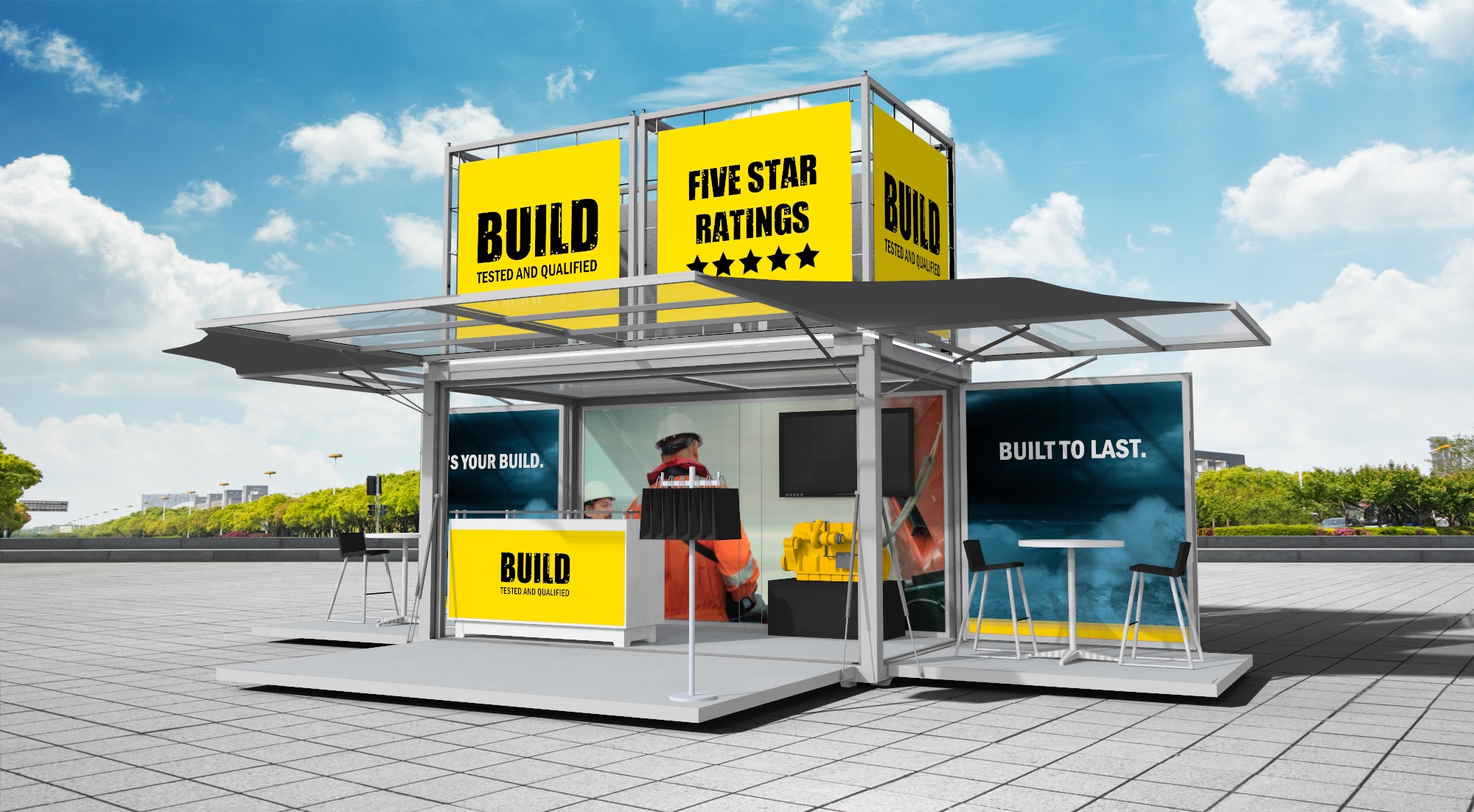
Outdoor components at Huntsville events usually exist because an indoor room could not hold the full program, whether that is an evening reception, a demo requiring open space, or overflow from a packed exhibit hall.
Whatever the reason, the structure has to stand up to Alabama's summer humidity, sudden afternoon storms, and ground conditions that vary a lot between a paved downtown plaza and open turf near the rocket center grounds.
What decides the structure
- Ground type: pavement, turf, or gravel changes the anchoring plan
- Wind rating against actual North Alabama storm patterns
- Independent power away from any building circuit
- Permit and site coordination with the venue or city
Choosing a structure for the weather
A frame tent rated for moderate wind is usually enough for a calm evening reception, but anything running through an afternoon window during Alabama's storm season needs a higher wind rating and a clear plan for when to strike it.
Sidewalls that can go up quickly matter as much as the roof structure itself, since a sudden shift in weather often brings wind and rain together rather than one first.
A structure sized generously for the guest count also gives a crew more room to work around support poles when sidewalls need to go up in a hurry ahead of a moving storm cell.
Anchoring and ground conditions
Staking works on open turf near a site like the rocket center grounds but is not an option on a paved downtown plaza, where ballast becomes the only anchoring method available.
Ground conditions should be confirmed with a site visit rather than assumed from a satellite image, since a paved area can still have utility lines or irrigation just beneath the surface that limit where anchors can go.
- Open turf: stakes generally allowed, confirm depth limits
- Paved plaza: ballast only, no ground penetration
- Either surface: verify utility lines before finalizing anchor points
Power away from the building
A generator or a distro plan run from an approved power source, rather than a cable stretched from the building's house circuits, keeps an outdoor event from depending on a connection that was never designed for it.
Lighting, any powered demo equipment, and even simple phone charging all add up faster outdoors than most first estimates account for.
Permits and site coordination downtown
A structure placed on city property near the civic core, close to Big Spring International Park or a downtown street, usually needs a permit that covers the footprint, the dates, and often the hours of operation.
Coordinating that permit early, alongside the venue's own outdoor event approval if the space is technically part of the Von Braun Center grounds, avoids a conflict discovered on setup day.
Breakdown around forecasted storms
A strike plan built before the event, not improvised when a storm warning appears, is what actually protects a structure and the equipment inside it.
Crews who know in advance what gets struck first, what gets weighted down, and what simply gets covered can move fast enough to beat a fast-moving Alabama storm cell.
A single point of contact checking the forecast through the event window, rather than everyone assuming someone else is watching it, keeps the decision to strike early from getting made too late.
Frequently asked questions about outdoor event structures
What wind rating does an outdoor structure need in Huntsville?
It depends on the season and duration, but anything running through an afternoon during storm season should carry a higher rating than a calm evening reception would need.
Can structures be staked into the ground downtown?
Usually not on a paved plaza; ballast is the anchoring method there, while staking may be possible on open turf sites pending a check for utility lines.
Does an outdoor event need its own power source?
Yes, typically a generator or an approved distro plan, since running a cable from a building's house circuits is not a reliable long-term power source outdoors.
What permits are needed for an outdoor structure downtown?
A city permit covering footprint, dates, and hours, plus the venue's own outdoor event approval if the space is part of the Von Braun Center grounds.
How should a crew handle a forecasted storm?
With a strike plan set before the event, so everyone knows in advance what gets struck first, what gets weighted down, and what gets covered.
Who should monitor the forecast during the event window?
One assigned point of contact, rather than assuming it is covered informally, so the call to strike early is made in time rather than too late.