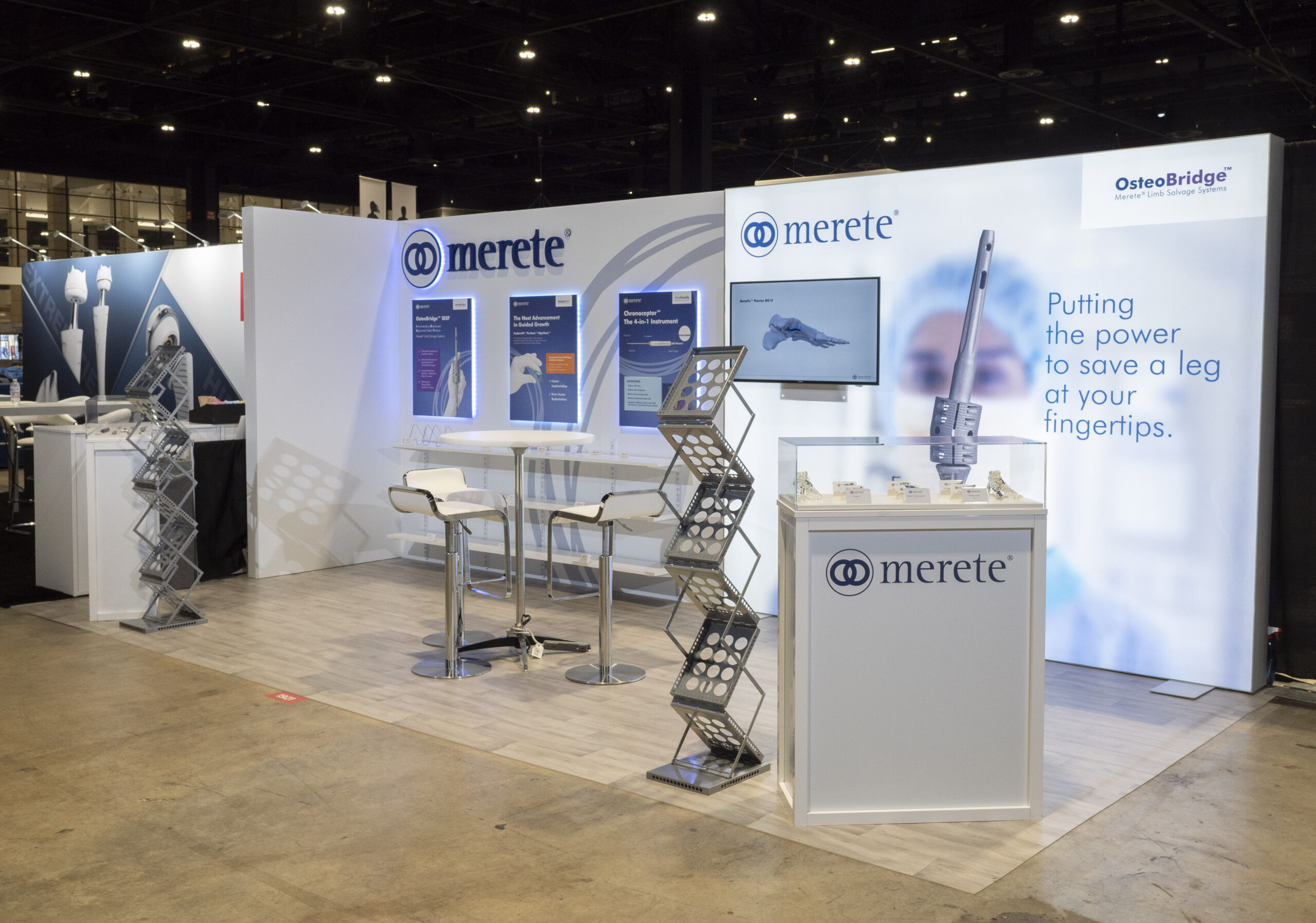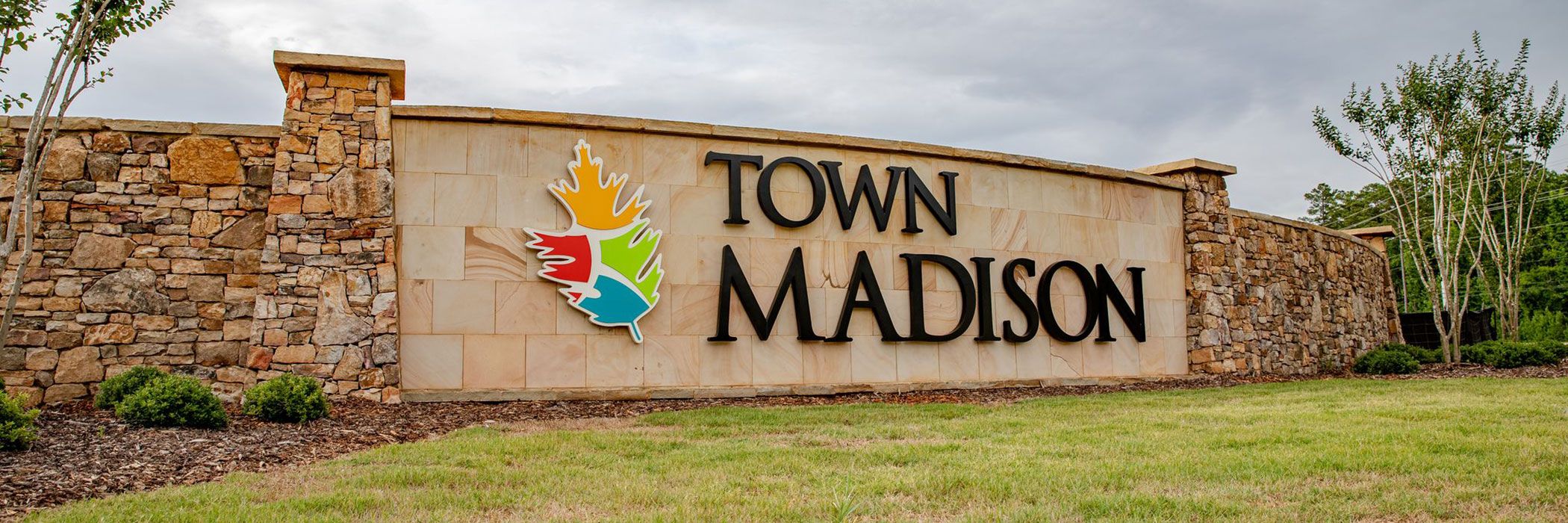
Outdoor pop-ups during a downtown Huntsville show week reach people who never bought a badge: office workers on lunch, hotel guests, and residents cutting through the civic core on their way somewhere else.
That crowd will not seek out a structure the way a paid attendee inside the hall might, so a pop-up has to earn a stop from someone who was not planning to give it one.
What a public-facing pop-up has to solve
- A footprint that survives real foot traffic, not a showroom crowd
- Weather protection for Alabama summer heat and sudden storms
- Materials and structure that pack down fast
- A staff script built for walk-up strangers, not warm leads
Picking a footprint for foot traffic
A structure placed along a sidewalk or plaza edge needs open sightlines from a distance, since passersby decide whether to approach well before they reach the entrance.
Blocking too much of the walking path with structure or signage tends to push people around it rather than toward it.
A footprint set slightly off the main sidewalk line, rather than directly in it, gives undecided passersby room to slow down and look without feeling forced into a decision mid-stride.
Weather in North Alabama
Summer humidity and afternoon heat in Huntsville push toward shade and airflow as functional requirements rather than comfort extras, for anyone expected to stand in the structure for more than a few minutes.
A sudden storm can move in with little warning, so a breakdown plan that gets the structure secured or struck quickly matters as much as the initial setup.
Cooler-weather show weeks bring a different problem, since a structure with no wind break can feel worse than standing outside unprotected, so panel or wall options should be part of the same conversation as shade.
- Shade and airflow for extended standing time
- Ballast and anchoring rated for wind gusts
- A fast strike plan for sudden weather changes
Materials that pack down fast
A downtown pop-up often has a shorter load-in and load-out window than an indoor booth, since street or sidewalk access is usually more restricted than a venue dock.
Modular panels and a frame that breaks down without specialty tools keep the crew's footprint on the sidewalk short, which matters when a city permit limits the hours the space can be occupied.
Cases sized to fit through a standard door or into a compact vehicle also matter more here than at an indoor show, since parking near a downtown block often means a longer carry from the truck.
Staff scripts for walk-up crowds
A stranger walking by has not opted into a sales conversation the way a badge-holder inside the hall has, so an opening line rooted in curiosity or a quick interaction works better than a pitch.
Staff who can disengage gracefully after a short interaction keep the flow moving instead of trapping people who were only mildly curious.
Photo moments and capture
A simple, well-lit spot built for a phone photo often does more for reach than an elaborate structure, since attendees share what looks good in a quick shot on their own.
Placing that spot where the downtown skyline or a recognizable Huntsville landmark sits in the background gives the photo local context without extra design work.
A short line of people waiting to take that photo is itself a form of foot-traffic bait, drawing more passersby toward the structure than a sign ever would on its own.
Frequently asked questions about experiential pop-up environments
How is a pop-up crowd different from an exhibit hall crowd?
Passersby downtown have not opted into a sales conversation, so the structure and staff script have to earn a stop rather than assume interest.
What weather factors matter most for a Huntsville pop-up?
Summer heat and humidity call for shade and airflow, and a fast strike plan is needed for sudden storms that can move in with little warning.
Why does load-in time matter more for a downtown pop-up?
Sidewalk and street access is usually more limited than a venue dock, and city permits often cap the hours the space can be occupied.
Does a pop-up need a photo-friendly spot?
It helps; a simple spot with local context in the background tends to get shared more than an elaborate structure without one.
How should staff handle a walk-up stranger?
With a short, low-pressure interaction and a graceful way to disengage, since a downtown crowd did not choose to attend a sales pitch.
Does cooler show-week weather change the structure choice?
Yes; a fall or winter pop-up needs a wind break option alongside shade, since an open structure with no side protection can feel worse than standing outside.