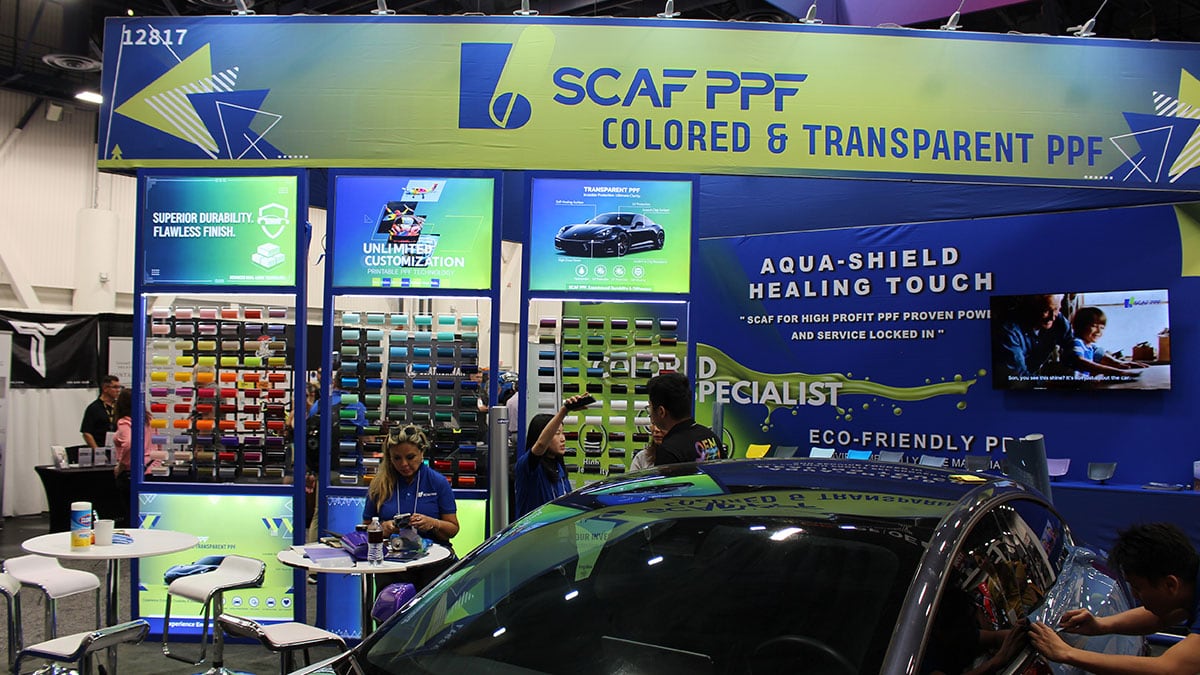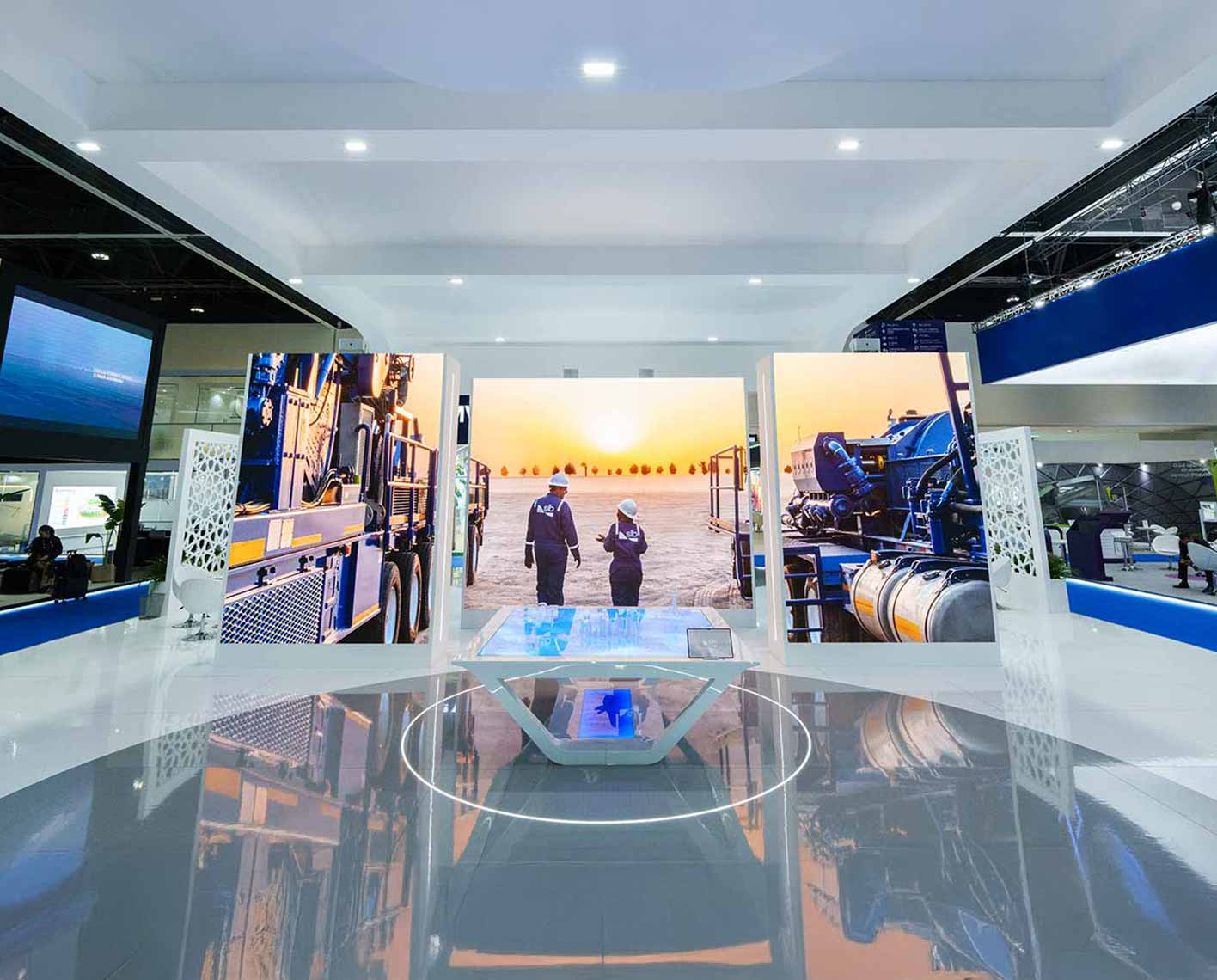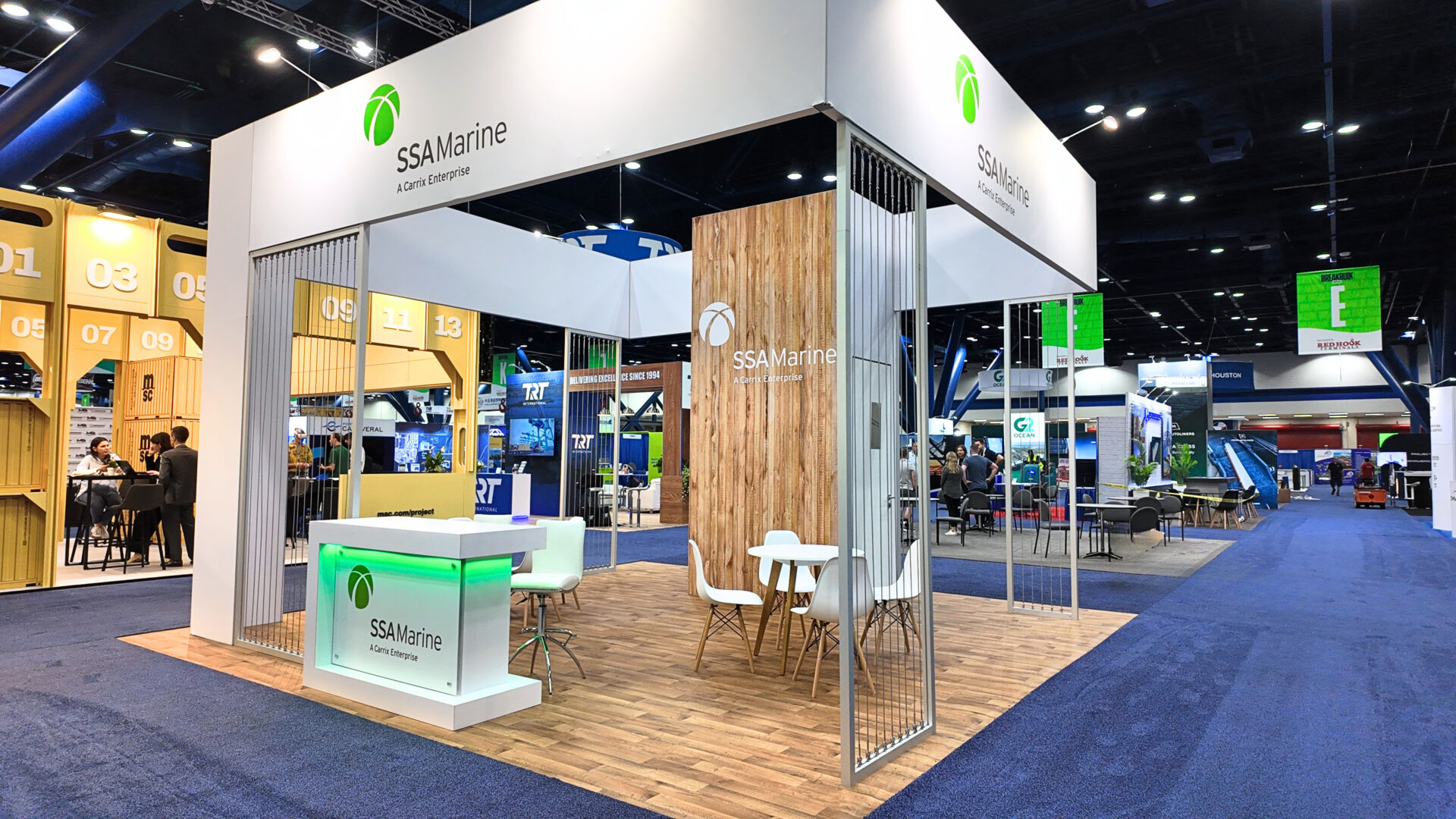
A large share of Huntsville's trade show traffic comes from companies with a presence at Redstone Arsenal or Cummings Research Park, and those exhibitors frequently run booth graphics through an internal communications or legal review before anything goes to print.
That review step is not unique to this market, but it shows up here more often than in a purely consumer trade-show town, and it changes how a graphics production timeline should be built.
What affects graphics production timing here
- Internal review cycles before final files are released
- Install crew access windows on the Exhibit Hall floor
- Material durability for repeat, multi-show use
- Proofing turnaround against a fixed move-in date
Building in review time alongside print time
Print production itself can run fast once files are final, but the file is often the bottleneck for an exhibitor whose graphics need sign-off from a communications team, a program office, or outside counsel.
A production schedule that only accounts for printing and installation, without a buffer for that approval step, tends to compress into a rush job right before move-in.
Keeping a single point of contact for graphics approval, rather than routing files through several reviewers at once, tends to shorten the review cycle without sacrificing the sign-off a defense-adjacent exhibitor's communications team requires.
Producing for a technical audience
Booth graphics for an aerospace or defense exhibitor often carry precise technical language, program names, or imagery that has to match an approved version exactly, which leaves little room for a printer's own proofreading pass to catch changes.
Locking a single source file before it goes to production avoids graphics that look right on-screen but do not match what legal or communications approved.
None of this adds meaningful cost when it is planned from the start; it mostly adds a short conversation with the general contractor and the client's reviewer early enough that neither one becomes the surprise that delays a print run.
- Confirm the final approved file before scheduling print
- Build proof review into the schedule, not around it
- Flag any program name or logo that requires separate sign-off
Install access on the show floor
Large-format graphics installs need dedicated floor access before other exhibitors arrive, and that window on the Exhibit Hall floor is set by the general contractor's move-in schedule, not by the graphics vendor.
Booking install crews against the confirmed move-in window, rather than an assumed one, avoids a crew standing by while the floor is still being cleared.
Making graphics work for more than one show
Exhibitors that return to Huntsville for an annual conference or use the same booth kit at other Southeast shows benefit from graphics printed on material that survives repeated handling, not only a single install.
That durability choice costs more up front but avoids a full graphics reprint before the next show date.
Staying clear of the venue's own wayfinding
The general contractor typically supplies its own directional and booth-number signage across the Exhibit Hall floor, and exhibitor graphics should be planned to complement that system rather than duplicate or visually compete with it.
Confirming what wayfinding the venue or general contractor already provides, before designing a separate directional graphic, avoids paying for a sign that repeats information attendees can already find elsewhere on the floor.
Requesting the general contractor's wayfinding plan during the same call that confirms move-in access saves a second round of coordination later, since both questions usually get answered by the same show manager.
Frequently asked questions about exhibit graphics production in Huntsville
How much lead time should an internal review add to the schedule?
It varies by exhibitor, but any graphics package tied to a program name, logo, or technical claim should assume a review pass beyond normal print production time.
Can graphics files be updated after they are sent to print?
Only before the print run starts; once a job is on press, a change usually means a reprint, which is why locking a single approved file matters.
What material holds up best for a graphics kit used at multiple shows?
Rigid or reinforced substrates generally survive repeated handling better than lightweight fabric or paper-backed materials, though the right choice depends on the booth's structure.
When can a graphics install crew access the Exhibit Hall floor?
During the move-in window set by the show's general contractor, which should be confirmed directly rather than assumed from a prior event's schedule.
Does exhibit graphics production include hall wayfinding signage?
Usually not; the general contractor typically supplies directional and booth-number signage for the floor, so exhibitor graphics should be planned to complement that system rather than duplicate it.