HudsonAlpha's campus, along with genomics and diagnostics companies that have located near it, generates a steady flow of scientific symposiums, investor briefings, and continuing-education sessions rather than large convention-floor exhibitions. Huntsville Hospital's medical district, closer to downtown, adds a second cluster of clinical and pharmaceutical meetings with its own audience of physicians and administrators.
Because the audience for biotech and life sciences event services skews toward researchers, clinicians, and specialty vendors, the room format matters more here than booth square footage does.
What separates a biotech meeting from a trade show floor
- Room size matched to a scientific or clinical audience, not a mass exhibit hall
- Data and IP sensitivity around research presentations
- Continuing-education credit logistics for clinical attendees
- Proximity to HudsonAlpha and the medical district for site visits
HudsonAlpha and Cummings Research Park set the scientific tone
HudsonAlpha Institute for Biotechnology sits inside Cummings Research Park, one of the largest research parks in the country, and its genomics work has pulled diagnostics and life sciences companies into the same corridor. Meetings tied to this cluster tend to draw researchers and technical staff who expect data-heavy presentations rather than a walk-the-floor pitch.
Biotech and life sciences event services in Huntsville has to account for that expectation from the first agenda draft.
Huntsville Hospital's medical district adds a clinical audience
The medical district near downtown, centered on Huntsville Hospital, brings physicians, nurses, and hospital administrators into the mix for pharmaceutical and device-related meetings. That audience often needs continuing-education credit tracked alongside attendance, which changes registration and sign-in requirements compared to a standard trade show badge scan.
Coordinating between a HudsonAlpha-adjacent research meeting and a hospital-adjacent clinical meeting in the same week means running two different attendee experiences under one plan.
- Confirm continuing-education credit requirements before setting the agenda
- Separate research-audience sessions from clinical-audience sessions where the content differs
- Keep proprietary research data handling consistent with presenter expectations
Venue size should match the format, not the ambition
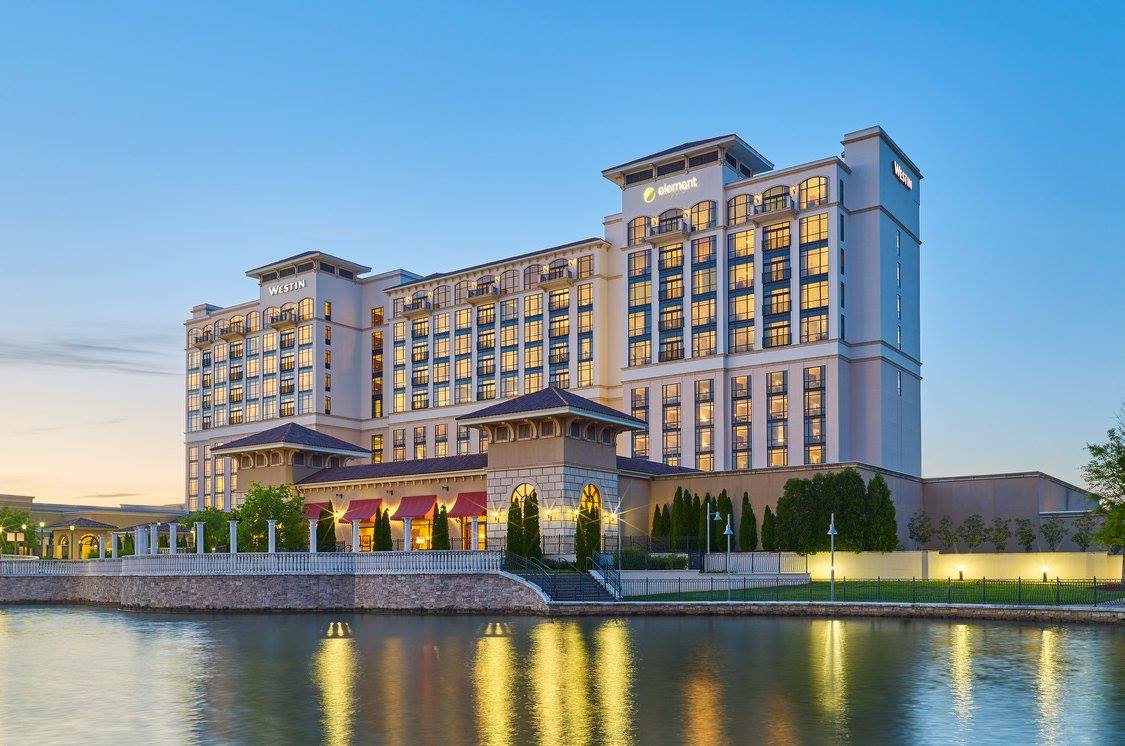
A genomics symposium centered on a keynote and a handful of breakout sessions rarely needs Exhibit Hall square footage. Hotel ballrooms near Bridge Street Town Centre and dedicated event spaces like the Jackson Center handle a 100 to 400 person life sciences meeting more efficiently than a full convention floor, and the smaller footprint usually lowers cost without weakening the program.
Reserving convention center space for a meeting that only fills a fraction of it tends to hurt attendee experience by making the room feel empty.
Investor and grant-cycle timing affects turnout
Biotech meetings often cluster around funding cycles and academic calendars tied to UAH and HudsonAlpha, which means turnout can shift more with grant deadlines and publication timing than with the broader convention calendar that drives Huntsville's defense-heavy trade show weeks.
Building the schedule with that rhythm in mind, rather than defaulting to the same weeks used for larger industry shows, tends to protect attendance.
Proximity supports site visits and lab tours
Because HudsonAlpha's campus and Huntsville Hospital's medical district sit within a short drive of most Huntsville meeting venues, agendas that pair a morning session with an afternoon lab tour or clinical site visit are easier to arrange here than in a market where the research institutions and the meeting venues sit far apart.
Building that proximity into the agenda, rather than treating the meeting and any site visit as separate trips, gives attendees a fuller picture of the local biotech cluster in a single day.
Frequently asked questions about biotech and life sciences event services in Huntsville
Does a biotech meeting in Huntsville need convention center space?
Usually not. Most life sciences meetings tied to HudsonAlpha or the medical district run smaller than a trade show floor and fit comfortably into a hotel ballroom or a dedicated event venue.
How does continuing-education credit affect registration?
Clinical attendees connected to Huntsville Hospital's medical district often need attendance tracked for continuing-education credit, which adds a sign-in step beyond a standard badge scan.
Why does HudsonAlpha matter for meeting planning?
HudsonAlpha Institute for Biotechnology anchors a genomics and diagnostics cluster inside Cummings Research Park, and meetings tied to that cluster tend to draw a research-focused audience expecting technical, data-heavy content.
Do biotech meetings follow the same calendar as Huntsville's larger trade shows?
Not always. Grant cycles, academic schedules, and investor timelines connected to HudsonAlpha and UAH can shift turnout independently of the convention calendar that drives bigger industry weeks.
Can a HudsonAlpha meeting include a lab tour on the same day?
Often yes, since the campus sits a short drive from most Huntsville meeting venues, which makes pairing a morning session with an afternoon site visit easier than in markets where the research and meeting sites are far apart.